
Search
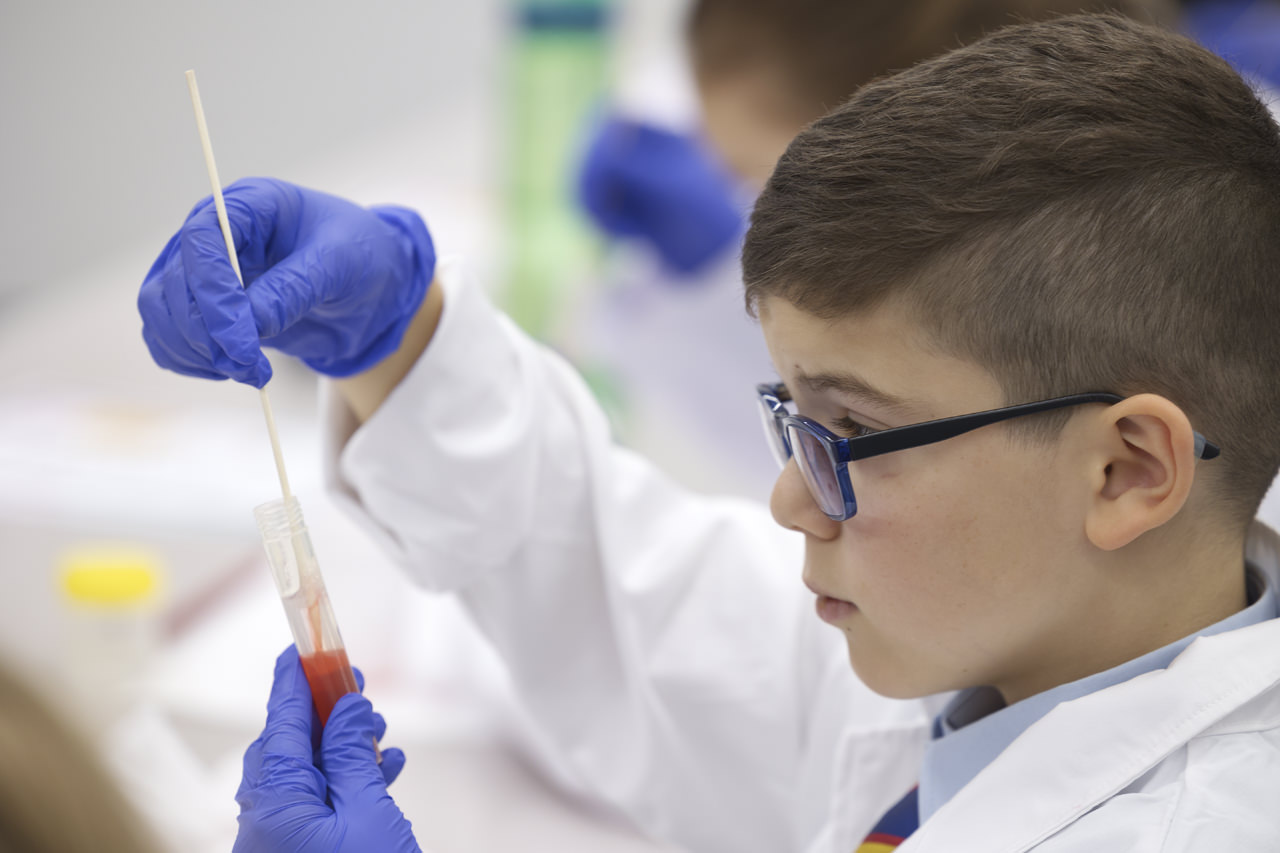
Everything you need to know to book a home schooler excursion at the The Kids Discovery Centre.
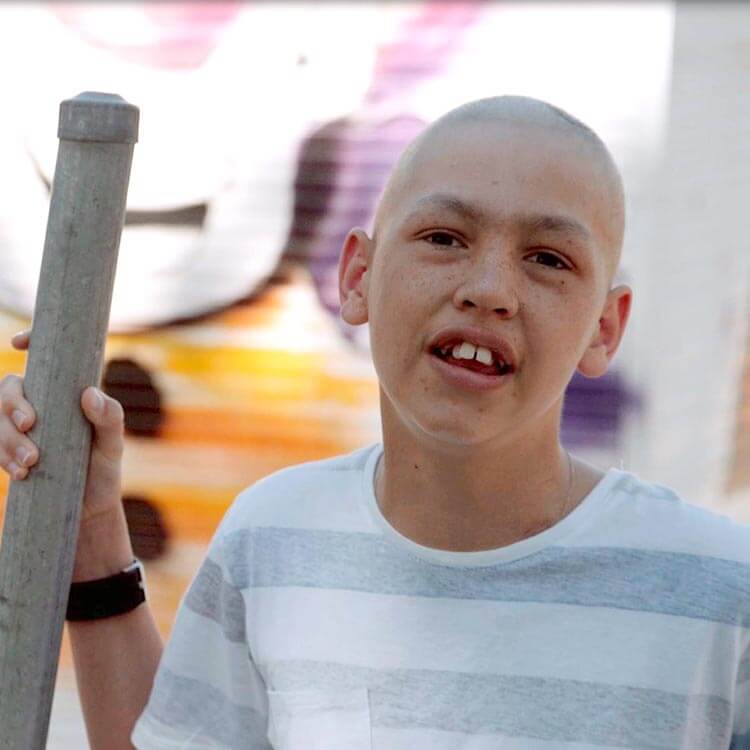
What would you discover to help a child? At The Kids, our researchers are committed to Cancer research that makes a real difference.
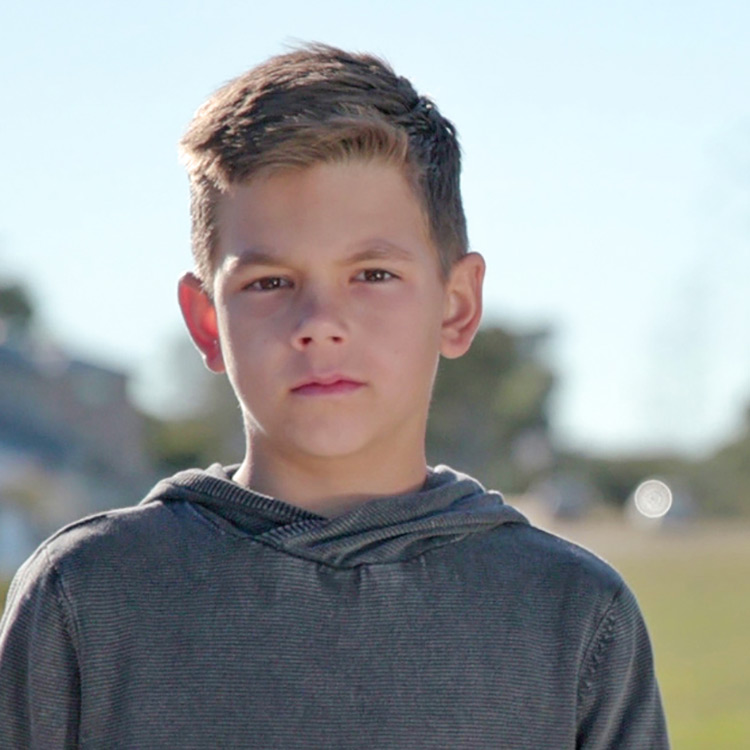
Ten-year-old Xander has been through more than most kids of his age – specifically, three-and-a-half years of gruelling chemotherapy to treat leukaemia.

Our job is to find the answers. It's helping us change kids' lives. See the "why?"s we're asking and answering.
Rheumatic heart disease, a major cause of morbidity and mortality in low- and middle-income countries, results from acute rheumatic fever (ARF), for which no diagnostic test currently exists. The ARF Diagnosis Collaborative Network (ARC Network) was established to address this gap by recruiting a rigorously phenotyped, globally representative cohort of children and adolescents with ARF and controls to support biomarker discovery.
B-cell acute lymphoblastic leukemia (B-ALL) is the most common pediatric cancer. Current therapeutic regimens have improved 5-year event-free survival rates to 90%, however clinical outcomes for high-risk subgroups, such as BCR-ABL1+ B-ALL and relapsed ALL, remain poor. In addition, 16% of newly diagnosed children with ALL present with vertebral compression fractures. Moreover, 16% of children with ALL undergoing glucocorticoid therapy also experience a high incidence of vertebral fractures, indicating that bone health may be compromised by both leukemia progression and osteotoxicity of chemotherapy.
During winter months of temperate regions, concurrent epidemics of multiple respiratory pathogens can occur, causing periods of increased clinical burden. Case time series, which are predominantly used to monitor infection levels, can exhibit substantial noise and day-of-the-week effects, limiting the visual interpretation of trends in raw data.
Tuberculosis (TB) remains a major public health challenge in Ethiopia, despite being a preventable disease. TB preventive treatment (TPT) is a critical intervention to prevent the progression from latent TB infection to active disease, particularly among household contacts of TB patients and people living with HIV due to weakened immunity. However, the initiation and completion rates of TPT at subnational and local levels have not been thoroughly investigated. This study aims to map facility-based TPT initiation and completion rates among household contacts of TB across Ethiopia.
The social determinants of health, as described by the World Health Organisation (WHO), are 'the non-medical factors' that influence health outcomes. They are the conditions in which people are born, grow, work, live, and age, and the wider set of forces and systems shaping the conditions of daily life. According to the WHO, social determinants of health account for between 30-55% of health outcomes, and children can be particularly vulnerable to their impacts.
The transition to formal schooling is a critical milestone in a child’s development. For Aboriginal children, early experiences are shaped by both cultural strengths and enduring impacts of colonisation. This study explored factors influencing Aboriginal families’ transition-to-school experiences in an urban Western Australian community.