
Search
Showing results for "grants"

News & Events
Census data reveals stark gap in asthma risk for inner and outer city kidsChildren who live in the outer suburbs of Australia’s four biggest cities are twice as likely to have asthma as those living in inner city areas, according to a new study based on health data captured in the last Australian Census.
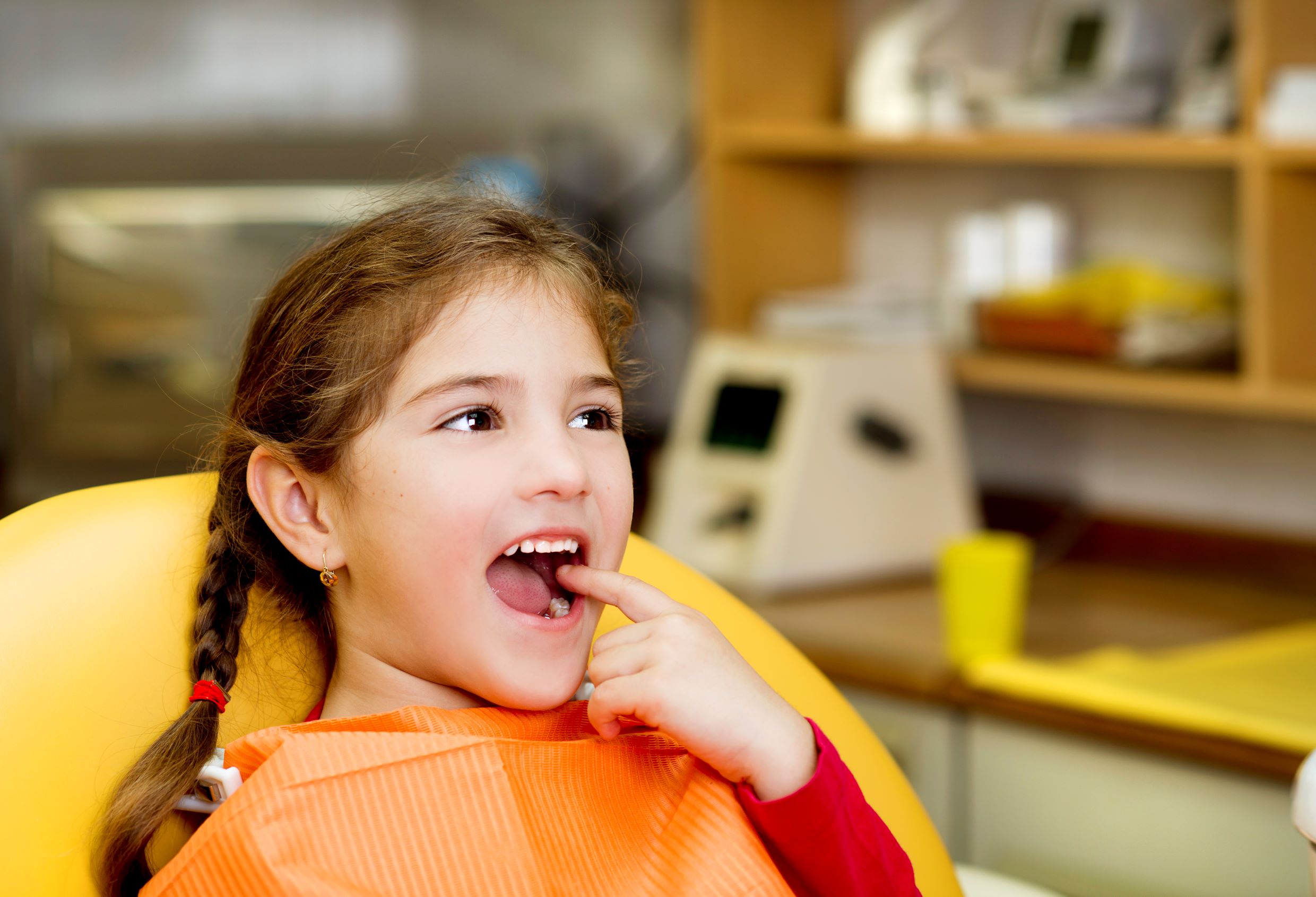
Tooth decay remains one of the most common diseases in young children. It can cause pain and infection and, if it remains untreated, can affect eating, speech, and sleep in children. Researchers are exploring the importance of early intervention and education for child dental health outcomes.
Research
A preliminary investigation of the effects of prenatal alcohol exposure on facial morphology in children with Autism Spectrum DisorderWhile early exposure to alcohol may influence the development of facial structures, it does not appear to be associated with ASD phenotypic variability
Research
Dornase alfa as an adjunct therapy to treat chronic ear infectionsChris Glenn Lea-Ann Peter Ruth Brennan-Jones Pearson Kirkham Richmond Thornton PhD BA (Education) PhD Candidate PhD MBBS MRCP(UK) FRACP PhD Head, Ear
Mailing list Discover. Prevent. Cure. Discover. Prevent. Cure. Mailing list Be Inspired About The Kids About The Kids Be Inspired Join thousands of
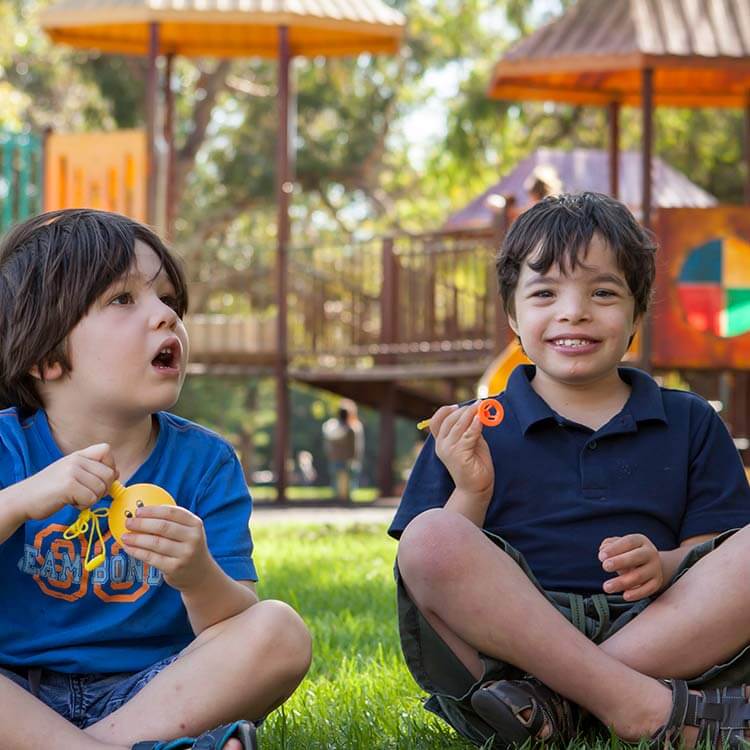
Improving the lives of children with a disability and their families sits at the core of our team.
Research
Centralising Local Aboriginal Language and Culture in Healthy Skin Books on the See Treat Prevent (SToP) Trial in the Kimberley Region of Western Australia: A Process and Impact InquiryLanguage is significant for communicating knowledge across cultures and generations and has the power to attribute meanings and alter our worldviews.
Research
A systematic review of the biological, social, and environmental determinants of intellectual disability in children and adolescentsThis systematic review aimed to identify the most important social, environmental, biological, and/or genetic risk factors for intellectual disability.
Research
‘Beyond core business’: A qualitative review of activities supporting environmental health within remote Western Australian schoolsAboriginal children and families contend with higher rates of preventable infectious diseases that can be attributed to their immediate living environment. The environments in which children spend most of their time are their homes and schools. We aimed to understand the opportunities in the school setting to support student skin health and wellbeing through environmental health activities, how these activities were completed, and the barriers to their implementation.