
Search
Showing results for "Professor"
Research
Challenges in the Management of Childhood Intracranial Germ Cell Tumors in Middle-Income Countries: A 20-Year Retrospective Review From a Single Tertiary Center in MalaysiaA higher incidence of pediatric intracranial germ cell tumors (iGCTs) in Asian countries compared with Western countries has been reported. In Malaysia, the literature regarding pediatric iGCTs have been nonexistent. The aim of this study was to review the management, survival, and long-term outcomes of pediatric iGCTs at a single tertiary center in Malaysia.
Research
Levels of pneumococcal conjugate vaccine coverage and indirect protection against invasive pneumococcal disease and pneumonia hospitalisations in Australia: An observational studyThere is limited empiric evidence on the coverage of pneumococcal conjugate vaccines (PCVs) required to generate substantial indirect protection. We investigate the association between population PCV coverage and indirect protection against invasive pneumococcal disease (IPD) and pneumonia hospitalisations among undervaccinated Australian children.
Research
What matters for people with brain cancer? Selecting clinical quality indicators for an Australian Brain Cancer RegistryThe goal of a clinical quality registry is to deliver immediate gains in survival and quality of life by delivering timely feedback to practitioners, thereby ensuring every patient receives the best existing treatment. We are developing an Australian Brain Cancer Registry (ABCR) to identify, describe, and measure the impact of the variation and gaps in brain cancer care from the time of diagnosis to the end of life.
Research
A novel transcriptional signature identifies T-cell infiltration in high-risk paediatric cancerMolecular profiling of the tumour immune microenvironment (TIME) has enabled the rational choice of immunotherapies in some adult cancers. In contrast, the TIME of paediatric cancers is relatively unexplored. We speculated that a more refined appreciation of the TIME in childhood cancers, rather than a reliance on commonly used biomarkers such as tumour mutation burden (TMB), neoantigen load and PD-L1 expression, is an essential prerequisite for improved immunotherapies in childhood solid cancers.
Research
Australian hospital paediatricians and nurses’ perspectives and practices for influenza vaccine delivery in children with medical comorbiditiesInfluenza vaccination of children with medical comorbidities is critical due their increased risks for severe influenza disease. In Australia, hospitals are an avenue for influenza vaccine delivery to children with comorbidities but are not always effectively utilised. Qualitative enquiry sought to ascertainment the barriers and enablers for influenza vaccination recommendation, delivery, and recording of these children at Australian hospitals.
Research
Normative data for multiple breath washout outcomes in school-aged Caucasian childrenThe multiple breath nitrogen washout (N2MBW) technique is increasingly used to assess the degree of ventilation inhomogeneity in school-aged children with lung disease. However, reference values for healthy children are currently not available.
Research
Phase 1 trial of an investigational Tdap booster vaccine with CpG 1018 adjuvant compared with Boostrix in healthy adults and adolescentsThis phase 1 trial assessed the safety and immunogenicity of an investigational tetanus/diphtheria/acellular pertussis vaccine combined with CpG 1018 adjuvant 1500 μg (Tdap-1018 1500 μg) or 3000 μg (Tdap-1018 3000 μg) in adults and adolescents.
Research
Breastfeeding and early child development: A prospective cohort studyBreastfeeding has been associated with multiple developmental advantages for the infant; however, there have also been a number of studies that find...
Research
Low-moderate prenatal alcohol exposure and risk to child behavioural development: a prospective cohort studyTo examine the association of fetal alcohol exposure during pregnancy with child and adolescent behavioural development.
News & Events
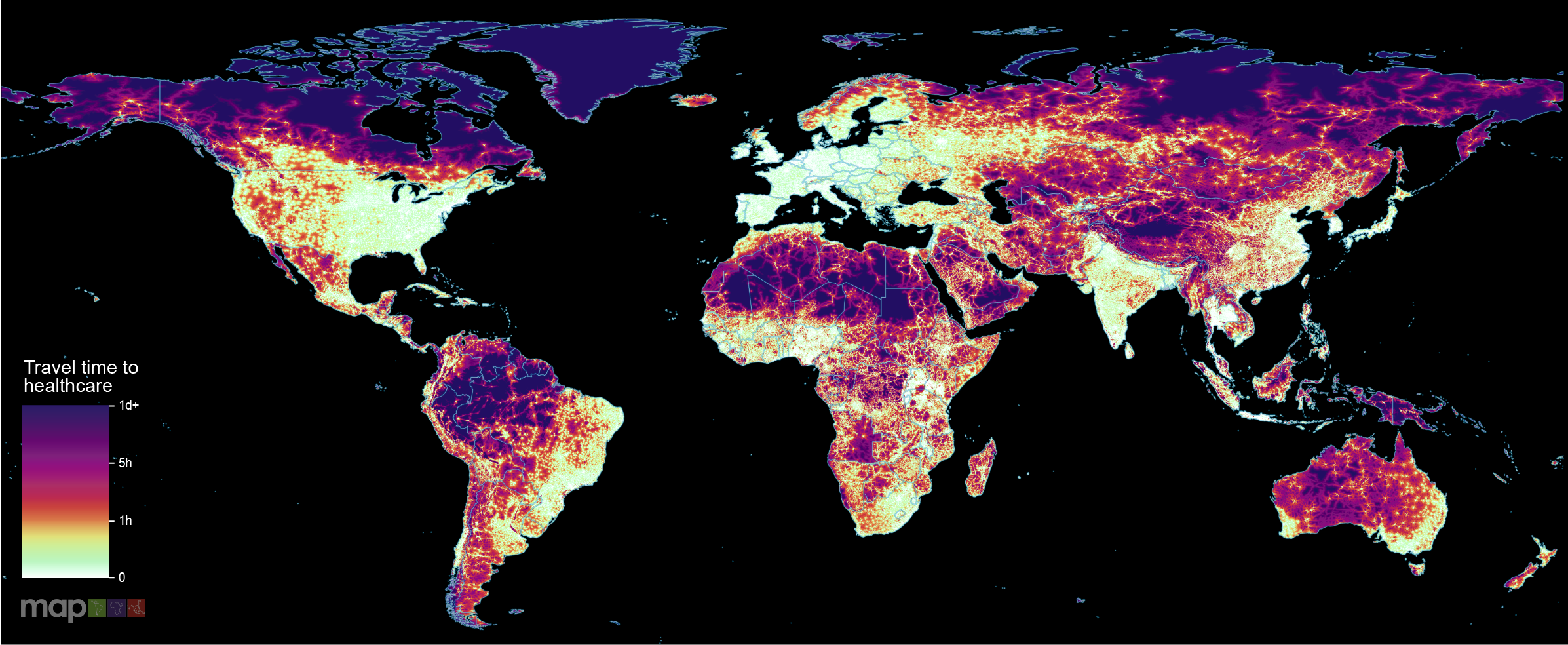
World-first maps reveal how long it takes to reach healthcare from anywhere in the globeNew research which maps the entire global population’s travel time to their nearest healthcare facility has revealed major inequalities in access to healthcare depending on whether people have access to motorised transport or not.