
Search
Showing results for "grants"
News & Events
The Kids researchers selected for prestigious leadership programTwo incredible team leaders from The Kids Research Institute Australia will join a cohort of 25 women working in STEM across Australia, to take part in the 2023 WILD program.
News & Events
Award for Sun Safe app developed with teensThe Kids Research Institute Australia researchers who worked with young people to develop an app designed to help teenagers stay safe in the sun have been named joint winners of a new award for ‘Best Practice in Children’s Consultation’.
News & Events
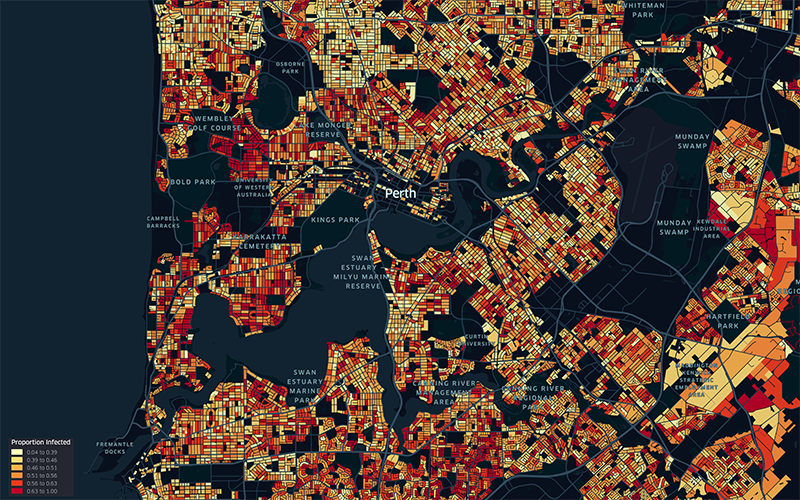
Sophisticated new modelling suggests keeping mask mandate could prevent 147,000 COVID-19 casesWA’s current Omicron COVID-19 outbreak could jump by 147,000 cases if mask mandates are abandoned before the Easter long weekend, according to sophisticated new modelling.

News & Events
The power of pooches: pre-schoolers benefit from having a family dogThe benefits of owning a dog start even earlier than previously thought show new research from The Kids Research Institute Australia.
News & Events
School readiness is more than just test resultsA new study by researchers at The Kids Research Institute Australia has found there is a bigger picture to consider when determining whether a child is ready to start school.
News & Events
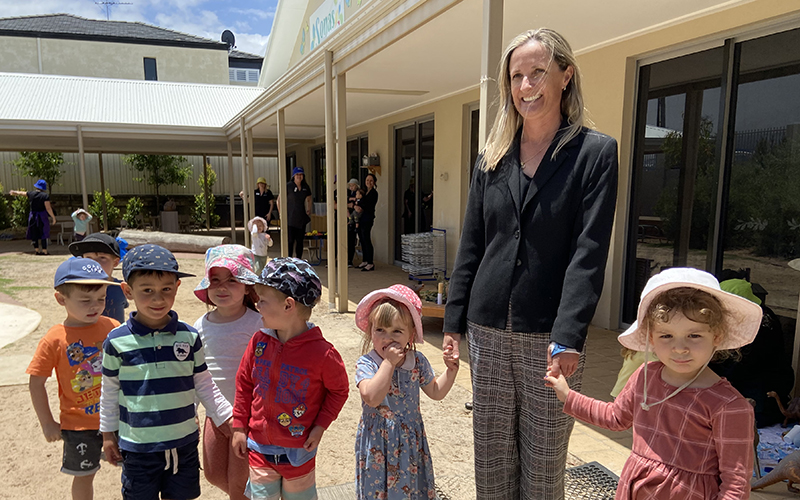
Childcare centres urged to adopt new policy to boost kids’ physical activityChildcare centres will be invited to help boost children’s physical activity levels by signing on to a new program which commits them to creating more opportunities for physical activity.
News & Events
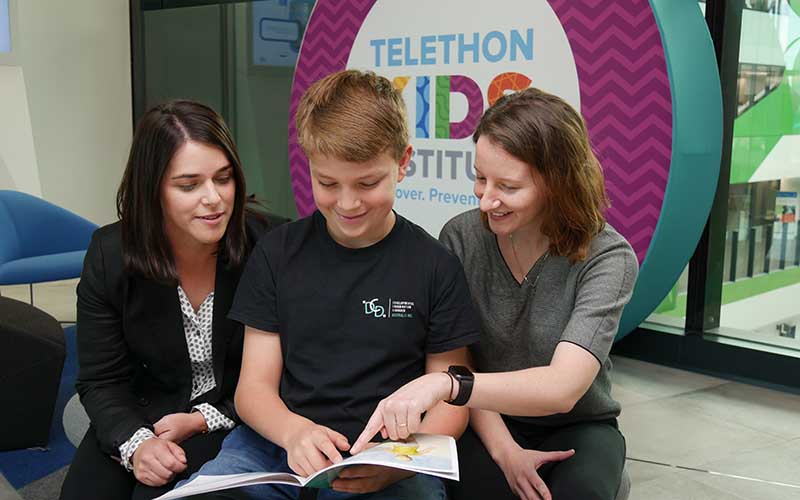
New book gives voice to kids with DCDTwo The Kids Research Institute Australia researchers behind a new book featuring the voices of Kids with DCD.
News & Events
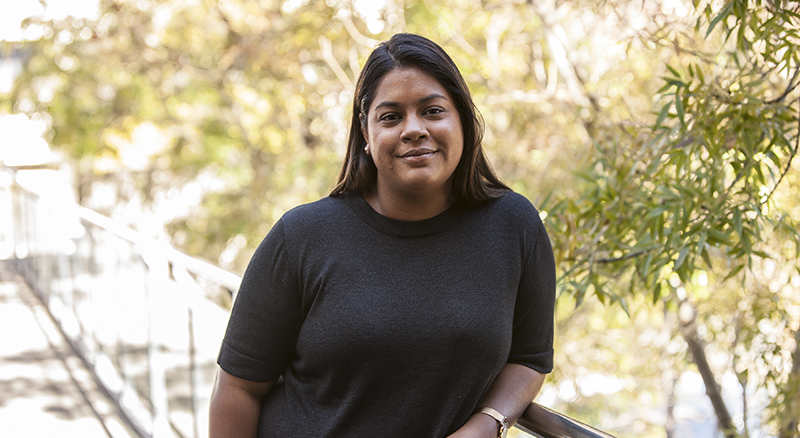
Researchers call for the term ‘high functioning autism’ to be consigned to historyAutism researchers from The Kids Research Institute Australia have called for the term ‘high functioning autism’ to be abandoned because of the misleading and potentially harmful expectations it creates around the abilities of children on the autism spectrum.
Research
AusVaxSafetyChristopher Peter Peter Tom Blyth Jacoby Richmond Snelling MBBS (Hons) DCH FRACP FRCPA PhD BA (Hons) MSc MBBS MRCP(UK) FRACP BMBS DTMH GDipClinEpid
News & Events
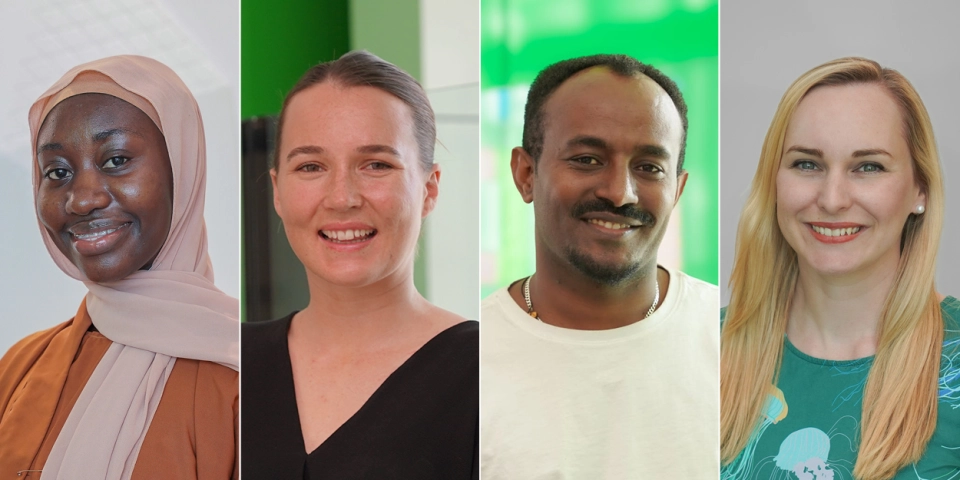
Stan & Jean Perron Awards supporting outstanding child health researchersWe are pleased to announce latest recipients of the Stan and Jean Perron Awards, that recognise the work of exceptional postgraduate students who are undertaking their research projects at The Kids Research Institute Australia.