
Search
Showing results for "Wal yan"

Our team aims to better understand how the immune response to immune challenges, such as viral infections can influence the risk of developing asthma or autoimmune disease.
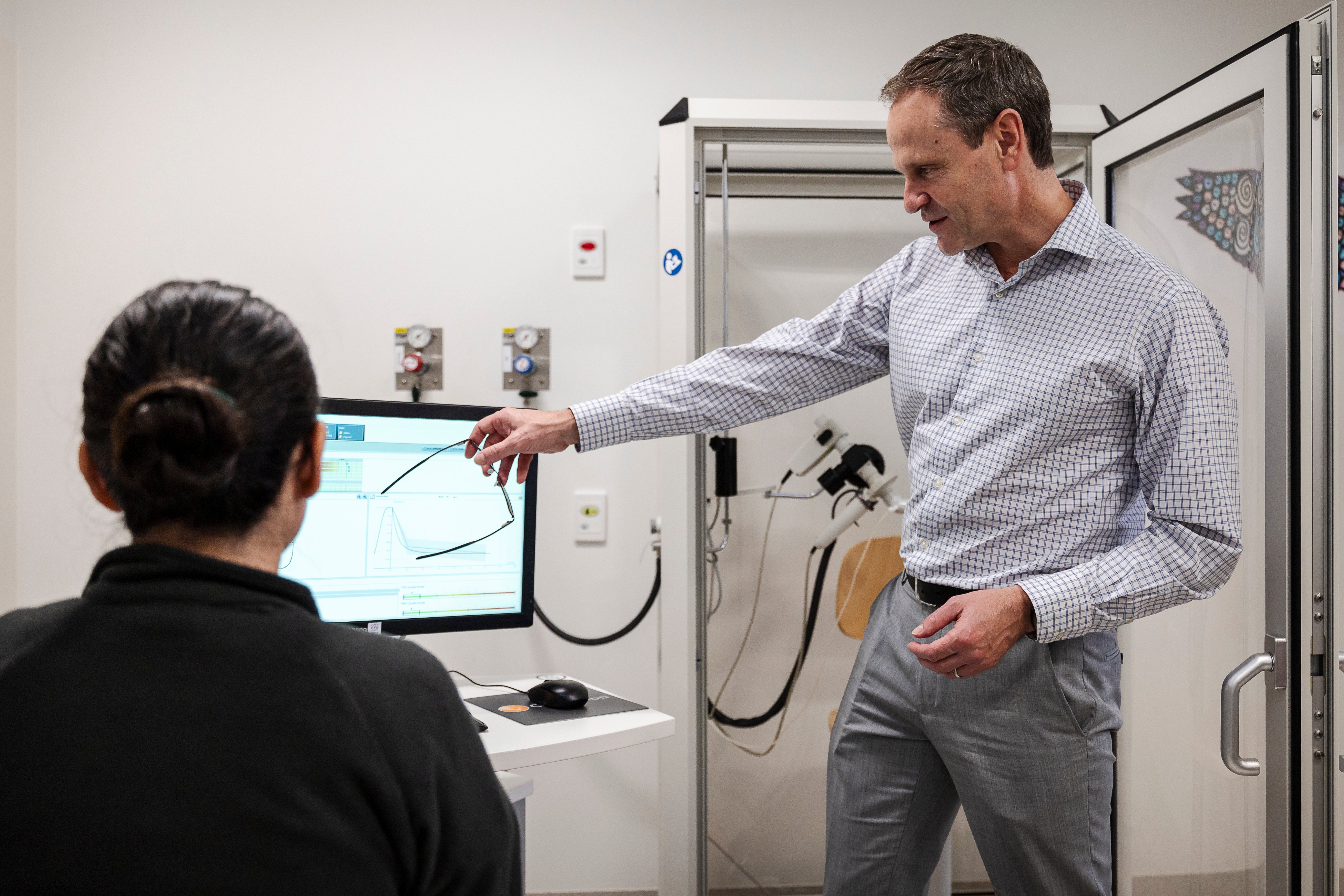
A new paper published in Frontiers in Pediatrics offers clinicians a practical roadmap to improve healthcare outcomes for Indigenous children, starting with respect, communication, and cultural understanding.

Eight The Kids Research Institute Australia-led projects will benefit from the latest round of WA Child Research Fund (WACRF) grants, announced this week by Medical Research Minister Stephen Dawson.
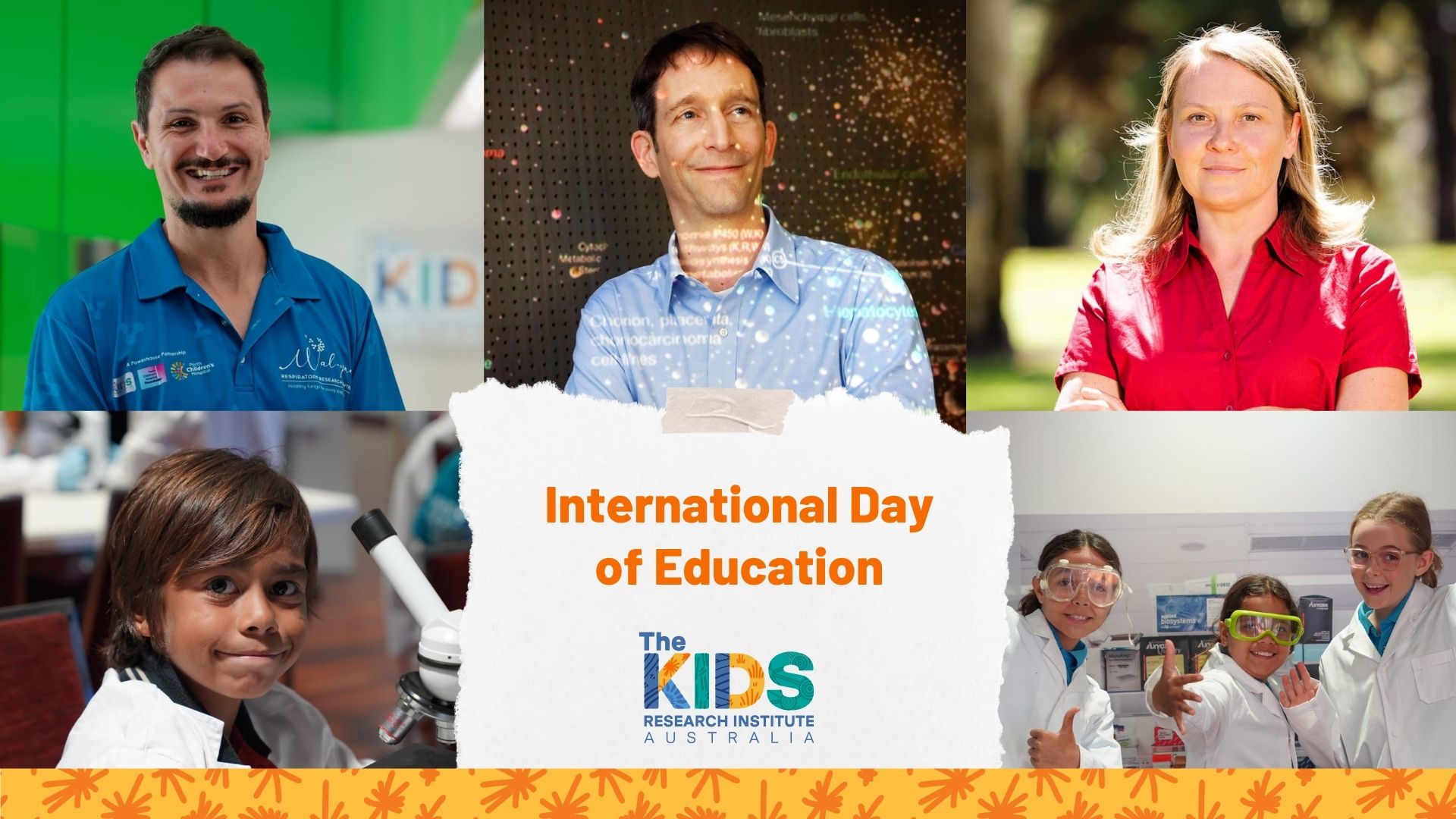
Today, 24 January 2025, is International Day of Education, a global celebration of the power of learning to transform lives. This year’s theme, “AI and Education: Preserving Human Agency in an Automated World”, underscores the critical role of education in preparing kids for a future increasingly shaped by AI.

The world’s leading preterm scientists and doctors have joined forces to help give babies born very prematurely, the best possible life.
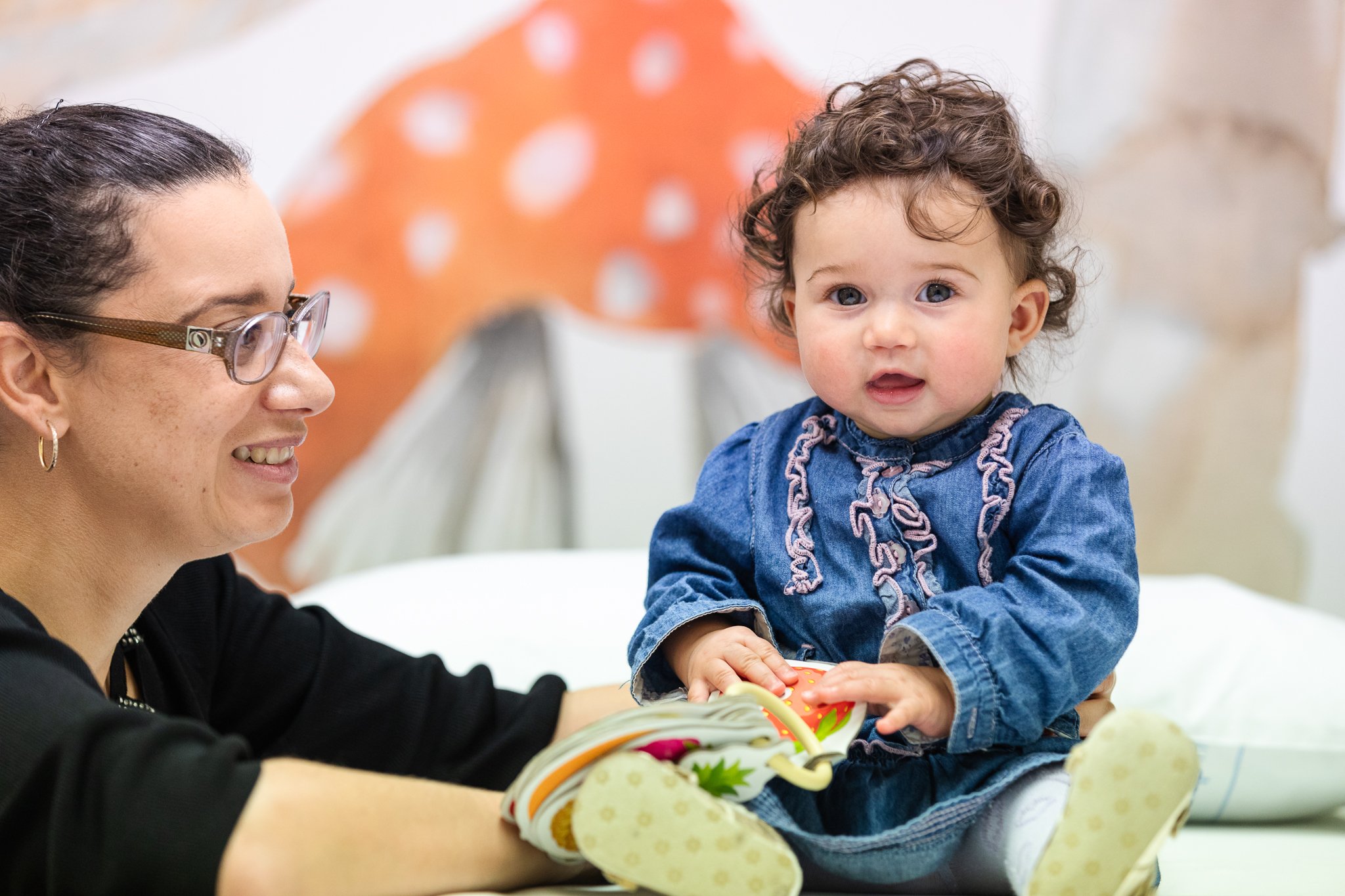
RHINO researchers from The Kids' Wal-yan Respiratory Research Centre, will analyse ORIGINS data and turn it into meaningful respiratory and allergy outcome data that can be used by researchers around the world.
Respiratory disease is a leading cause of hospitalisations in children with cerebral palsy (CP). Over 40% of individuals with CP are born preterm; however, the relationship between prematurity, CP and respiratory disease is unknown.
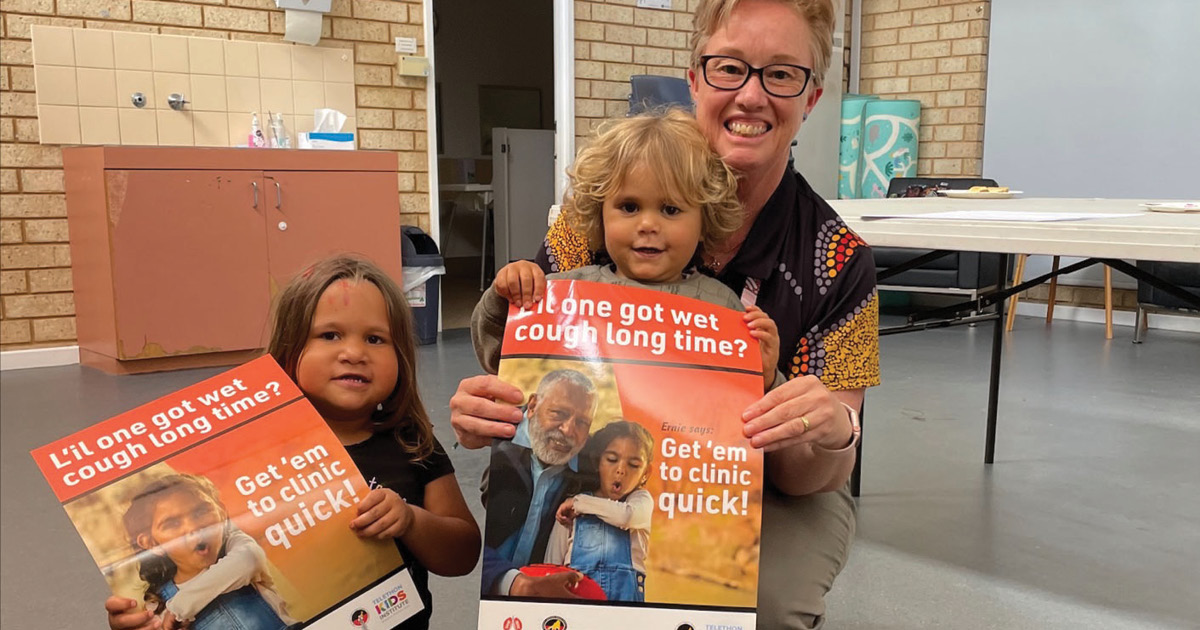
A program aimed at raising awareness of the dangers of a chronic wet cough in Aboriginal children has been extended to 14 remote and regional towns in Western Australia - thanks to a partnership between The Kids Research Institute Australia and Cystic Fibrosis WA.
SHIP-CT, led by Professor Stephen Stick, Director of the Wal-yan Respiratory Research Centre at The Kids, is a unique study in preschool-aged children (from 3-6 years of age) with CF using images of the lung from chest CT scans as the main outcome measure.

Wal-yan researchers have been awarded $500,000 for their innovative research, supported by the Western Australian Government’s Future Health Medical Research and Innovation (FHRI) Fund.