
Search
Infant MLL-AF4-driven acute lymphoblastic leukemia (ALL) is a devastating disease with dismal prognosis. A lack of understanding of the unique biology of this disease, particularly its prenatal origin, has hindered improvement of survival. We perform multiple RNA sequencing experiments on fetal, neonatal, and adult hematopoietic stem and progenitor cells from human and mouse.
Empowering young people with type 1 diabetes (T1D) to manage their blood glucose levels during exercise is a complex challenge faced by health care professionals due to the unpredictable nature of exercise and its effect on blood glucose levels. Mobile health (mHealth) apps would be useful as a decision-support aid to effectively contextualize a blood glucose result and take appropriate action to optimize glucose levels during and after exercise.
The “Earthrise” photograph, taken on the 1968 Apollo 8 mission, became one of the most significant images of the 20th Century. It triggered a profound shift in environmental awareness and the potential for human unity—inspiring the first Earth Day in 1970. Taking inspiration from these events 50 years later, we initiated Project Earthrise at our 2020 annual conference of inVIVO Planetary Health.
Little is known about how to effectively encourage higher levels of activity among older people. This study tested the effectiveness of a public service advertisement designed according to recommendations for communicating with older audiences and featuring five types of moderate-to-vigorous physical activity: tennis, line dancing, cycling, swimming and jogging.
A potential response to the COVID-19 pandemic in sub-Saharan Africa (SSA) with long-term benefits is to provide electricity for medical equipment in rural health centers and communities. This study identifies a large gap in the electrification of healthcare facilities in SSA, and it shows that decentralized photovoltaic systems can offer a clean, reliable, quick, and cost-effective solution.
In Australia’s north, Aboriginal peoples live with world-high rates of rheumatic heart disease (RHD) and its precursor, acute rheumatic fever (ARF); driven by social and environmental determinants of health. We undertook a program of work to strengthen RHD primordial and primary prevention using a model addressing six domains: housing and environmental support, community awareness and empowerment, health literacy, health and education service integration, health navigation and health provider education.
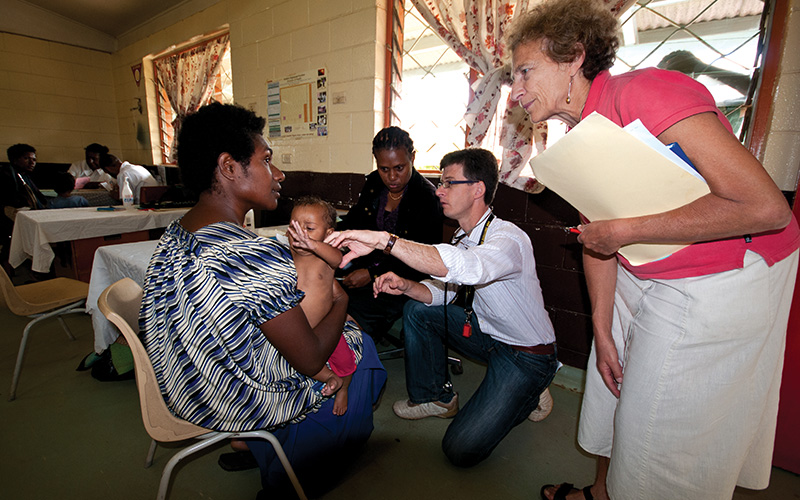
New research has revealed the extraordinary impact of a collaborative project between The Kids Research Institute Australia and the Papua New Guinea Institute of Medical Research, with rates of hospitalisation for pneumonia dropping by nearly 60 per cent thanks to the introduction of the pneumococcal vaccine
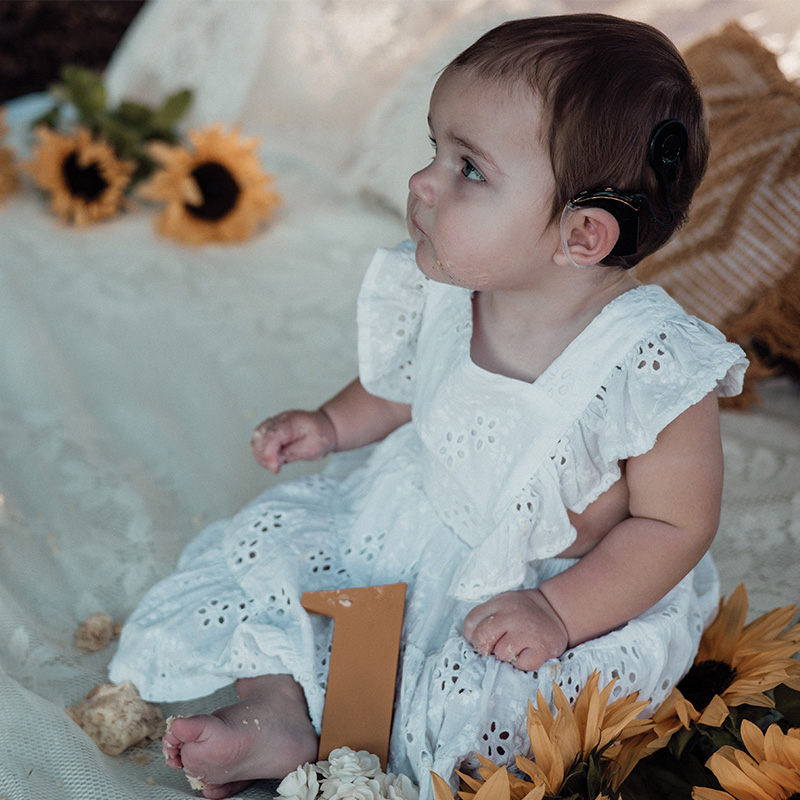
When Perth mum Lacy Swan’s daughter Charlotte failed the newborn hearing test at 3 days of age, the medical team explained it could simply be due to fluid on the ears.
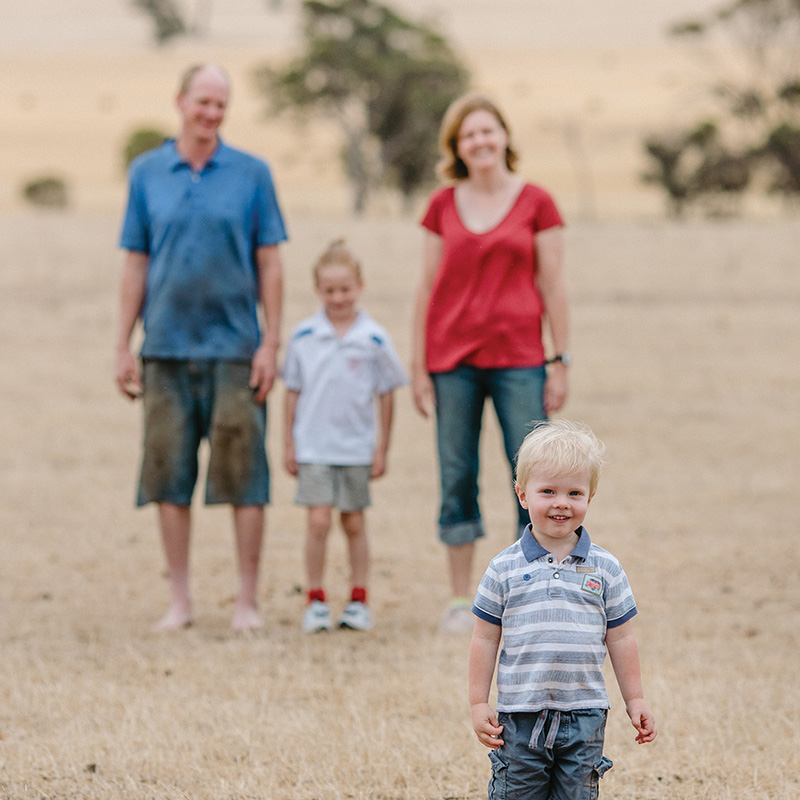
A program unfolding in four very diverse locations across Western Australia is working to give children aged 0–4 the best start in life.
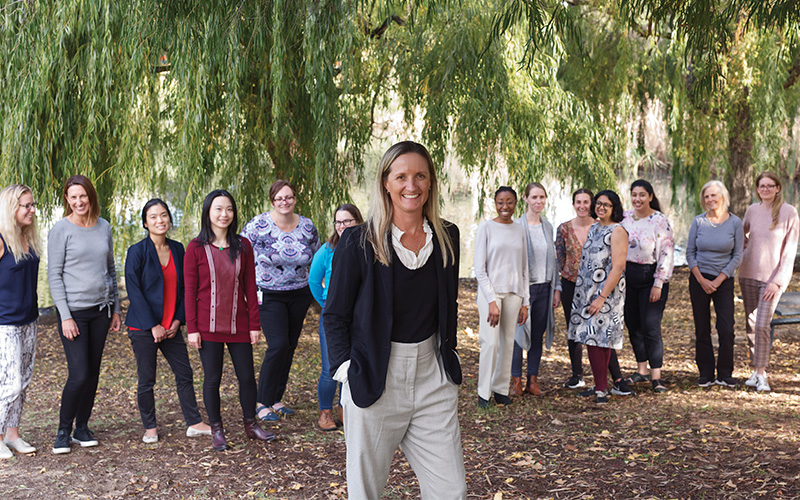
The Kids Research Institute Australia researchers are urging governments to listen more to what kids need.