
Search
Showing results for "grants"
News & Events
‘Invisible’ children of imprisoned parents at risk of falling through the cracksA study by The Kids has found children with a parent who has gone to prison are significantly more likely to have poor development outcomes.
News & Events
National FASD diagnostic tool to improve outcomes for kidsAustralia's first national diagnostic tool for Fetal Alcohol Spectrum Disorder (FASD) has been developed by researchers at The Kids Research Institute Australia and the U
News & Events
Greater justice for people with FASDA study of the Western Australian justice system has identified that 85% of staff say responding to the needs of people with FASD is an issue in their work.
The Kids Research Institute Australia researchers will have continued access to the latest equipment to support and enable their important research, thanks to Maia Financial.
Research
An investigation of parental mental health among the Aboriginal population in Western Australia, and its impact on children’s outcomesCarrington Fiona Shepherd Stanley PhD FAA FASSA MSc MD FFPHM FAFPHM FRACP FRANZCOG HonDSc HonDUniv HonFRACGP HonMD HonFRCPCH HonLLB (honoris causa)
Research
Developing a novel therapeutic pipeline for antibiotic resistant bacterial lung infection in children: investigating and assessing the potential phage therapyAntimicrobial resistance is a global health crisis, which has accelerated due to the overuse of antibiotics.
Research
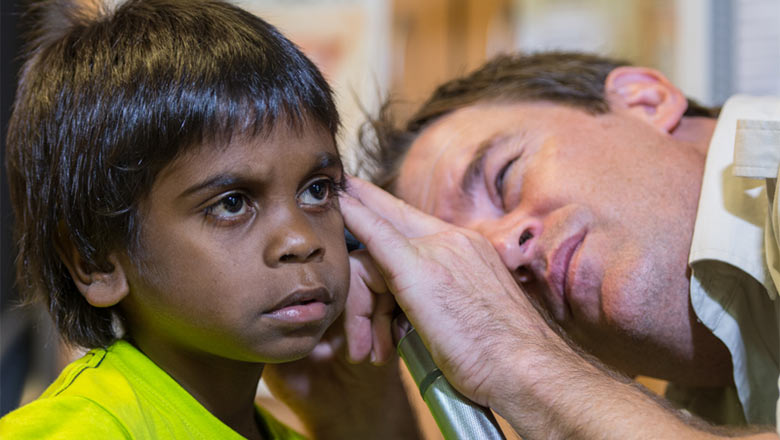
High prevalence of hearing loss in urban Aboriginal infants: the Djaalinj Waakinj cohort studyChris Deborah Tamara Brennan-Jones Lehmann Veselinovic PhD AO, MBBS, MSc BSc(Hons) MClinAud PhD Head, Ear and Hearing Health Honorary Emeritus Fellow
Research
Energy drink intake is associated with insomnia and decreased daytime functioning in young adult femalesTo investigate the association between energy drink (ED) use and sleep-related disturbances in a population-based sample of young adults from the Raine Study.
Research
Clinician-rated quality of video otoscopy recordings and still images for the asynchronous assessment of middle-ear diseaseVideo otoscopy plays an important role in improving access to ear health services. This study investigated the clinician-rated quality of video otoscopy recordings and still images, and compared their suitability for asynchronous diagnosis of middle-ear disease. Two hundred and eighty video otoscopy image-recording pairs were collected from 150 children (aged six months to 15 years) by an ear, nose, and throat (ENT) specialist, audiologists, and trained research assistants, and independently rated by an audiologist and ENT surgeon.
Research
Djaalinj Waakinj (listening talking): Rationale, cultural governance, methods, population characteristics–an urban Aboriginal birth cohort study of otitis mediaThe majority of Australian Aboriginal and Torres Strait Islander (hereafter referred to as “Aboriginal”) people live in urban centres. Otitis media (OM) occurs at a younger age, prevalence is higher and hearing loss and other serious complications are more common in Aboriginal than non-Aboriginal children. Despite this, data on the burden of OM and hearing loss in urban Aboriginal children are limited.