
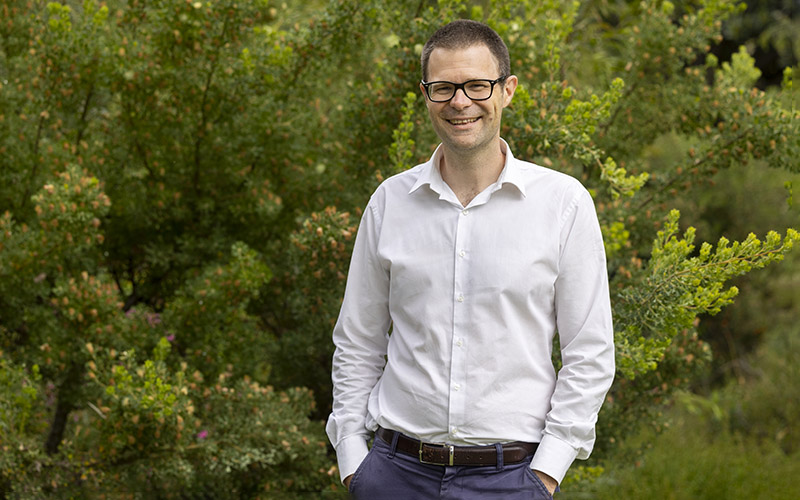
Professor Andrew Whitehouse has been named a finalist in the 2023 Western Australian of the Year Awards for his work in transforming clinical support…
Autism omics research has historically been reductionist and diagnosis centric, with little attention paid to common co-occurring conditions (for exa…
The Repetitive Behaviours Questionnaire for Adults (RBQ-2A) measures two factors of restricted and repetitive behaviours (RRBs) associated with autis…
The growing global prevalence of autism spectrum disorder is associated with increasing costs for support services. Ascertaining the effects of a suc…
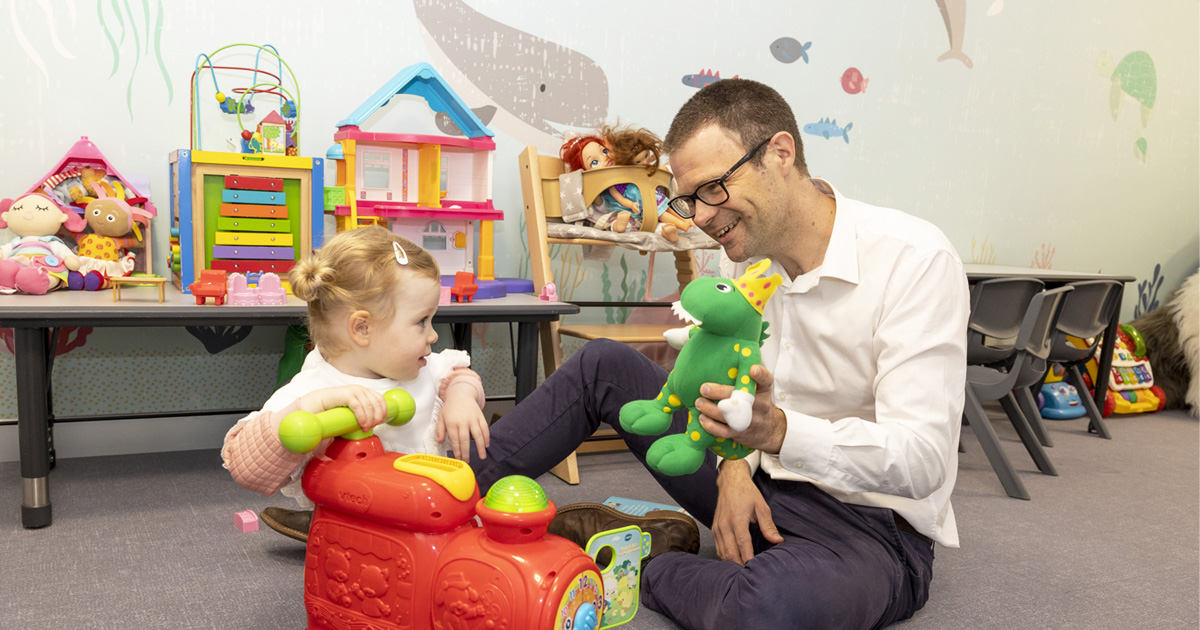
The Kids Research Institute Australia welcomes today’s Federal Government announcement of a new pilot program to support babies showing early social…
The aim of the present study was to compare scale and conditional reliability derived from item response theory analyses among the most commonly used…
To identify factors associated with quality of life (QoL) in children with intellectual disability. We aimed to identify patterns of association not…
Developmental theory and previous studies support the potential value of prodromal interventions for infants at elevated likelihood of developing aut…
Recent studies have reported that strengths-based programs, leveraging autistic adolescents' abilities and interests, could improve their skills and…
Prenatal depressive symptoms are linked to negative child behavioral and cognitive outcomes and predict later psychopathology in adolescent children.…