
Search
Showing results for "Professor"
Research
Study protocol for Healthy Conversations @ Playgroup: a multi-site cluster randomized controlled trial of an intervention to promote healthy lifestyle behaviours in young children attending community playgroupsEarly childhood is a critical window for preventing obesity and chronic disease. Yet, 1 in 4 Australian children aged 5 years and under are affected by overweight or obesity; and significant proportions of children under 5 years fail to meet guidelines for diet quality, physical activity (PA), screen time, and sleep.
Research
A common genetic variant of a mitochondrial RNA processing enzyme predisposes to insulin resistanceMitochondrial energy metabolism plays an important role in the pathophysiology of insulin resistance. Recently, a missense N437S variant was identified in the MRPP3 gene, which encodes a mitochondrial RNA processing enzyme within the RNase P complex, with predicted impact on metabolism. We used CRISPR-Cas9 genome editing to introduce this variant into the mouse Mrpp3 gene and show that the variant causes insulin resistance on a high-fat diet.
Research
A cross-sectional study of factors associated with regular dog walking and intention to walk the dogDog walking is important for public health and dog welfare, yet some owners do not walk with their dogs regularly. This study examined factors associated with participation in regular dog walking and intention to dog walk, in order to inform physical activity interventions.
Research
Exploring the Reported Strengths and Limitations of Aboriginal and Torres Strait Islander Health Research: A Narrative Review of Intervention StudiesHigh quality intervention research is needed to inform evidence-based practice and policy for Aboriginal and Torres Strait Islander communities. We searched for studies published from 2008-2020 in the PubMed database. A narrative review of intervention literature was conducted, where we identified researcher reported strengths and limitations of their research practice.
Research
Getting to the heart of the matter: a research partnership with Aboriginal women in South and Central AustraliaWithin the vast majority of qualitative health research involving Indigenous populations, Indigenous people have been marginalised from research conceptualisation and conduct. This reflects a lack of regard for Indigenous ways of knowing, being, and doing, has served to perpetuate deficit narratives of Indigenous peoples’ health and wellbeing, and contributes to failure in addressing inequities as a result of ongoing colonisation and institutionalised oppression and racism.
Research
Associations between the built environment and emotional, social and physical indicators of early child development across high and low socioeconomic neighbourhoodsEmerging evidence indicates that the built environment influences early child development. Access to, and the quality of, built environment features vary with the socioeconomic status (SES) of neighbourhoods. It has not yet been established whether the association between built environment features and early child development varies by neighbourhood SES.
Research
2023 Australian guideline for assessing and managing cardiovascular disease riskThe 2023 Australian guideline for assessing and managing cardiovascular disease risk provides updated evidence-based recommendations for the clinical assessment and management of cardiovascular disease (CVD) risk for primary prevention. It includes the new Australian CVD risk calculator based on an equation developed from a large New Zealand cohort study, customised and recalibrated for the Australian population. The new guideline replaces the 2012 guideline that recommended CVD risk assessment using the Framingham risk equation.
Research
Epigenetic Science and Indigenous health: Key Issues and Considerations for Future ResearchEnvironmental epigenetics is a fast-growing field of scientific research attracting interest from key stakeholders in Indigenous health internationally, including researchers, clinicians, policymakers, and advocacy organisations. It is the study of how various external factors, including food, stress, and toxins, alter genetic expression, and could be biologically passed down to children (and potentially grandchildren).
Research
Core protocol for the adaptive Platform Trial In COVID-19 Vaccine priming and BOOsting (PICOBOO)The need for coronavirus 2019 (COVID-19) vaccination in different age groups and populations is a subject of great uncertainty and an ongoing global debate. Critical knowledge gaps regarding COVID-19 vaccination include the duration of protection offered by different priming and booster vaccination regimens in different populations, including homologous or heterologous schedules.
News & Events
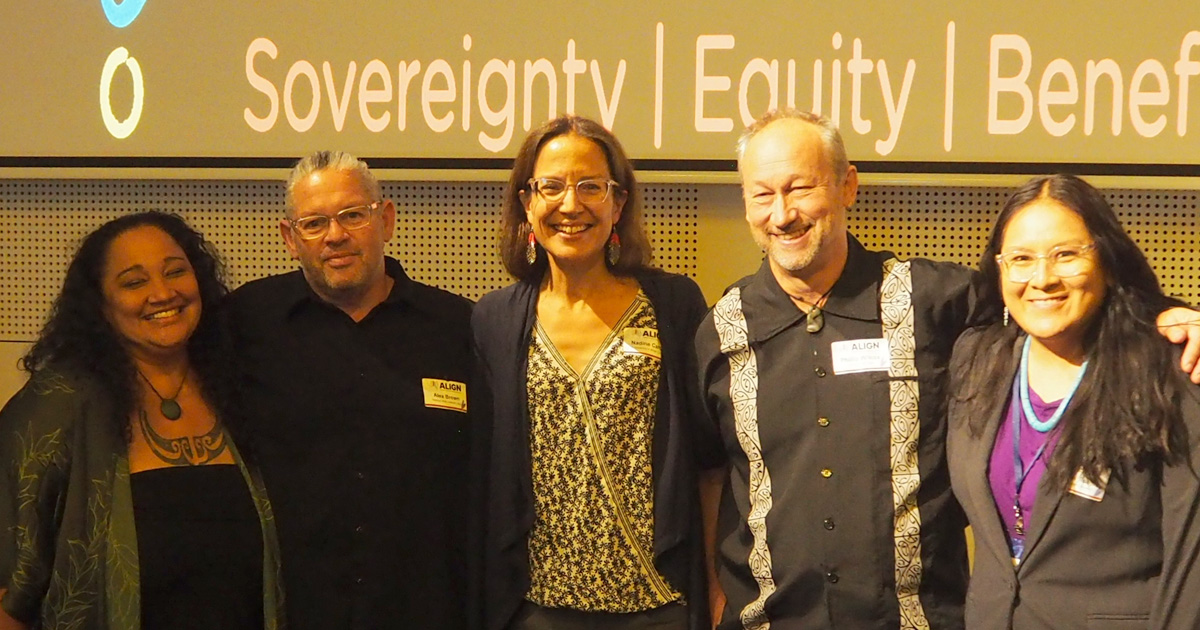
Powerful new network to ensure Indigenous Australians can benefit from genomic medicineA national alliance of the brightest minds in genomic science, academia, policy makers, industry and Indigenous leaders will work to break down barriers to ensure Aboriginal and Torres Strait Islander people can benefit from advances in genomic medicine if they choose.