
Search
Showing results for "Professor"
Research
Safety and Immunogenicity of Early Quadrivalent Influenza Vaccine: A phase 2prospective randomised open-label feasibility study (FluBub)Christopher Peter Blyth Richmond MBBS (Hons) DCH FRACP FRCPA PhD MBBS MRCP(UK) FRACP Centre Head, Wesfarmers Centre of Vaccines and Infectious

News & Events
Five The Kids researchers awarded prestigious grantsSeveral The Kids Research Institute Australia researchers will share in more than $7.5 million in prestigious Investigator Grants to pursue a range of innovative child health research.
Research
Maternal Serum Vitamin D Levels During Pregnancy and Offspring Neurocognitive DevelopmentNew research links poor language to lack of Vitamin D in womb.
News & Events
National funding success for child health researchersResearchers from the Telethon Institute have today been awarded $3.46 million in competitive grants and two early career fellowships from the NHMRC.
Research
Development of a screening tool to identify safer biodieselsAlexander Anthony Larcombe Kicic BScEnv (Hons) PhD BSc (Hons) PhD Honorary Research Fellow Rothwell Family Fellow; Head, Airway Epithelial Research
News & Events
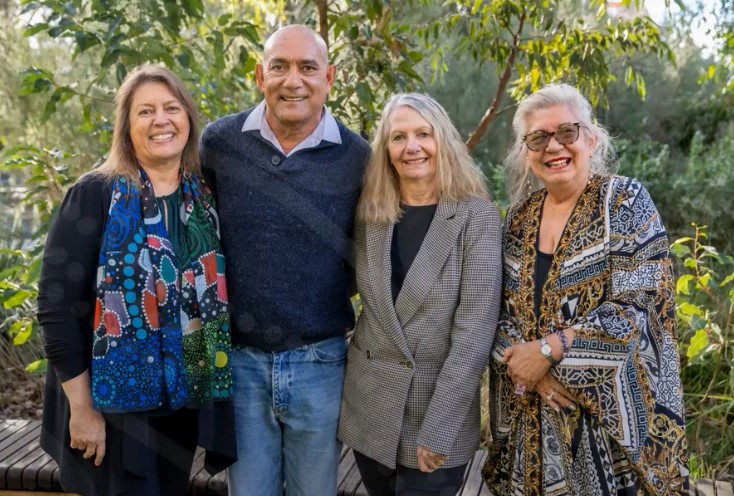
WATCH: Working Together after the referendumProfessor Helen Milroy, Michael Mitchell, and Professors Roz Walker and Pat Dudgeon sat on the panel to discuss Working Together, 10 years on.
Research
Immune modulation by UV: Role of vitamin DIn this chapter, evidence for and evidence against the involvement of vitamin D in the immunoregulatory properties of UV radiation is presented.
Research
Primary central nervous system lymphoma: Initial features, outcome, and late effects in 75 children and adolescentsChildren with Primary Central Nervous System Lymphoma and no immunodeficiency have a good outcome
Research
Cardio-Oncology Recommendations for Pediatric Oncology Patients: An Australian and New Zealand Delphi consensusCardio-oncology is a new multidisciplinary area of expertise that seeks to pre-emptively and proactively address cardiac complications that emerge during and following cancer therapy. Modern therapies including molecular targeted therapy and immunotherapy have broadened the agents that can cause cardiac sequelae, often with complications arising within days to weeks of therapy.
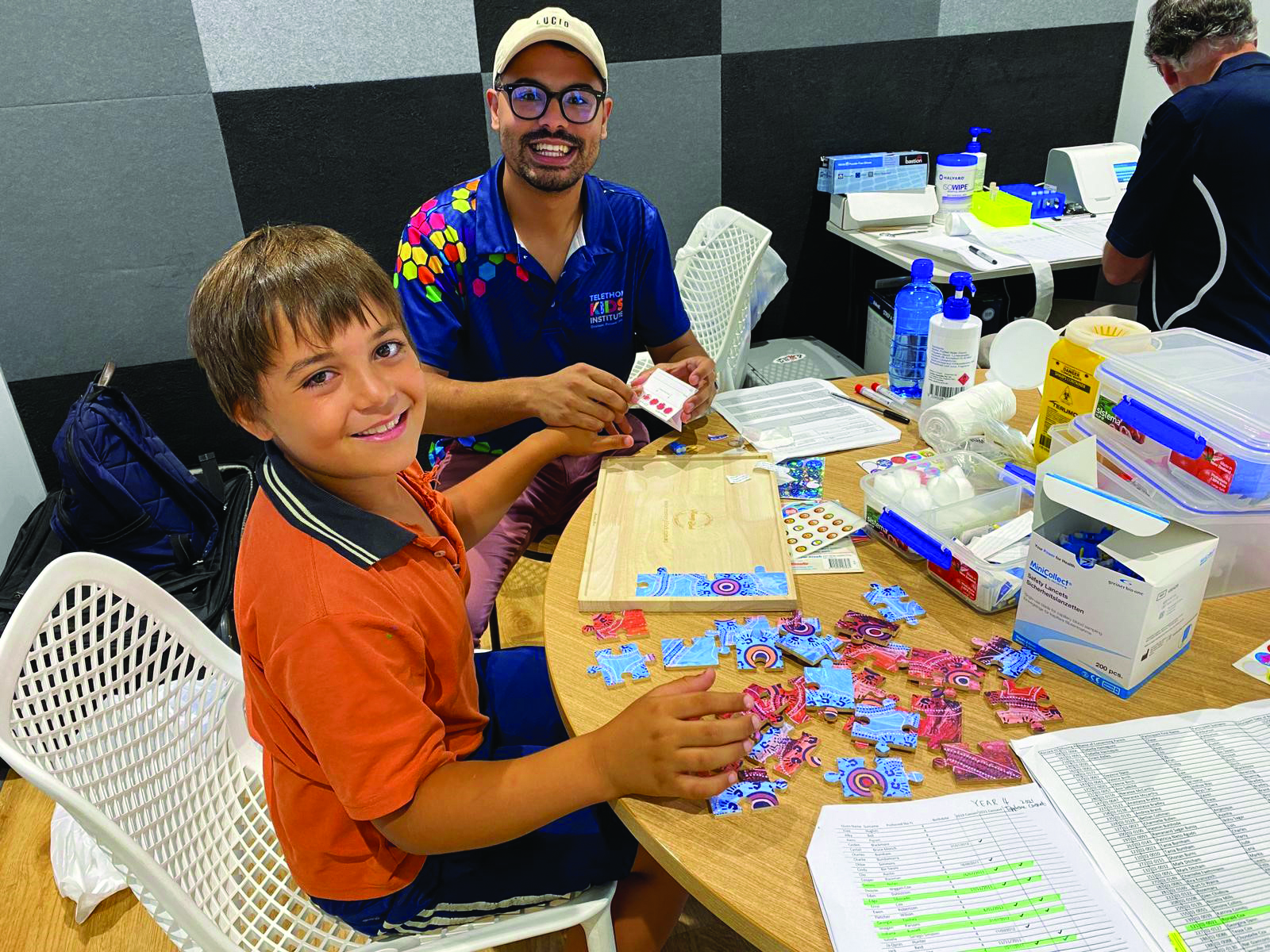
Thanks to research, a six -second test can get the answers that could save a child’s life.