Skip to content
The Kids Research Institute Australia logo
Donate

Search

Research

Body distribution of impetigo and association with host and pathogen factors

Impetigo or skin sores are estimated to affect >162 million people worldwide. Detailed descriptions of the anatomical location of skin sores are lacking.

Research

Skin Health in Northern Australia

Achieving healthy skin requires the prevention of infectious diseases that affect the skin. Prevention activities range from environmental health improvements to address inequities in living situations, through to community-wide treatment programs to reduce transmission and improve skin health.

Research

Harmonizing Surveillance Methodologies for Group A Streptococcal Diseases

Group A Streptococcus (Strep A) is responsible for a significant global health and economic burden. The recent prioritization of Strep A vaccine development by the World Health Organization has prompted global research activities and collaborations. To progress this prioritization, establishment of robust surveillance for Strep A to generate updated regional disease burden estimates and to establish platforms for future impact evaluation is essential.

Research

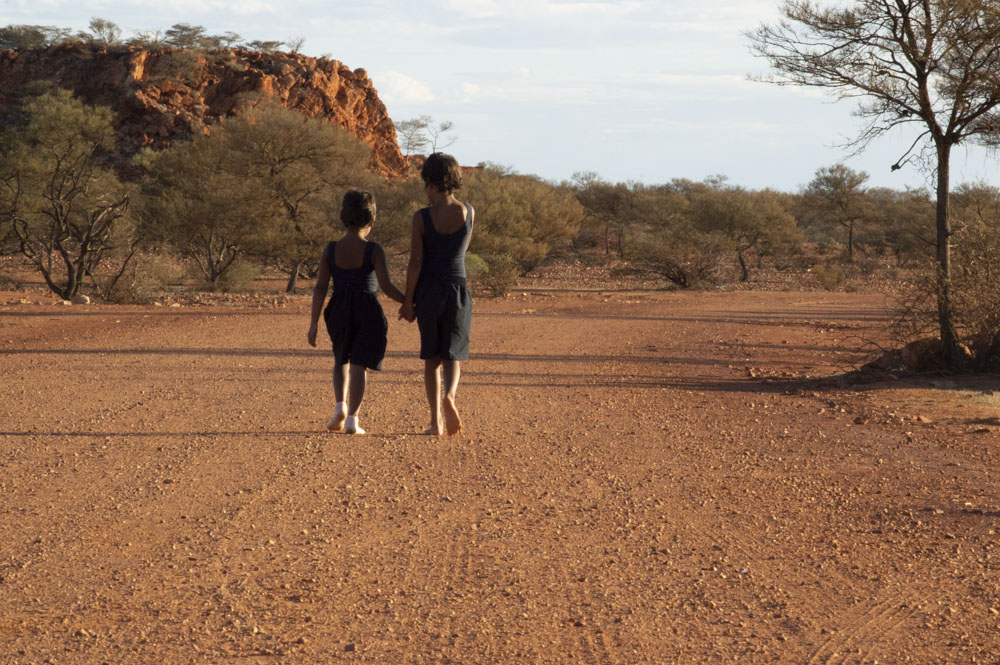
Berrembi Jarragboo-Boorroo Wajawoorroo Men'Gawoom Gijam (Gija Healthy Skin Story): Two-Way Learning for Healthy Skin

Remote-living Aboriginal children in Australia contend with higher rates of skin infections than non-Indigenous children. This work was embedded within a stepped-wedge, cluster randomised controlled trial aiming to halve the rate of skin infections in remote Kimberley communities. It outlines and reflects upon the co-development of a health promotion resource in partnership with the East Kimberley community of Warmun, whilst understanding community perceptions of its impact.

Research

Finding the optimal regimen for Mycobacteroides abscessus treatment (FORMaT) in people with Mycobacteroides abscessus pulmonary disease

Mycobacteroides abscessus (MABS) is within the non-tuberculous mycobacteria family. It inhabits soil and water, exhibits multi-antibiotic resistance and causes opportunistic lung infections, which may progress to symptomatic MABS-pulmonary disease (MABS-PD) associated with substantial morbidity, increased healthcare utilisation, impaired quality of life and increased mortality. 

Research

Streptococcus pyogenes Surveillance Through Surface Swab Samples to Track the Emergence of Streptococcal Toxic Shock Syndrome in Rural Japan

Japan recently experienced a record surge in streptococcal toxic shock syndrome. Our environmental surveillance study reveals that Streptococcus pyogenes persists seasonally, peaking in autumn and winter in rural Japan. The dominant emm1 M1UK sublineage and csrS mutations heighten virulence, highlighting the urgent need for targeted surveillance and interventions.

Research

Is Systemic Dissemination of BCG Following Neonatal Vaccination Required for Protection Against Mycobacterium tuberculosis?

Tuberculosis (TB) is caused by Mycobacterium tuberculosis (Mtb) and is a leading cause of death. BCG is the only licensed TB vaccine. Preclinical studies have shown that in adults, intravenous administration of BCG improves protection against TB. We hypothesize that intradermal administration of BCG to the human newborn leads to low-grade BCG bacteremia and that this systemic dissemination improves protection against Mtb infection. This hypothesis is based on supporting observations including animal and human studies. It is a testable hypothesis and offers to deliver immediately actionable insight to advance the global efforts against TB.

Research

Healthy skin for children and young people with skin of colour starts with clinician knowledge and recognition: a narrative review

Skin conditions most frequently encountered in paediatric practice include infections, infestations, atopic dermatitis, and acne. Skin of colour refers to skin with increased melanin and darker pigmentation, and reflects global racial and ethnic diversity. Managing skin conditions in skin of colour requires health equity nuance, which is rarely explicitly taught. 

Research

Serological Responses to Target Streptococcus pyogenes Vaccine Antigens in Patients With Proven Invasive β-Hemolytic Streptococcal Infections

Rising incidence of invasive β-hemolytic streptococcal (iBHS) infections has prompted consideration of vaccination as a preventative strategy for at-risk populations. The benefits of a vaccine targeting Lancefield group A (Streptococcus pyogenes; Strep A) would increase if cross-species immunity against Lancefield groups C/G (Streptococcus dysgalactiae subspecies equisimilis; SDSE) and B (Streptococcus agalactiae; GBS) was demonstrated. 

Research

Antimicrobial resistance in Staphylococcus aureus and Enterococci spp. isolates from bloodstream infections in Australian children, 2013 - 2021

Rising proportions of antimicrobial resistance (AMR) have been observed in both Staphylococcus aureus and Enterococcus spp. isolates.