
Search

Embrace @ The Kids Research Institute Australia recognises Mental Health Awareness Week, running until June 18, with the theme of ‘bonding before birth’.

Three of the four 2023 Embrace Seeding Grant winners.

Leaders of Western Australia’s youth mental health research sector from Embrace at The Kids Research Institute Australia have welcomed the state government’s $420 million boost to mental health spending in its 2023-24 budget.

Embrace Co-Director Ashleigh Lin has been appointed President of the Australian Professional Association for Trans Health (AusPATH).

Embrace PhD top up award to help Elmie Janse van Rensburg tackle systemic inequalities through research into intergenerational trauma.
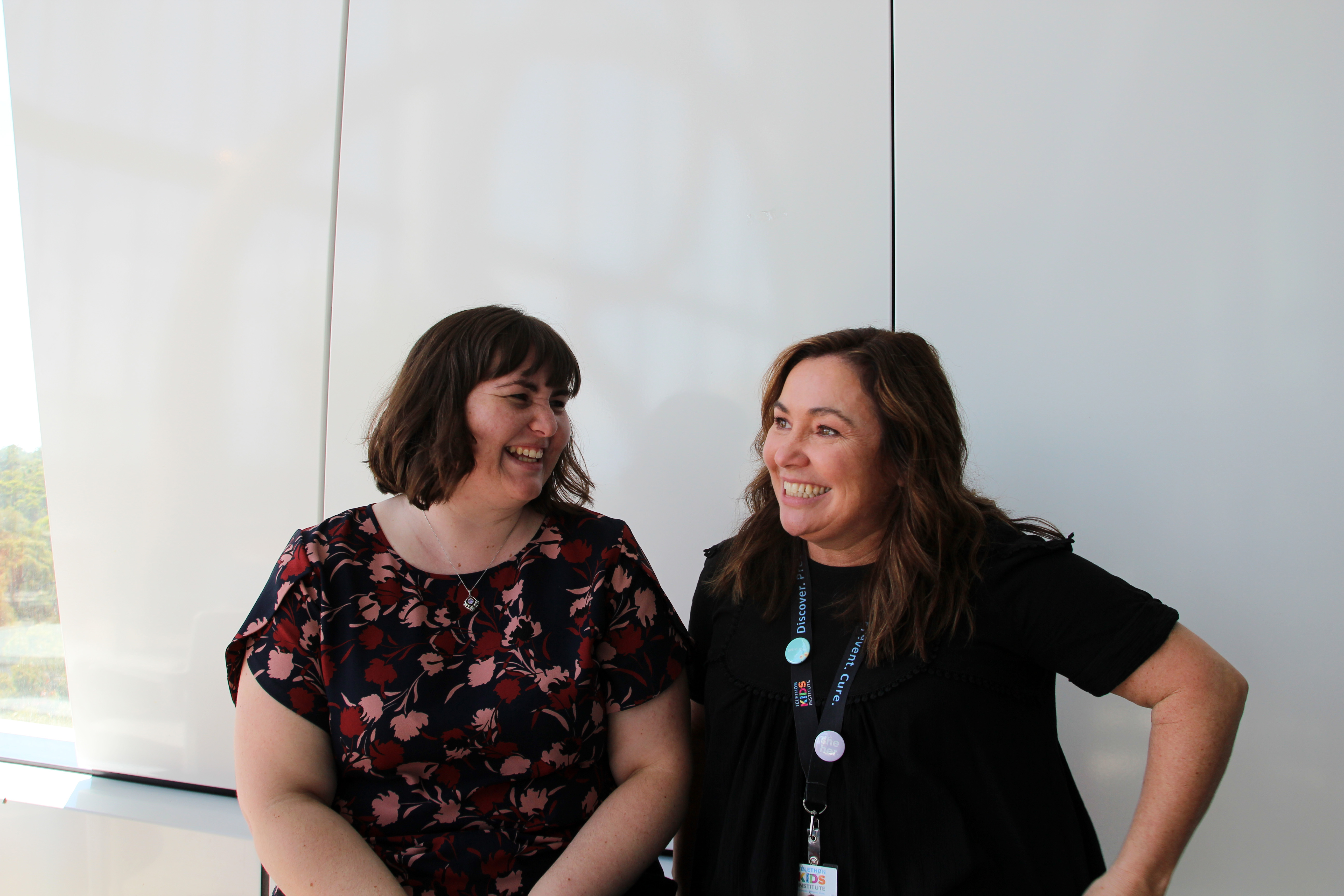
Support for mothers with severe mental illnesses and a greater understanding of young autistic LGBTQA+ people will receive funding, after Embrace’s PhD scholarship recipients were announced this month.

Youth mental health researchers present at ABC science talk

Professor Helen Milroy AM
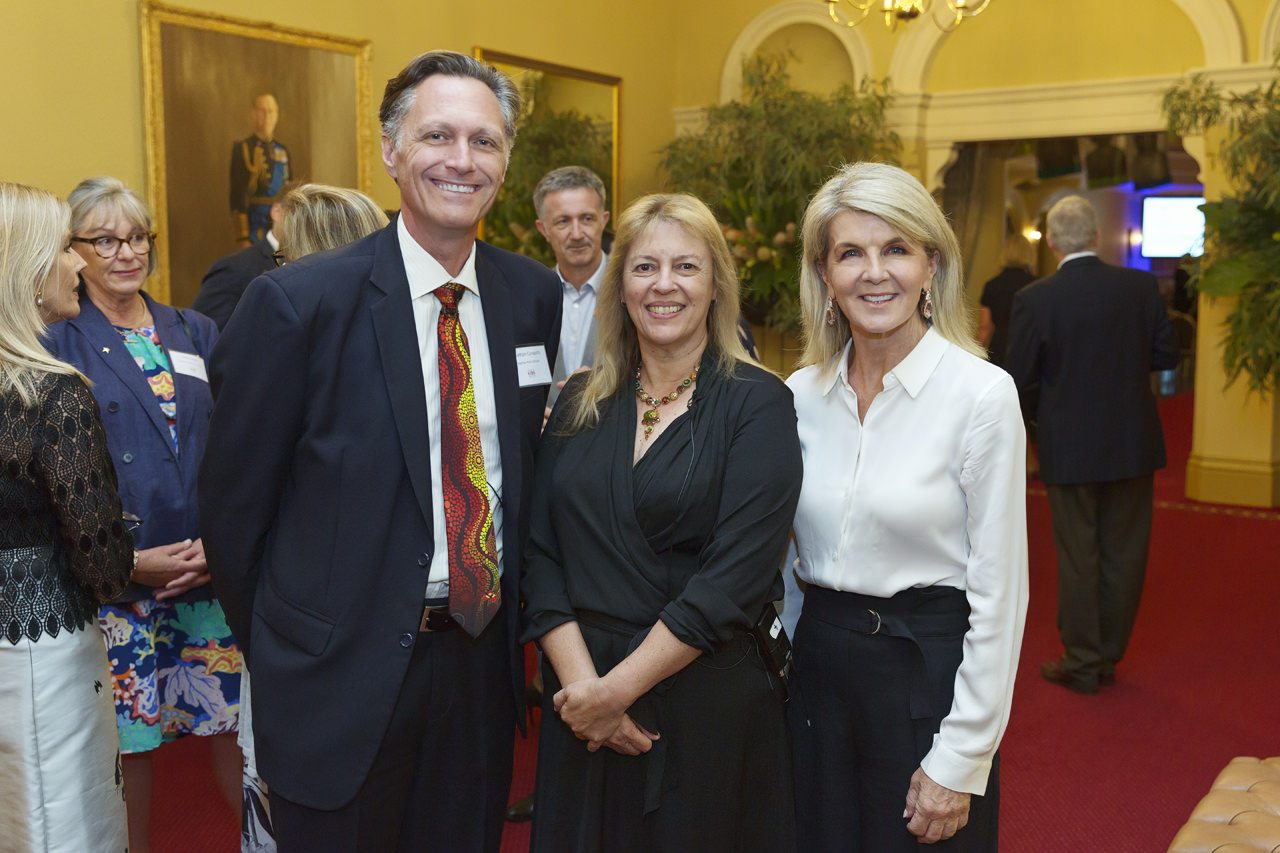
A major gap in tackling the mental health crisis in WA is the inability to effectively treat children and adolescents with a history of trauma within the current system.

The world can be a scary place for children. Wars, terrorist atrocities, natural disasters, bushfires, famine and shocking crimes are all regular features in the news we consume – not to mention the almost blanket coverage of the Covid-19 pandemic.