
Search
The Kids Research Institute Australia, Perth Children’s Hospital Foundation and Perth Children’s Hospital have formed a strategic partnership to support the establishment and operation of the Wal-yan Respiratory Research Centre.
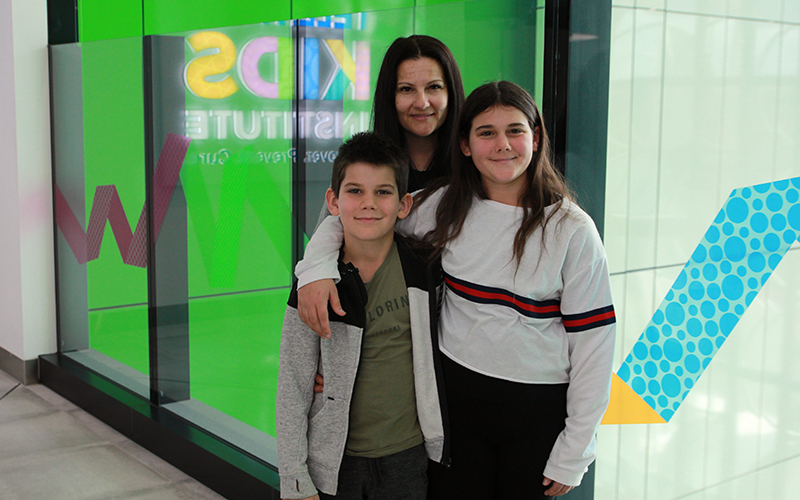
When Ballajura mum Filomena saw a callout to families to participate in a simple sore throat study to combat Strep A infections, she didn’t think twice.
The development of research partnerships is a priority for InterRett, with centres or clinicians with access to large numbers of patients with Rett syndrome.
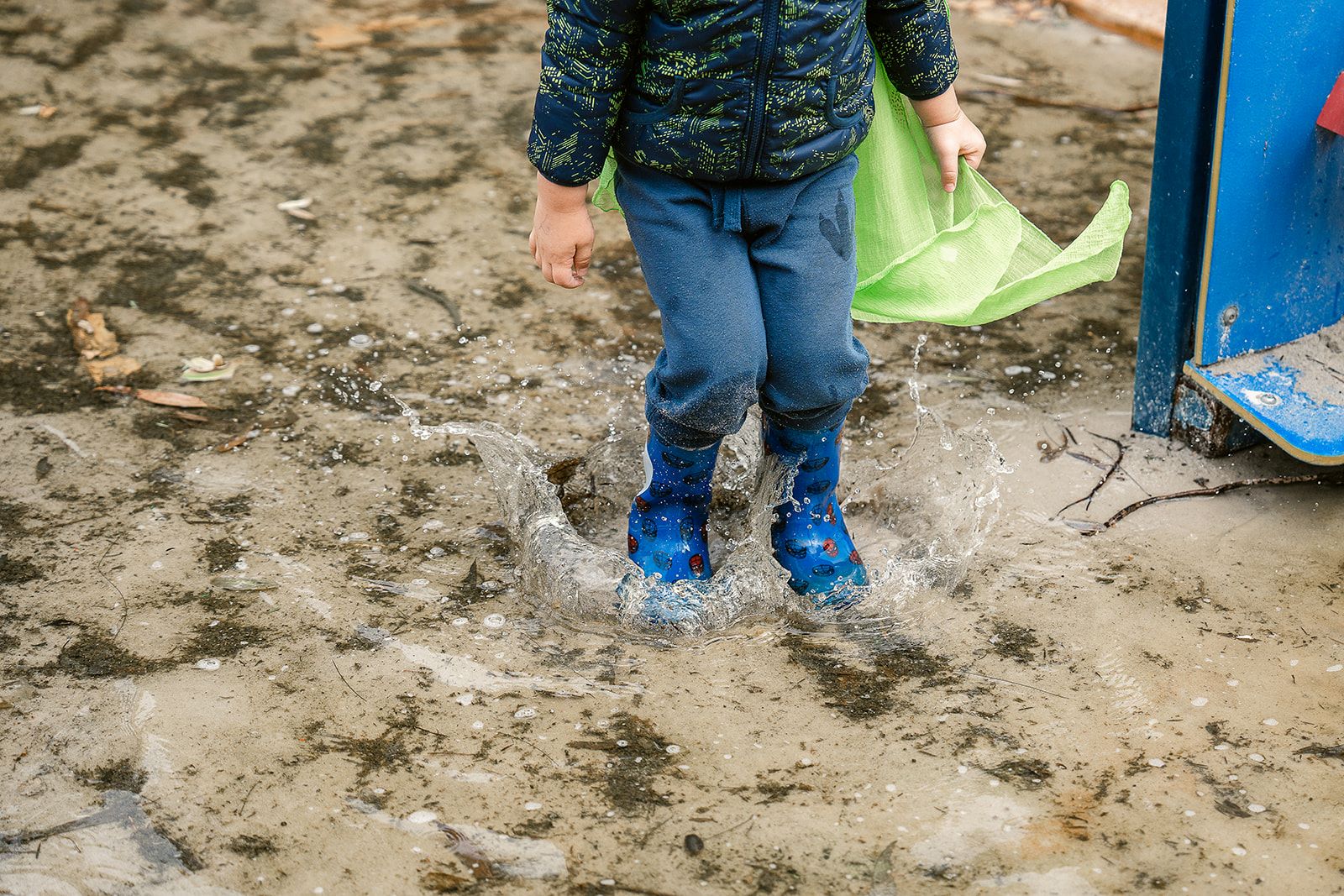
Helping families to unlock the mental and physical health benefits of connecting with nature and community through outdoor play - easily, and locally.
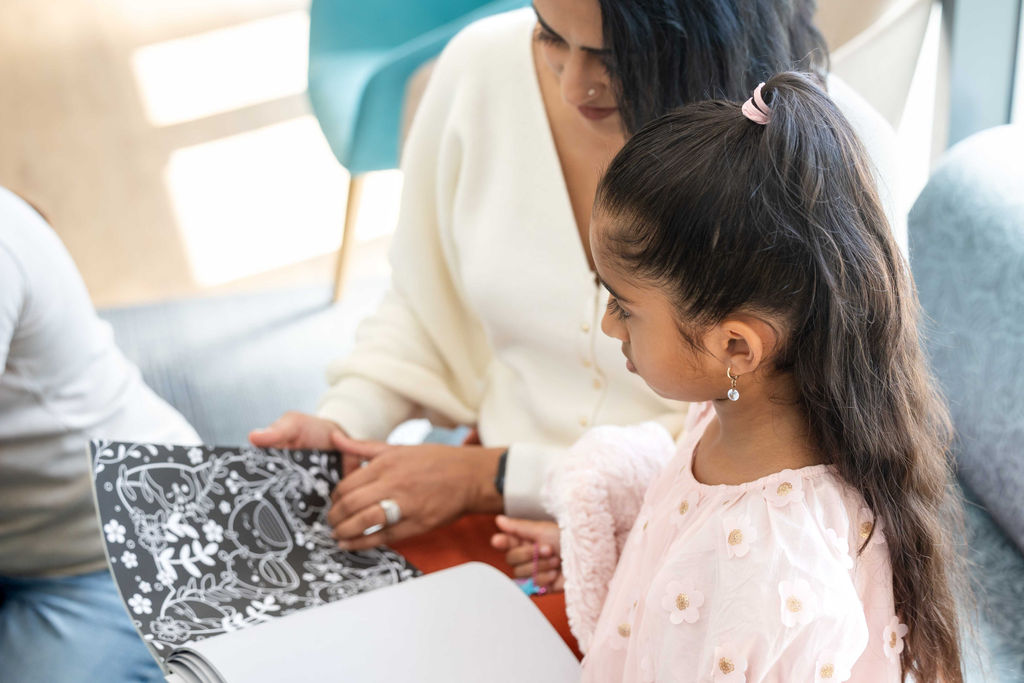
ORIGINS sub-projects are investigating the best way to provide support to new parents and positively influence the health and development of their children.
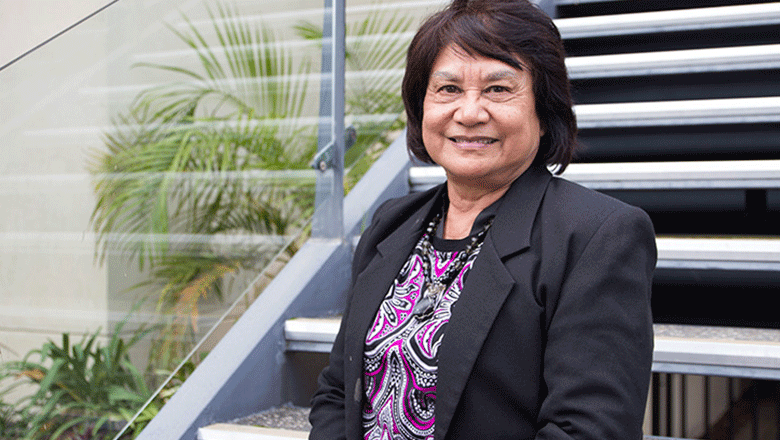
To celebrate NAIDOC week we sat down with Isabelle Adams, the coordinator of The Kids Research Institute Australia's Kulunga Aboriginal Research Development Unit (KARDU).
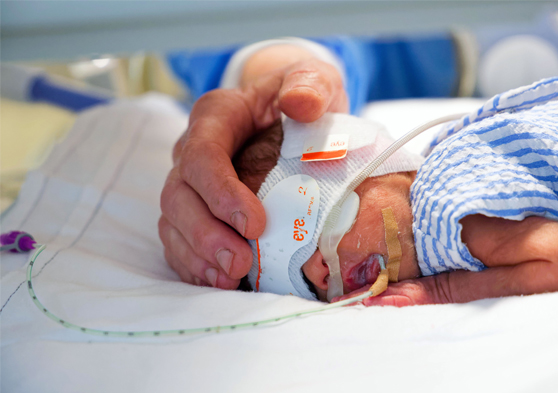
The CIRCA DIEM Study is a clinical research study being coordinated by the Chronobiology Team at The Kids Research Institute Australia, who are based in Perth, Western Australia and involving research teams from around the world.
The Wal-yan Respiratory Research Centre is made up of multi-disciplinary teams that are committed to improving the lives of children and their families living with respiratory disease.
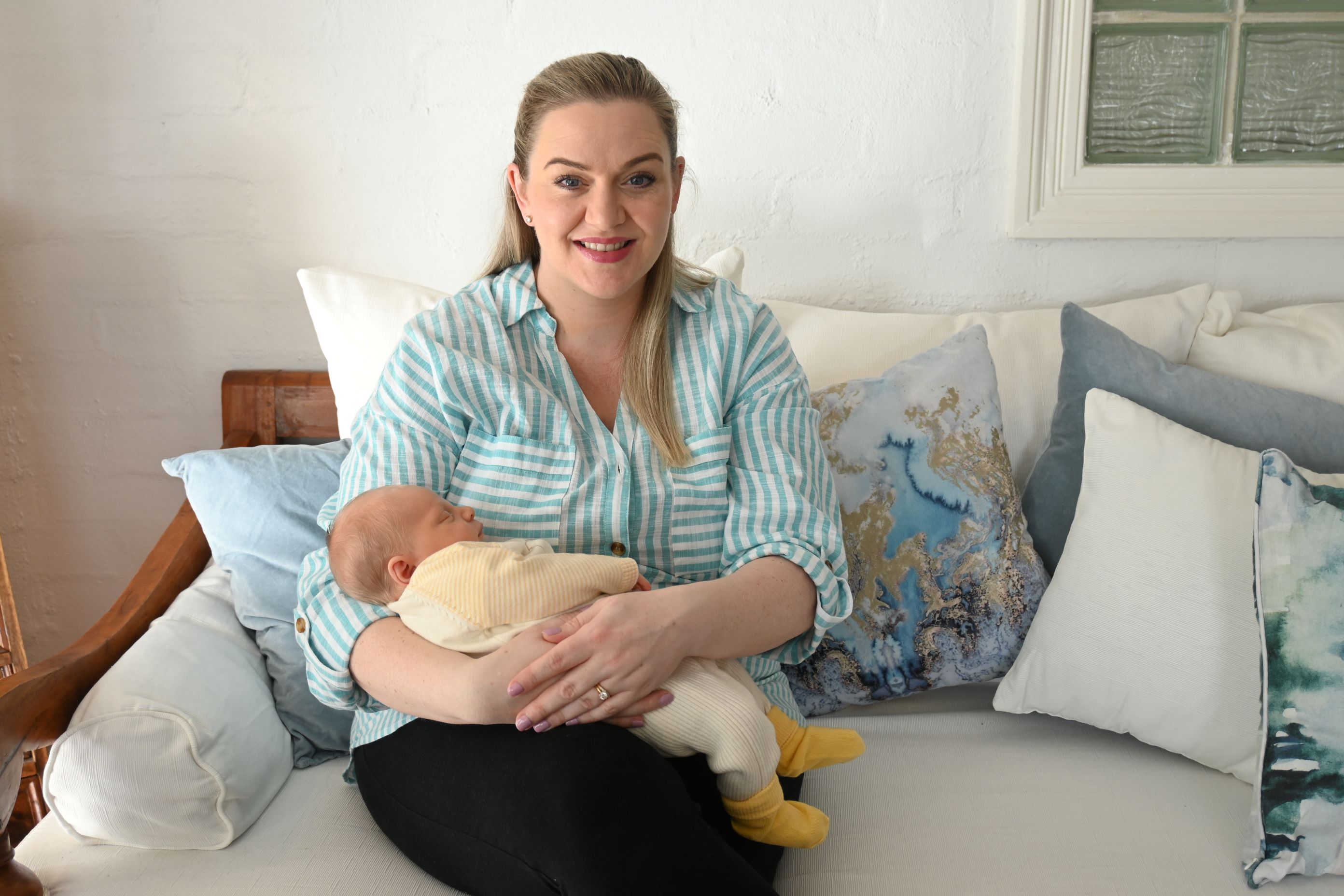
ORIGINS has welcomed its very last baby into the cohort
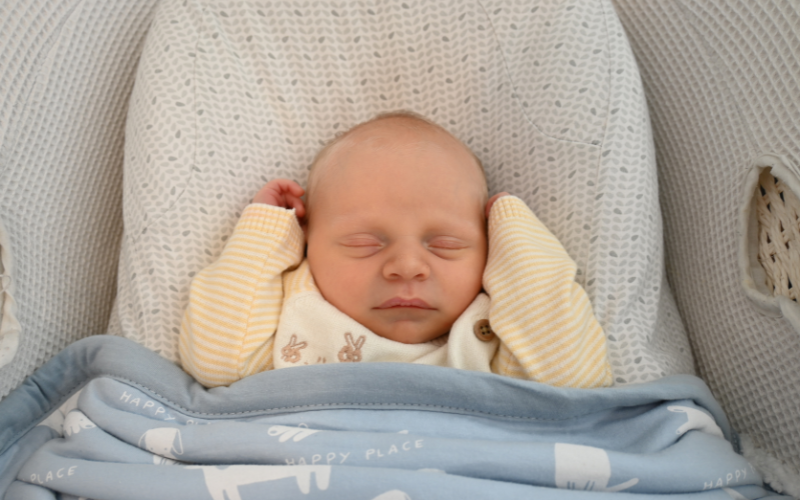
The AERIAL study, in partnership with The ORIGINS Project, endeavours to understand if exposures during pregnancy and early life can affect the cells lining the airways in newborns, and whether this is associated with the development of wheeze, allergy and asthma later in childhood.