
Search
Showing results for "Study of bullying"
Differential cell counts is a challenging task when applying computer vision algorithms to pathology. Existing approaches to train cell recognition require high availability of multi-class segmentation and/or bounding box annotations and suffer in performance when objects are tightly clustered.
Anaphylaxis is a severe, potentially life-threatening allergic reaction driven primarily by the activation of mast cells. We still fail to understand factors underlying reaction severity. Furthermore, there is currently no reliable diagnostic test to confirm anaphylaxis in the emergency department.
Severe, invasive Streptococcus pyogenes (Strep A) infections result in greater than 500,000 deaths annually. First line treatment for such infections is benzylpenicillin, often with the addition of clindamycin, but treatment failure can occur with this regimen. This failure has been partially attributed to the inoculum effect, which presents as reduced antibiotic susceptibility during high bacterial density and plateau-phase growth.
Laryngeal and respiratory reflexes are vitally important defense mechanisms against foreign body aspiration, safeguarding airway patency, and ventilation

It's that time of year again... Flu vaccine time! Watch Dr Chris Blyth answer commonly asked questions in the video below.
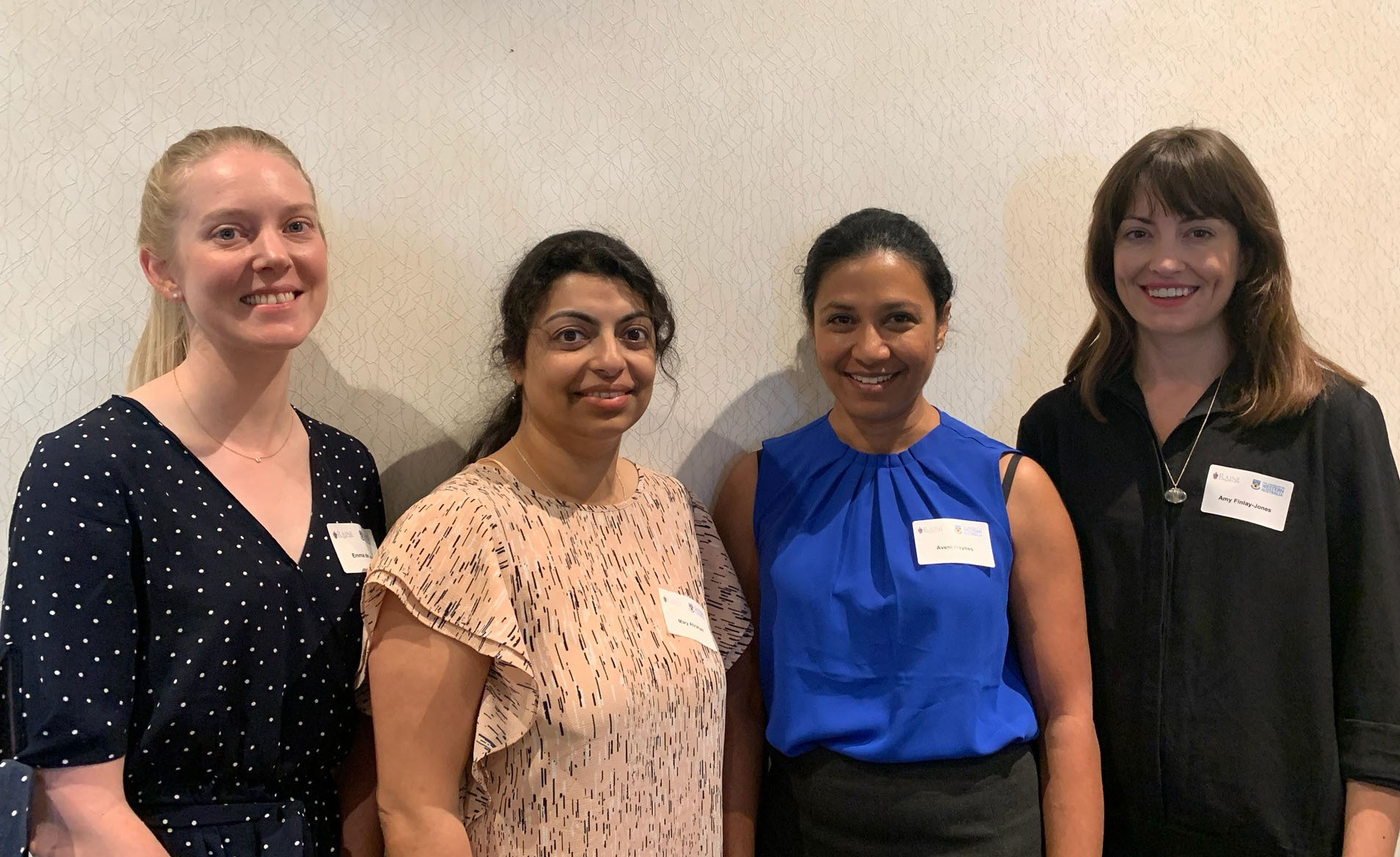
Children’s Diabetes Centre researchers at The Kids Research Institute Australia are among the big winners of prestigious Raine Medical Research Foundation Awards.
Learn how new technology is fast-tracking diagnoses for kids with rare diseases.
LGBTQA+ individuals are at increased risk of experiencing psychosis and face barriers in accessing appropriate and timely mental health support. This scoping review maps the existing literature to identify barriers and facilitators to access and engagement to care for LGBTQA+ people across the psychosis spectrum.
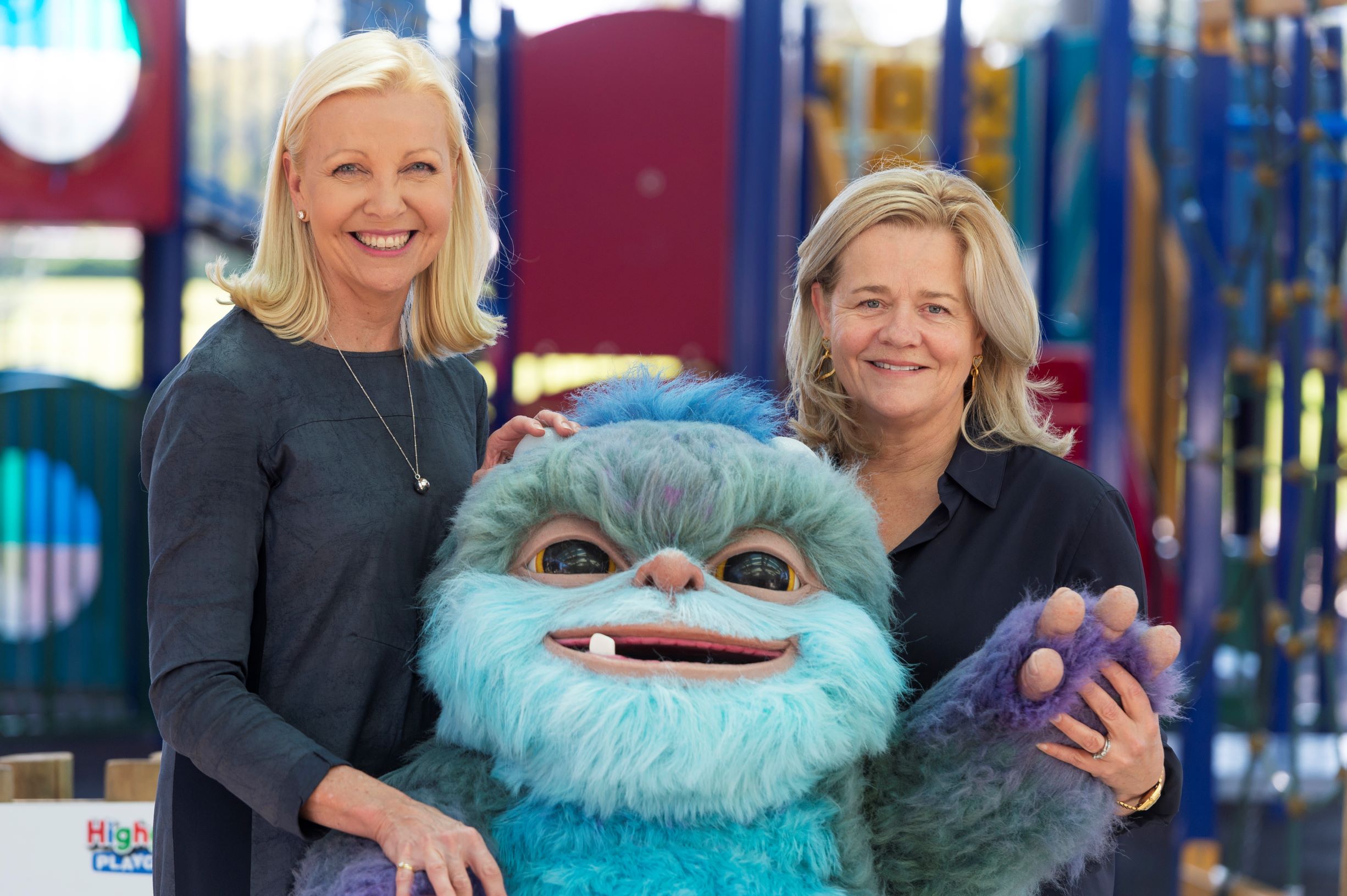
A comprehensive app produced by The Kids researchers has offered parents a lifeline as they try to cope with the isolation and disruption caused by coronavirus.

In early 2021, The Kids Research Institute Australia researcher Dr Amy Finlay-Jones led a global team in trying to answer that question to help better prioritise mental health spending.