
Search
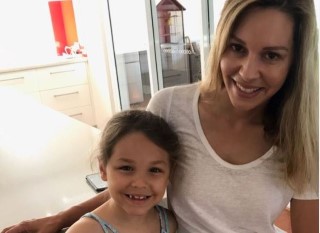
At every meal, Candice Carlon counts the carbs in her daughter Mia’s food. When Mia started pre-kindy, she stayed with her every day for six months.

We're testing how much protein is needed to prevent overnight hypos which can happen after exercise
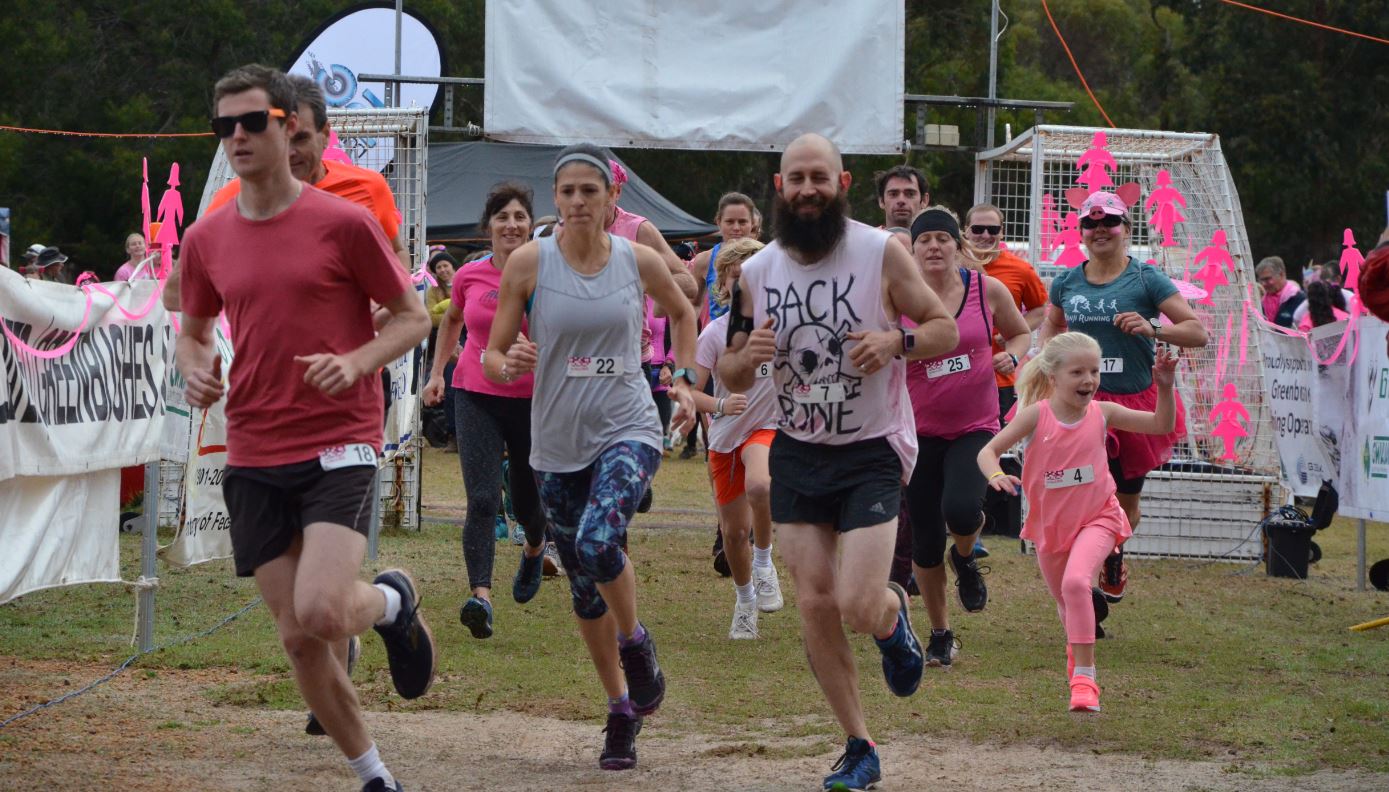
The tiny south west town of Greenbushes has again proved it has a big heart when it comes to raising funds for charity following the hosting of its sixth annual Fun Run and Mountain Bike Event recently.
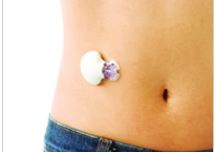
Perth Children’s Hospital’s Diabetes Clinic is holding a Continuous Glucose Monitoring (CGM) information night on Wednesday, May 29.

Perth Children’s Hospital’s Diabetes Clinic is holding an Adult Transition Information Evening for young people with type 1 diabetes on Wednesday June 19.
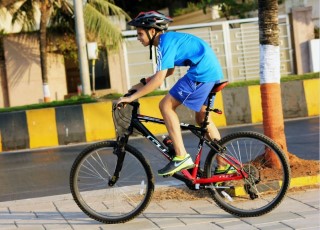
Young people are needed for a new study looking at ways to improve hypoglycaemia awareness through exercise.
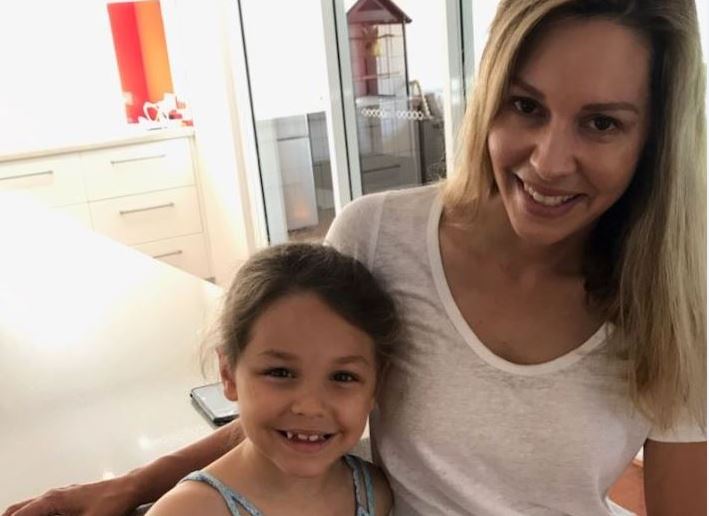
“I sometimes wish I wasn’t the only one in my family with type 1.” It was this simple statement that prompted mum Candice to walk in her six-year-old daughter Mia’s shoes to attempt to discover what life is like living with type 1 diabetes.

Young people are needed for a new Children's Diabetes Centre research study that aims to improve the mental health of teens with type 1 diabetes.
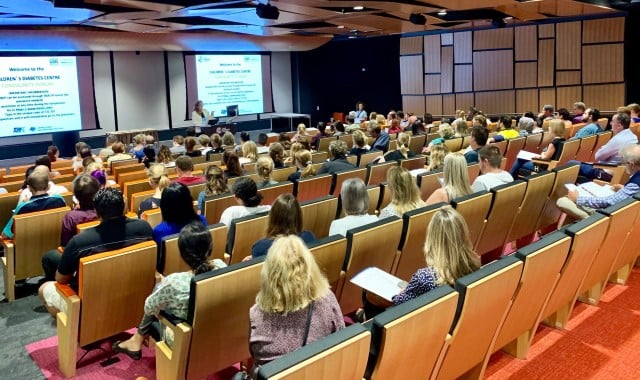
The Children’s Diabetes Centre was honoured to have leading international experts Laurel Messer and Professor Mike Riddell as guest speakers at its community forum and research symposium recently.
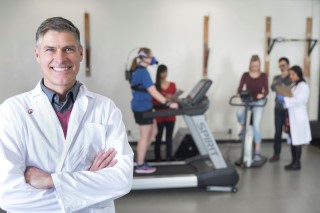
Meet Professor Mike Riddell. Mike is the co-founder of the Physical Activity and Diabetes Unit at York University in Toronto recently visited Perth to share his research on exercise and type 1 diabetes at the Children’s Diabetes Centre Community Forum.