
Search
Showing results for "Professor"
Research
Sunlight, nitric oxide and cardiometabolic dysfunction: exploring beneficial mechanismsPrue Shelley Hart Gorman BSc (Hons) MSc PhD BSc (Hons) PhD Honorary Research Fellow Honorary Research Associate prue.hart@thekids.org.au
Research
Modulation of the immune system by UV radiation: More than just the effects of vitamin D?Humans obtain most of their vitamin D through the exposure of skin to sunlight
Research
Immune mechanisms by which topically applied vitamin D acts as a therapeutic agentVitamin D, nutrition, diet, therapeutic agent
News & Events
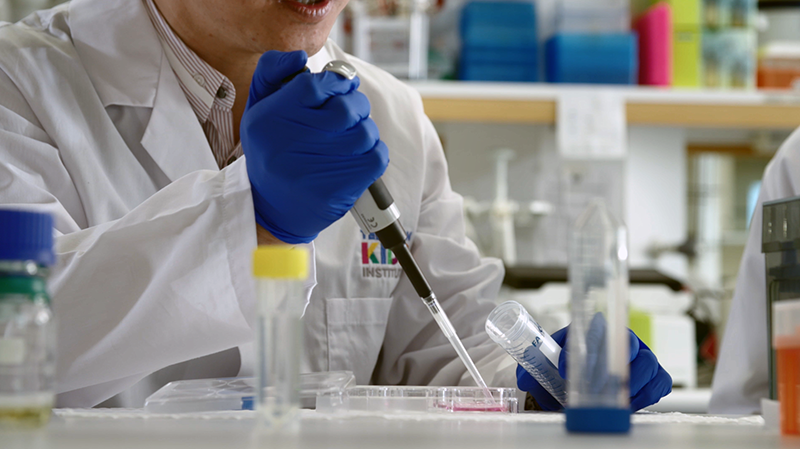
NHMRC funding boost to child health researchThe Kids researchers will use nearly $8.5 million awarded by the National Health and Medical Research Council (NHMRC) to tackle health issues including respiratory disease, brain cancer, vaccination and Aboriginal health.
Research
Dendritic cells and multiple sclerosis: Disease, tolerance and therapyMultiple sclerosis (MS) is a devastating neurological disease that predominantly affects young adults resulting in severe personal and economic impact.
Research
Malaria eradication within a generation: ambitious, achievable, and necessaryMomentum towards eradication has been building for decades, and more than half of the world's countries are now malaria free
News & Events
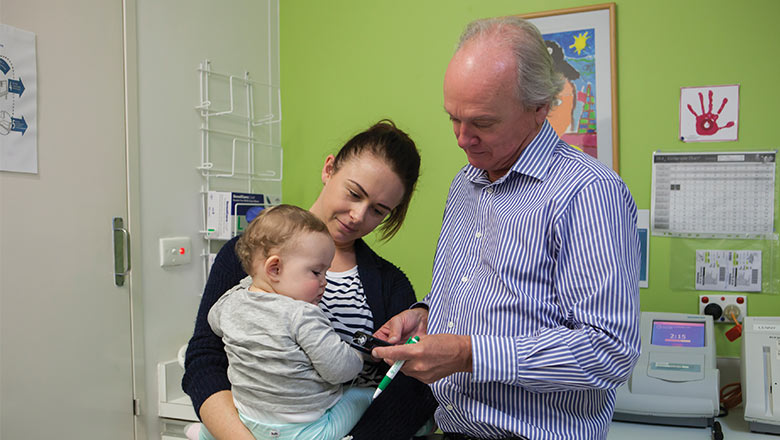
Improving the lives of kids with Type 1 DiabetesDiabetes research got a huge boost when the WA Children’s Diabetes Research and Education Centre for Research Excellence opened late last year.
Research
Continuous glucose monitoring has an increasing role in pre-symptomatic type 1 diabetes: Advantages, limitations, and comparisons with laboratory-based testingType 1 diabetes is well-recognised as a continuum heralded by the development of islet autoantibodies, progression to islet autoimmunity causing beta cell destruction, culminating in insulin deficiency and clinical disease. Abnormalities of glucose homeostasis are known to exist well before the onset of typical symptoms.
Research
An archetypes approach to malaria intervention impact mapping: a new framework and example applicationAs both mechanistic and geospatial malaria modeling methods become more integrated into malaria policy decisions, there is increasing demand for strategies that combine these two methods. This paper introduces a novel archetypes-based methodology for generating high-resolution intervention impact maps based on mechanistic model simulations. An example configuration of the framework is described and explored.
Research
Decreased occurrence of ketoacidosis and preservation of beta cell function in relatives screened and monitored for type 1 diabetes in Australia and New ZealandIslet autoantibody screening of infants and young children in the Northern Hemisphere, together with semi-annual metabolic monitoring, is associated with a lower risk of ketoacidosis (DKA) and improved glucose control after diagnosis of clinical (stage 3) type 1 diabetes (T1D). We aimed to determine if similar benefits applied to older Australians and New Zealanders monitored less rigorously.