
Search
Melissa Penny PhD, PD, BSc (Hons) Professor Fiona Stanley Chair in Child Health Research melissa.penny@thekids.org.au Professor Fiona Stanley Chair
Assessing obstructive sleep apnoea in children involves various methodologies, including sleep studies, nocturnal oximetry, and clinical evaluations. Previous literature has extensively discussed these traditional methods.
Personal protective equipment is essential to protect healthcare workers when exposed to aerosol-generating procedures in patients with airborne respiratory pathogens.
Promoting wellbeing for youth is a global health priority and young people with chronic conditions demonstrate disproportionately low wellbeing compared to their peers. However, wellbeing is variably defined, and little is understood as to what wellbeing means for this population. The aim of this study was to develop a conceptualisation of wellbeing that is rooted in the perspectives of young people with chronic conditions.
Although most people born this century will be educated in African schools, these schools often lack basic infrastructure, such as electricity and/or lighting. In the face of a rapidly growing school-age population in Africa, the electrification of educational facilities is not just an infrastructural challenge but also a pivotal investment in the continent’s future workforce.
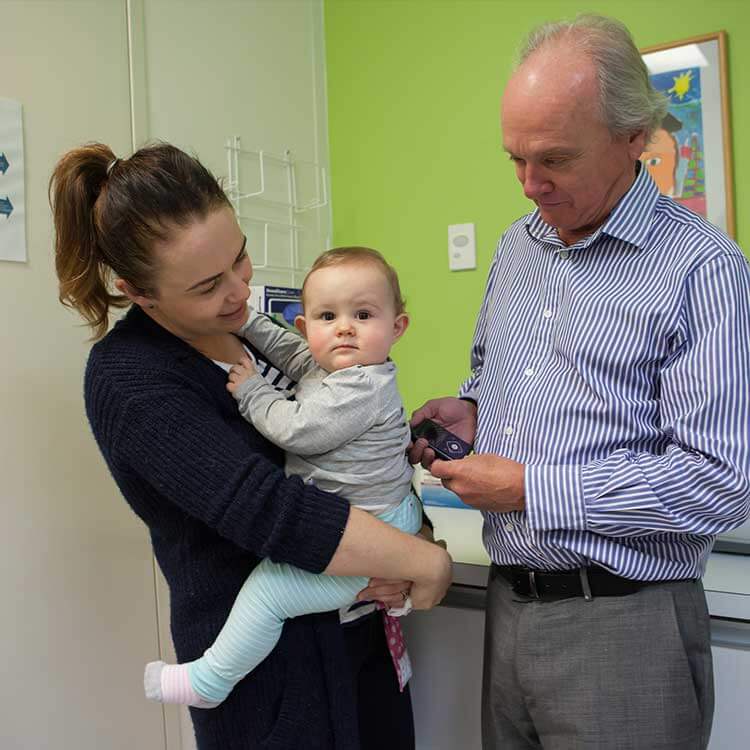
What would you discover to help a child? At The Kids, our researchers are committed to Type 1 Diabetes research that makes a real difference.
Type 1 diabetes and diabetic ketoacidosis (DKA) have a significant impact on individuals and society across a wide spectrum. Our objective was to utilize machine learning techniques to predict DKA and HbA1c>7 %.
This study evaluated the clinical utility of the Parent Listening and Understanding Measure (PLUM) questionnaire as a potential screening tool for otitis media (OM) and associated hearing loss in Aboriginal and/or Torres Strait Islander and non-Aboriginal children.
A considerable proportion of patients with type 1 diabetes (T1D) experience emotional problems due to the continual demands of the disease, which may persist throughout life without appropriate support. The aim of this study was to assess the feasibility and acceptability of an Acceptance and Commitment Therapy (ACT) intervention and provide early indications of its capacity to impact psychosocial outcomes for adolescents with T1D.
Rett syndrome (RTT) is a severe neurodevelopmental disorder affecting predominantly females and associated with variants in the MECP2 gene. Recent success in clinical trials have resulted in an expanded use of the Rett Syndrome Behaviour Questionnaire (RSBQ) for clinical and research purposes.

What would you discover to help a child? At The Kids, our researchers are committed to Cystic Fibrosis research that makes a real difference.
Regular exercise can be beneficial for people living with a severe mental illness. By better understanding the perspectives and challenges of adults with severe mental illness who are engaged in exercise, we can enhance the design and implementation of exercise programs to better support their mental health and recovery.
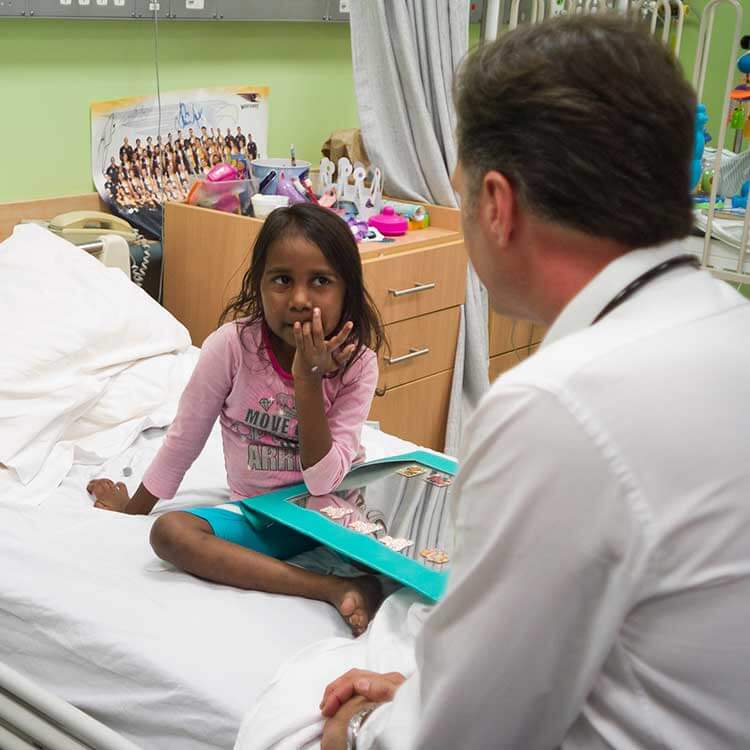
What would you discover to help a child? At The Kids, our researchers are committed to Rheumatic heart disease research that makes a real difference.
We will get through this, but only if we do it together. We hope we can count on you.
Discover the stories of children whose lives have been impacted by Telethon Kids Institute research.
Carrington Fiona Shepherd Stanley PhD FAA FASSA MSc MD FFPHM FAFPHM FRACP FRANZCOG HonDSc HonDUniv HonFRACGP HonMD HonFRCPCH HonLLB (honoris causa)
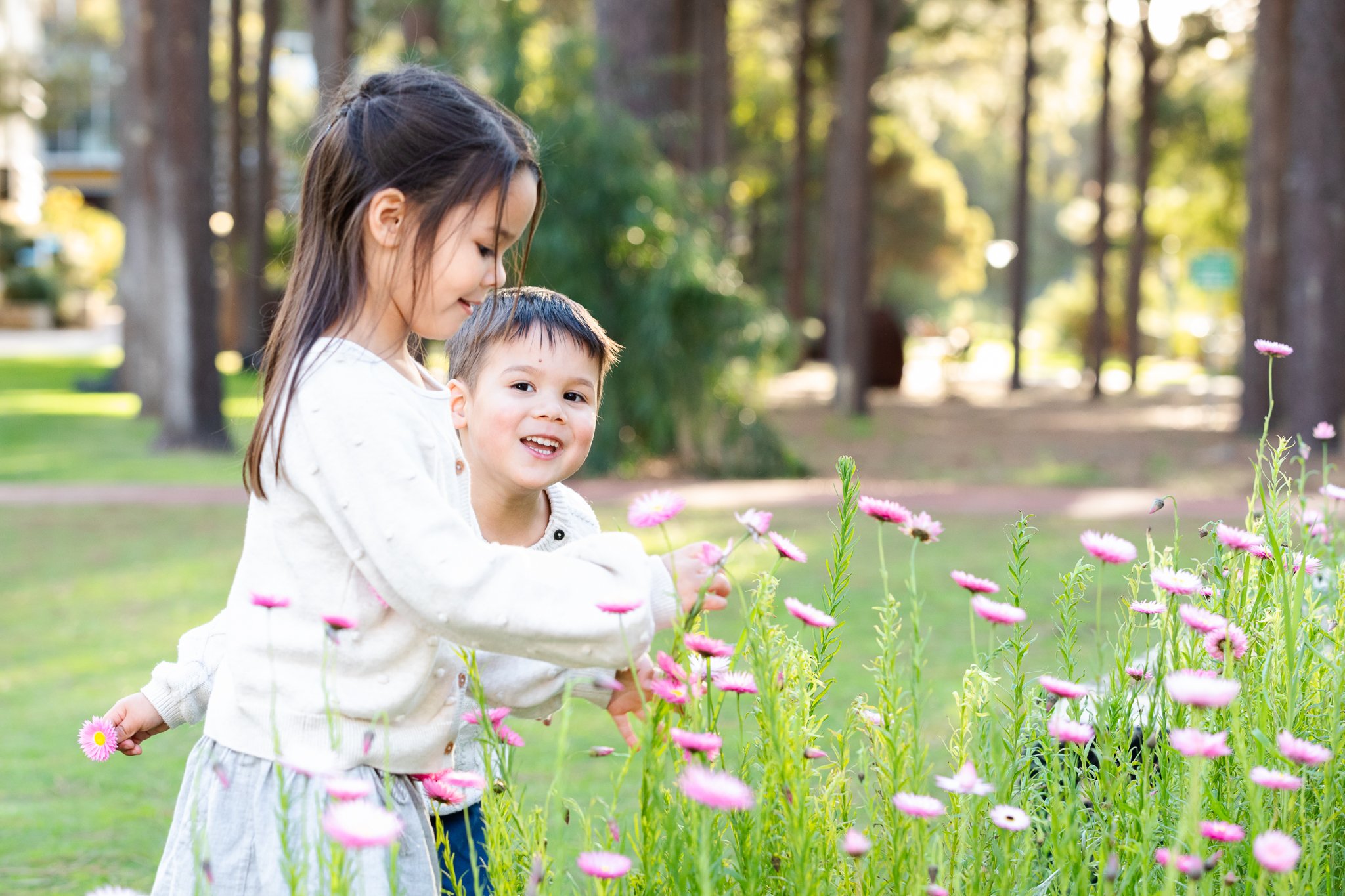
The ultimate goal of ORIGINS is to reduce the rising epidemic of non-communicable diseases through 'a healthy start to life'.
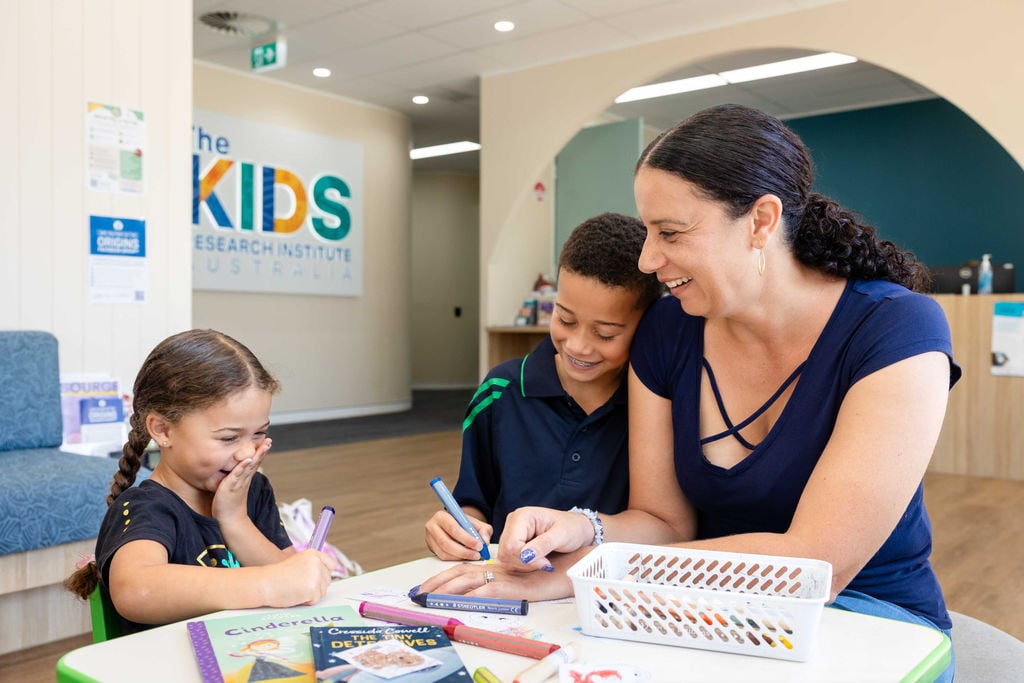
Get in touch with ORIGINS via email, phone, or visit us at The Kids Research Institute Australia in Edgewater or Nedlands.
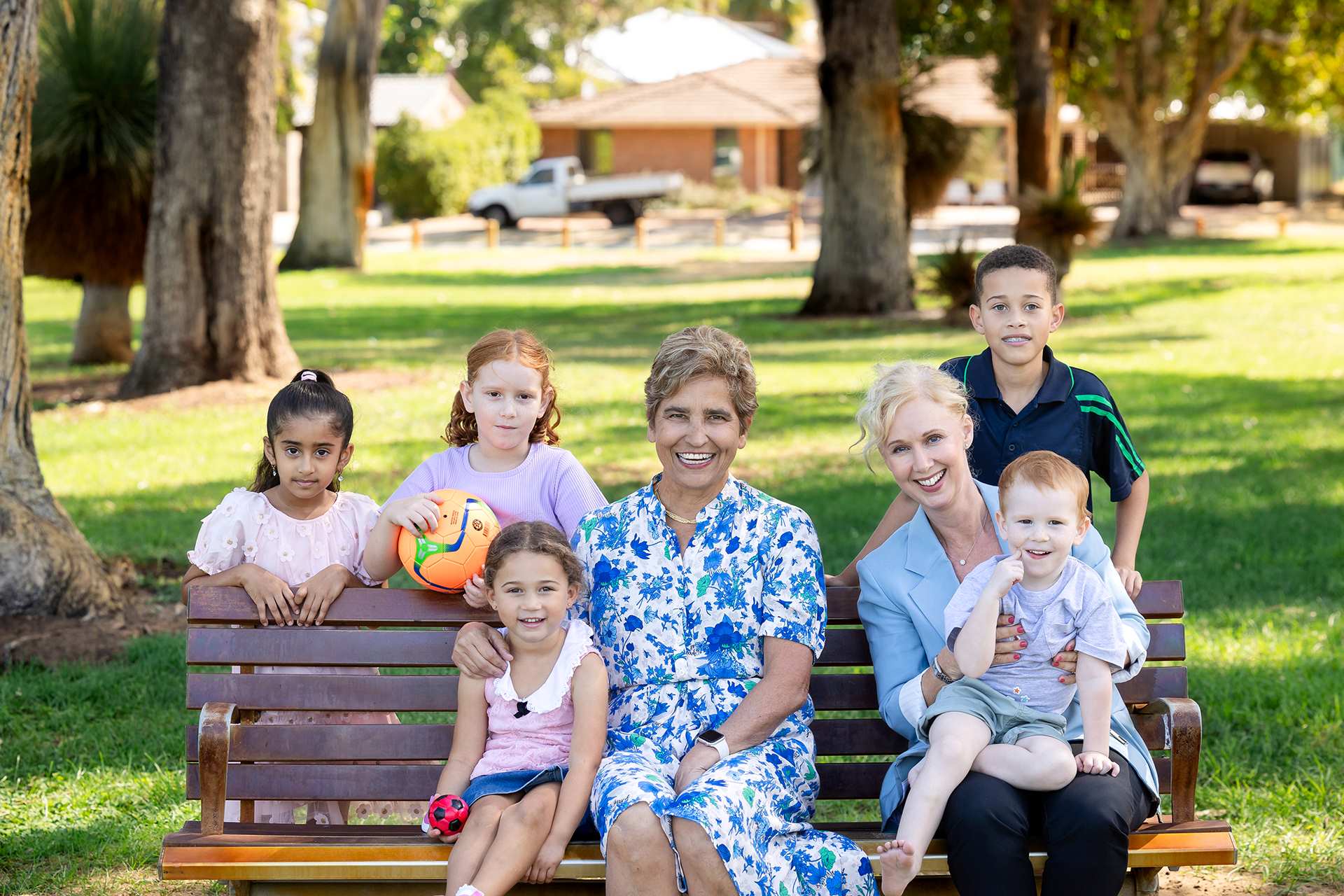
Our vision: lifelong flourishing for children and their families
Find out more about the activities and highlights of ORIGINS.