
Search
Showing results for "grants"
News & Events
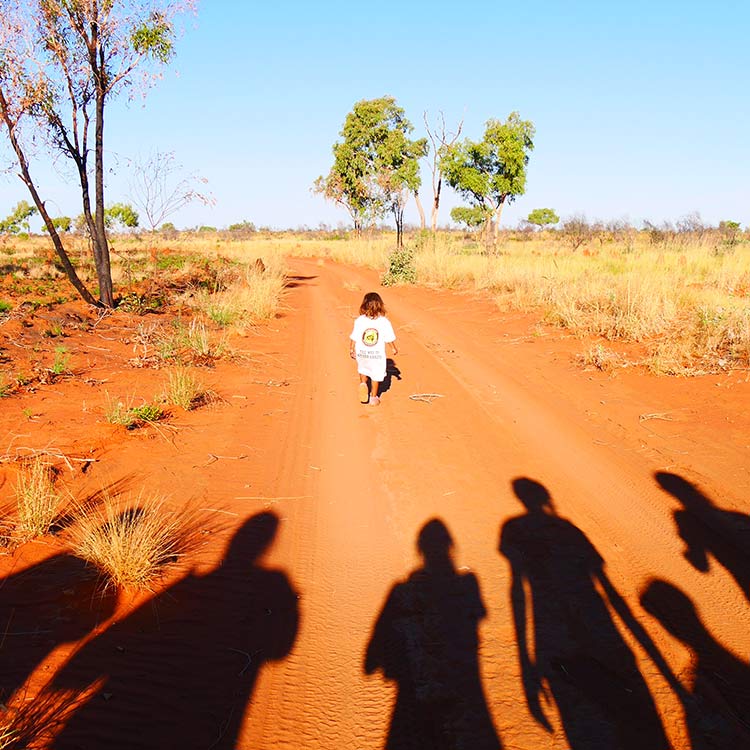
Top scientist recruited to WA for HOT NORTH FellowshipThe Kids has recruited Dr Timothy Barnett to embark on a Fellowship to help close gaps in health outcomes between Indigenous and non-indigenous kids
Research
The course and prognostic capability of motor difficulties in infants showing early signs of autismDelays within the motor domain are often overlooked as an early surveillance marker for autism. The present study evaluated motor difficulties and its potential as an early predictive marker for later autism likelihood in a cohort of infants showing early behavioral signs of autism aged 9-14 months. The motor domain was evaluated using the motor subscales of the Mullen Scales of Early Learning at baseline, and at a 6-month follow-up.
Research
Influenza vaccine effectiveness and uptake in children at risk of severe diseaseParticipation in the preschool influenza vaccination program remains low with parents unconvinced of the benefits and safety of influenza vaccine
Research
A randomised controlled trial of an iPad-based application to complement early behavioural intervention in Autism Spectrum DisorderTechnology-based interventions may provide a relatively low-cost addition to existing therapist-delivered interventions for children with ASD
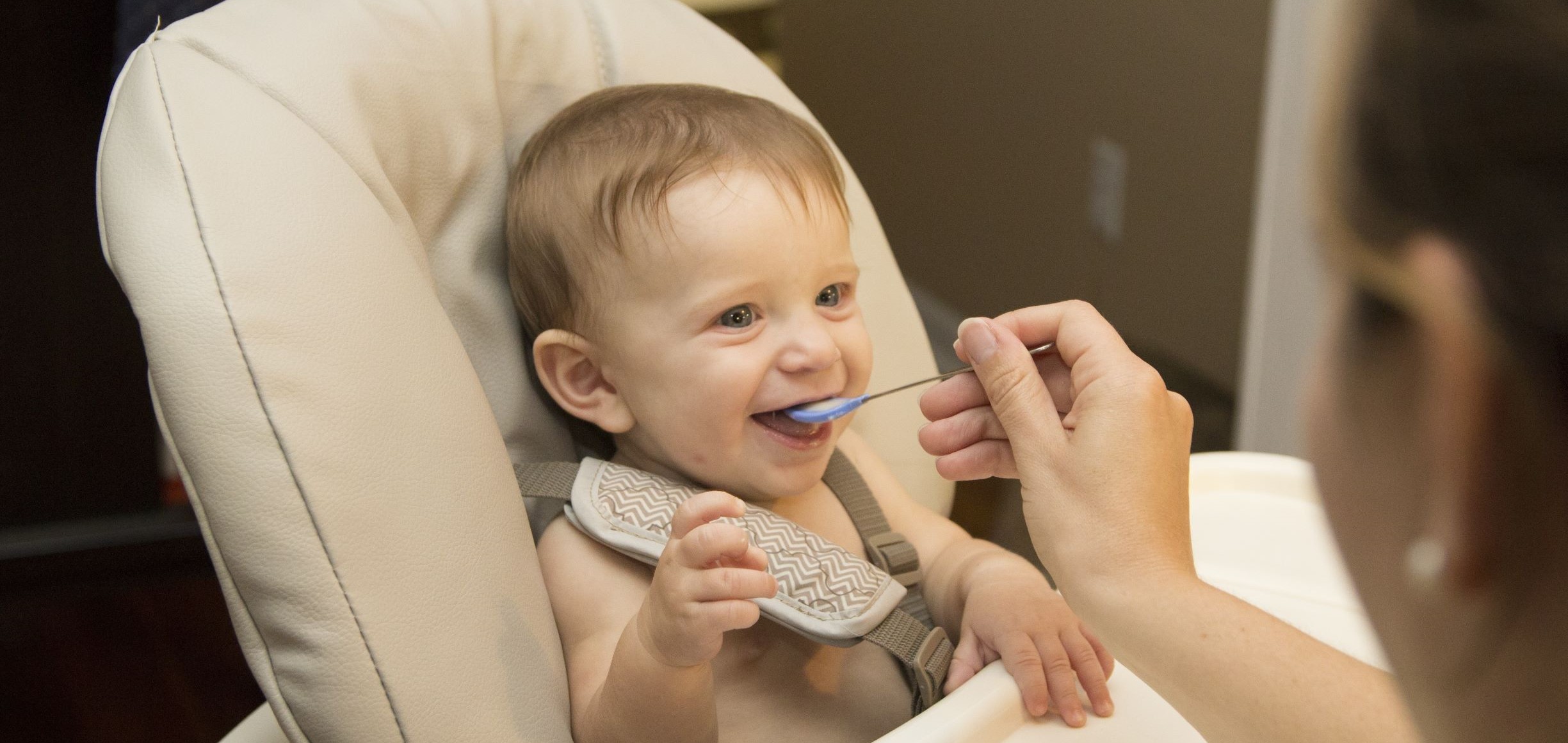
A dramatic rise in food allergies over the past 20 years had Australian medical professionals scratching their heads, with three in every ten babies born each year developing food-related allergy or eczema.
Research
Clinical utility of the parent listening and understanding measure (PLUM) for Aboriginal and/or Torres Strait Islander and non-Aboriginal children with otitis media living in urban areasThis study evaluated the clinical utility of the Parent Listening and Understanding Measure (PLUM) questionnaire as a potential screening tool for otitis media (OM) and associated hearing loss in Aboriginal and/or Torres Strait Islander and non-Aboriginal children.
Research
Estimated Therapy Costs and Downstream Cost Consequences of iBASIS-Video Interaction to Promote Positive Parenting Intervention vs Usual Care Among Children Displaying Early Behavioral Signs of Autism in AustraliaThe growing global prevalence of autism spectrum disorder is associated with increasing costs for support services. Ascertaining the effects of a successful preemptive intervention for infants showing early behavioral signs of autism on human services budgets is highly policy relevant.
Research
Long-term outcomes of symptomatic optic pathway glioma: 32-year experience at a single Western Australian tertiary pediatric oncology centerOptic pathway gliomas (OPGs) are associated with significant risk of visual and endocrine morbidity, but data on long-term outcomes in symptomatic patients is sparse. This study reviews the clinical course, disease progression, survival outcomes and long-term sequelae in pediatric patients with symptomatic OPGs in our institution over three decades.
Research
Interobserver Agreement When Diagnosing Hypoventilation in Children With Neuromuscular DisordersNeuromuscular disorders can lead to nocturnal hypoventilation. Accurate diagnosis of hypoventilation is imperative to guide treatment decisions. This study determined interobserver agreement for a number of definitions of nocturnal hypoventilation in children and adolescents with neuromuscular disorders.
Research
Psychometric properties of QI-Disability in CDKL5 Deficiency Disorder: Establishing readiness for clinical trialsCDKL5 Deficiency Disorder (CDD) is a rare genetic disorder with symptoms of epilepsy, developmental impairments, and other comorbidities. Currently, there are no outcome measures for CDD with comprehensive evidence of validation. This study aimed to evaluate the psychometric properties of the Quality of Life Inventory-Disability (QI-Disability) in CDD. Quality of Life Inventory-Disability was administered to 152 parent caregivers registered with the International CDKL5 Disorder Database (ICDD).