
Search
Showing results for "Study of bullying"

The deadline for ATAR exam special provisions is still open for newly diagnosed Type 1 Diabetes patients.
Brain cancer and leukemia are the most common cancers diagnosed in the pediatric population and are often treated with lifesaving chemotherapy. However, chemotherapy causes severe adverse effects and chemotherapy-induced peripheral neuropathy (CIPN) is a major dose-limiting and debilitating side effect.
Although eye abnormalities are reported in fetal alcohol spectrum disorders (FASD), no systematic review based on Preferred Reporting Items for Systematic Reviews and Meta-Analyses guidelines has been undertaken.
Early childhood caries disproportionately affects vulnerable groups and remains a leading cause of preventable hospital admissions for Western Australian children. The Western Australia State Oral Health Plan seeks to improve child oral health through universal and targeted health promotion initiatives with primary caregivers.
Neutrophil elastase is a significant risk factor for structural lung disease in cystic fibrosis, and Pseudomonas aeruginosa airway infection is linked with neutrophilic inflammation and substantial respiratory morbidity. We aimed to evaluate how neutrophil elastase (NE) activity changes after P. aeruginosa eradication and influences early disease outcomes. We assessed participants in the AREST CF cohort between 2000 and 2018 who had P. aeruginosa cultured from their routine annual bronchoalveolar lavage (BAL) fluid and who underwent eradication treatment and a post eradication BAL. Factors associated with persistent P. aeruginosa infection, persistent neutrophilic inflammation following eradication and worse structural lung disease one year post-eradication were evaluated.
We report an 8 year old girl who was diagnosed with THES by the Undiagnosed Disease Program-WA with compound heterozygous pathogenic variants in SKIV2L
There is a critical need for the field to develop and implement strategies to understand the mechanisms underlying all rare diseases and translate these to clinical care
Contact us If you'd like to get in touch, please contact us by phone or email. Phone: 0400 450 240 Email: vtg@thekids.org.au Paediatric Active
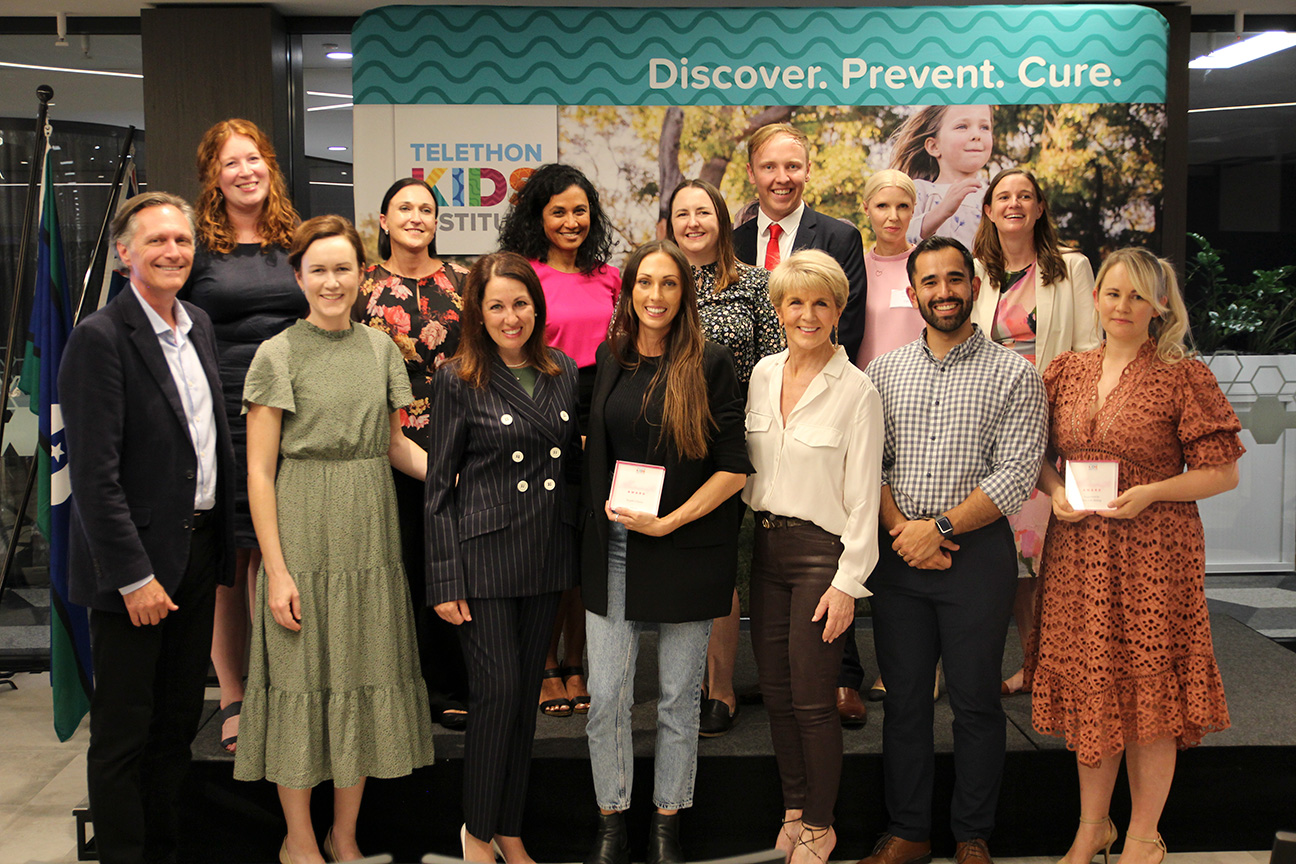
Ten researchers from different areas took to the stage with a carefully crafted presentation and three-minute pitch, in efforts to spark the interest of 80 guests
Here we recognise donors who have made cumulative gifts of $10,000 and above to contribute to children's health research at The Kids Research Institute Australia.