
Search
News & Events
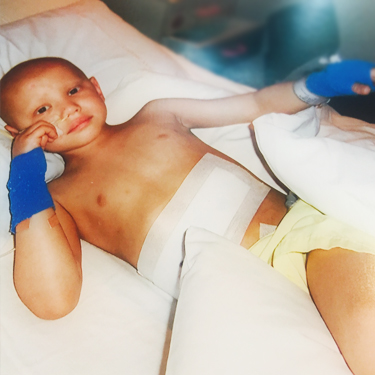
Childhood cancer story: How Rennae's child's cancer diagnosis affected her familyRennae's son Samuel was diagnosed with stage 4 neuroblastoma 13 years ago, and was originally given a 20% chance of survival. She bravely shares their story.
News & Events
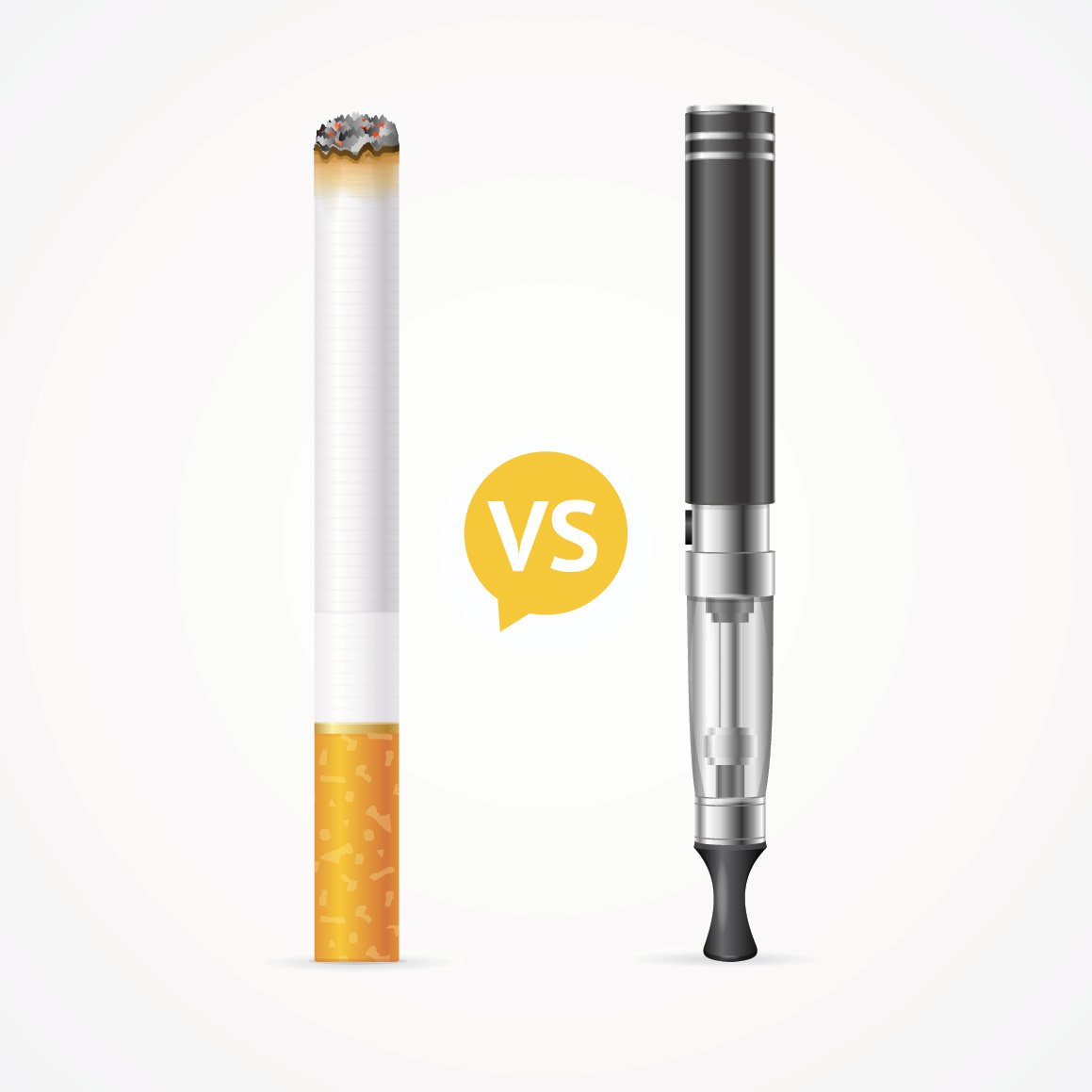
Study shows e-cigarettes can harm lungsA study led by researchers at The Kids Research Institute Australia has shown that electronic cigarettes can cause lung damage.
News & Events
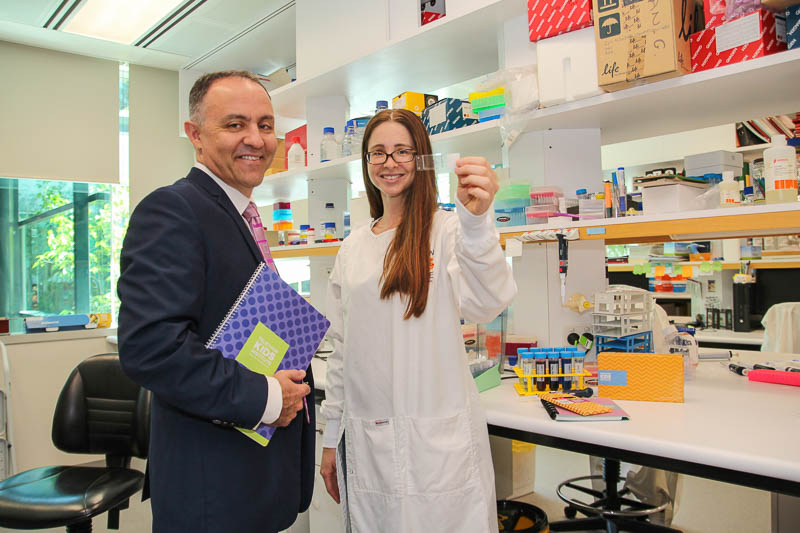
Staples and The Kids Research Institute Australia launch new fundraising range for children's medical researchStaples is launching a new range of office, facility & education products to help support the incredible child health & development research of The Kids.
News & Events
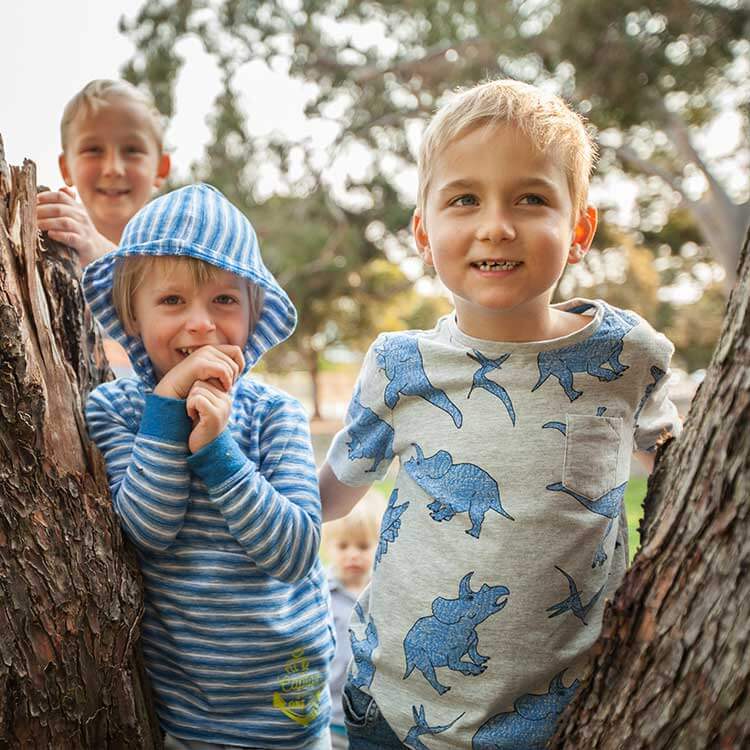
Aussie kids using strengths to overcome hurdlesThe Multiple Strength Indicator is a strength based measure that provides information on children’s developmental strengths as they commence full-time school.
News & Events
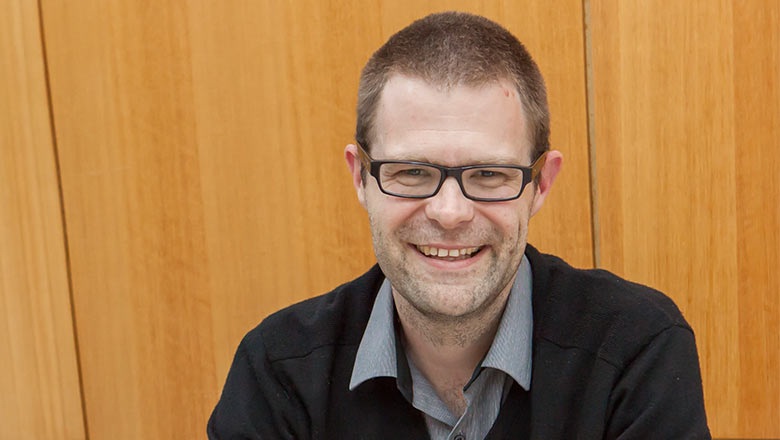
Study sheds new light on the ‘autism epidemic’ mysteryResearchers have shown that the so called 'autism epidemic' is due to an increase in the diagnosis of children with less severe behavioural symptoms.
News & Events
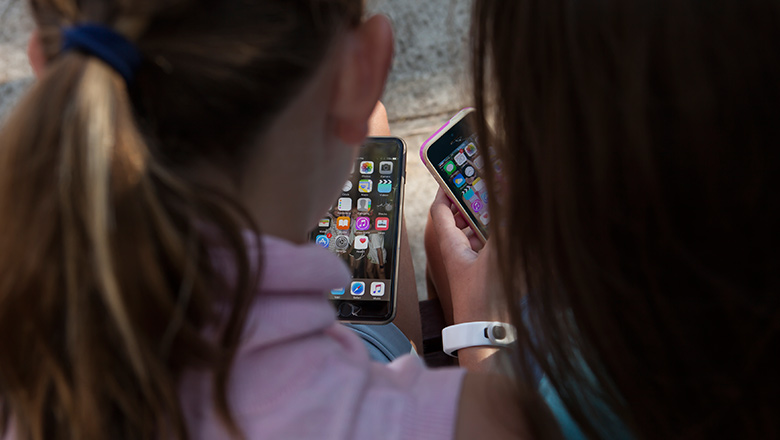
New app helps teens think twiceProfessor Donna Cross’ innovative research aims to protect children from the harmful effects of online bullying.
News & Events
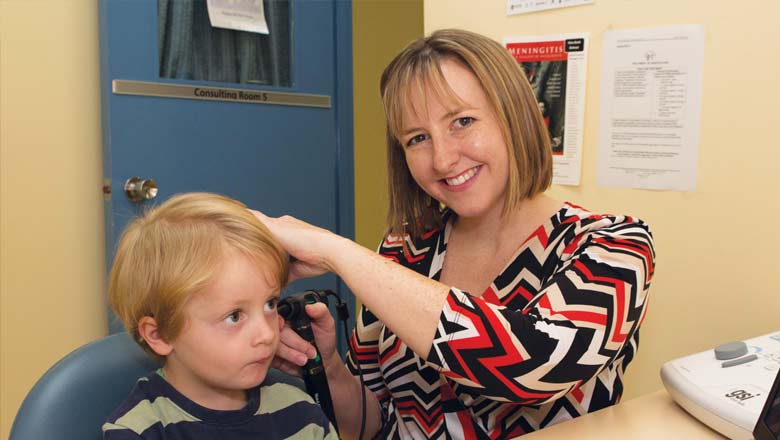
A new job for a specialised drugThe Kids is investigating whether a cystic fibrosis medication may be the answer to ear infections, reducing the need for antibiotics and surgery.
Rett syndrome is a rare but serious neurological disorder that affects about 1 in 9,000 girls. Even more rarely, boys may be affected.
We also wanted to find out whether any particular behaviours were associated with any specific mutation types.
We compared parent/carer-reported physical activities with the number of steps counted by an accelerometer in girls and women with Rett syndrome.