Search
News & Events
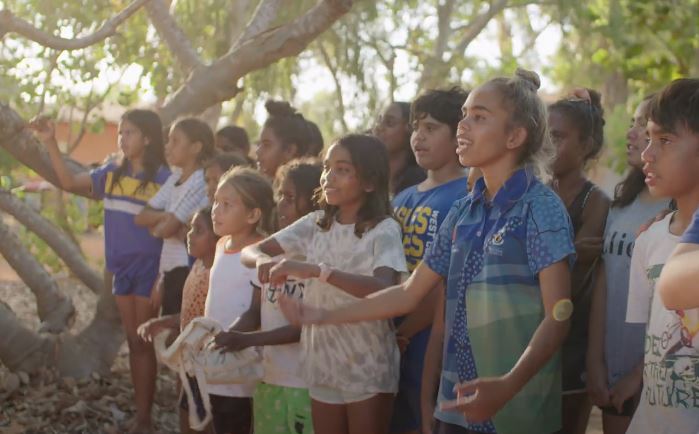
Round one done, eight to go for the SToP TrialSix weeks, nine community visits and 380 kids – it’s a wrap for round one of the StoP Trial!
News & Events
Triple triumph for The Kids at 2025 Premier’s Science AwardsThree researchers from The Kids Research Institute Australia were recognised as being among Western Australia’s brightest and most innovative scientific minds at last night’s 24th Premier's Science Awards.
Research
Streptococcus pyogenes Surveillance Through Surface Swab Samples to Track the Emergence of Streptococcal Toxic Shock Syndrome in Rural JapanJapan recently experienced a record surge in streptococcal toxic shock syndrome. Our environmental surveillance study reveals that Streptococcus pyogenes persists seasonally, peaking in autumn and winter in rural Japan. The dominant emm1 M1UK sublineage and csrS mutations heighten virulence, highlighting the urgent need for targeted surveillance and interventions.
Research
Multi-methods process evaluation of the SToP (See, Treat, Prevent) trial: a cluster randomised, stepped wedge trial to support healthy skinHealthy skin is important for maintaining overall physical and cultural health and wellbeing. However, remote-living Australian Aboriginal children contend with disproportionally high rates of Streptococcus pyogenes (Strep A) infected impetigo.
Research
Scabies and risk of skin sores in remote Australian Aboriginal communities: A self-controlled case series studyThe association between scabies and skin sores is highly significant and indicates a causal relationship
Research
Ascertaining infectious disease burden through primary care clinic attendance among young Aboriginal children living in four remote communities in Western AustraliaImproved public health measures targeting bacterial skin infections are needed to reduce this high burden of skin infections in Western Australia
Research
Burden of skin disease in two remote primary healthcare centres in northern and central AustraliaSkin infections are an under-appreciated and dominant reason for presentation to primary healthcare centres in these indigenous communities
Research
Are scabies and impetigo “normalised”? A cross-sectional comparative study of hospitalised children in northern Australia assessing clinical recognitionScabies and impetigo infections are under-recognised and hence under-treated by clinicians
Research
Continued challenge of rheumatic heart disease: The gap of understanding or the gap of implementation?We still do not have a RF vaccine, although the recent announcement that the Australian and New Zealand governments are jointly sponsoring a program to fast...
Research
Australian Group on Antimicrobial Research surveillance outcome programs - bloodstream infections and antimicrobial resistance patterns from patients less than 18 years of ageFrom 1 January 2020 to 31 December 2021, thirty-eight institutions across Australia submitted data to the Australian Group on Antimicrobial Resistance (AGAR) from patients aged < 18 years (AGAR-Kids). Over the two years, 1,679 isolates were reported from 1,611 patients. This AGAR-Kids report aims to describe the population of children and adolescents with bacteraemia reported to AGAR and the proportion of resistant isolates.