
The burden of seasonal influenza disease in Australian children is substantial, especially for those with medical comorbidities including chronic car…
To identify barriers to influenza vaccination of children hospitalised for acute respiratory illness in Australia. A total of 595 parents of children…
Pregnant women are at higher risk of severe complications following influenza infection compared to the general population. Influenza vaccination dur…
Amidst the evolving COVID-19 pandemic, understanding the transmission dynamics of the SARS-CoV-2 virus is key to providing peace of mind for the comm…
Children with medical comorbidities are at greater risk for severe influenza and poorer clinical outcomes. Despite recommendations and funding, influ…
In many countries, influenza vaccination is routinely recommended during any stage of pregnancy, yet uptake remains low, particularly in the first tr…
Parainfluenza viruses are significant contributors to childhood respiratory illness worldwide, although detailed epidemiological studies are lacking.…
In a community-based birth cohort of 158 Australian infants followed to age 2 years, the incidence rate of human parainfluenza virus (HPIV) was 0.42…
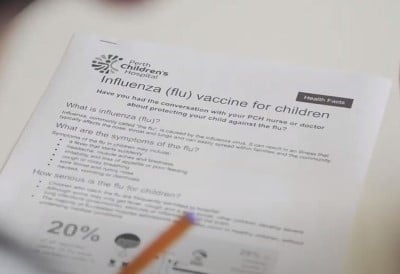
Western Australia has experienced historically low levels of respiratory syncytial virus (RSV) and influenza this winter due to the public health mea…
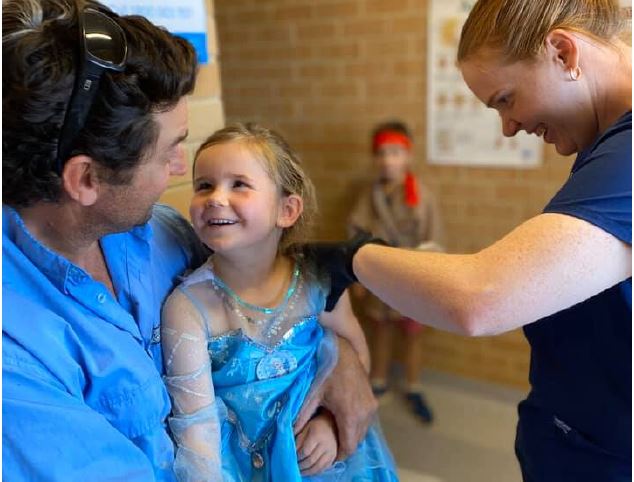
Infectious disease researchers who used a decade of scientific evidence to advocate for a nationwide childhood influenza immunisation policy have ear…