
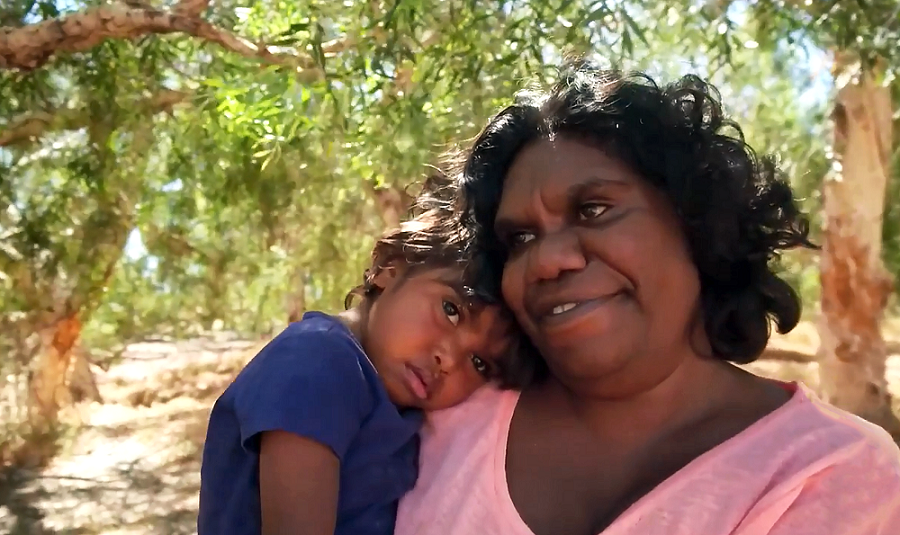
To mark International FASD Awareness Day, The Kids will launch a series of health promotion videos that feature local Aboriginal community members.
Children with FASD have more teacher-reported behavioral impairment than children without FASD. In remote Australian communities, academic performanc…
Children who were exposed to a maternal alcohol use disorder had significantly increased odds of contact with the justice system.
Recent research, using objective 3-dimensional facial imaging, has found differences between the facial shape of individuals with FAS and the facial…
To examine the association between dose, frequency, and timing of prenatal alcohol exposure and craniofacial phenotype in 12-month-old children.
Maternal alcohol use disorder was associated with a significantly increased odds of poor school attendance for non-Indigenous and Indigenous children.

Researchers from The Kids Research Institute Australia are running a school program designed to help children adjust their levels of alertness and at…

Expected to shine a light on hidden harm from alcohol use during pregnancy, Australia’s first national FASD diagnostic tool has been developed by the…
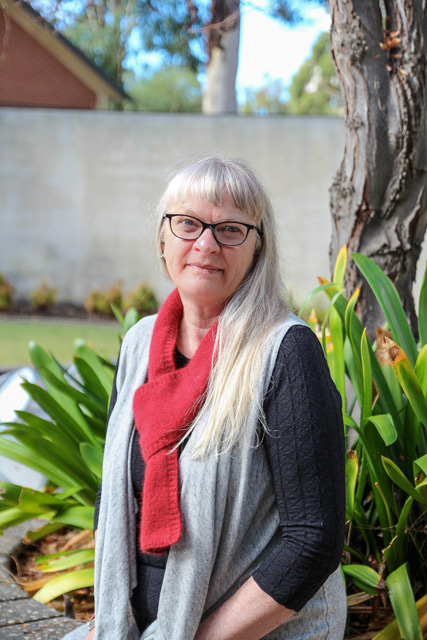
Strong support and high demand has led to the early release of an Institute-developed learning package designed to empower midwives to tackle FASD.
Early intervention services are needed to support developmentally vulnerable children in remote communities.