
Search

New research has found children who are born even slightly premature or underweight are more likely to be hospitalised with an infection during their childhood
This project analysed AEDC results across Australia, to identify communities with significant improvement (decreases in developmental vulnerability) between 2009 and 2012
Improving glycaemic control in people with Type 1 diabetes is known to reduce complications.
Mothers of children with intellectual disability or autism spectrum disorder (ASD) have poorer health than other mothers.
Higher urinary albumin excretion, even within the normal range, is associated with early atherosclerosis
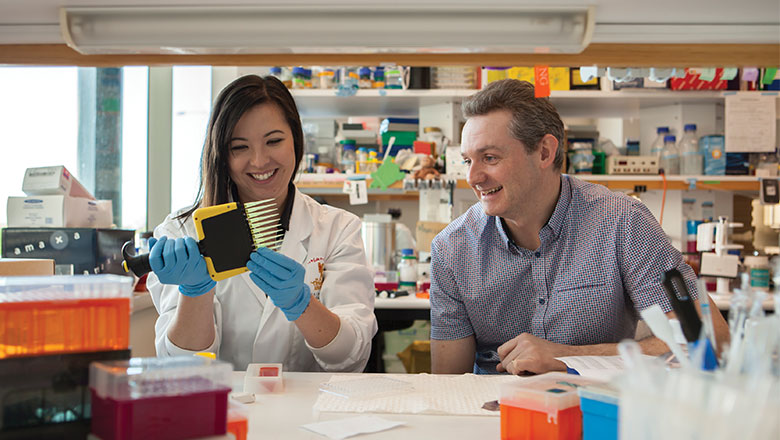
Dr Nick Gottardo and Dr Raelene Endersby from The Kids Research Institute Australia are the driving force behind an innovative, global action group on child brain cancer.
The purpose of this study was to examine whether teachers’ reports of relationship quality were associated with children's behaviour and gender.
Socio-environmental factors, including the neighbourhoods in which children live and grow, are key determinants of children's developmental outcomes.
This study investigated the likelihood of children showing problems with parent-rated physical aggression, and on the severity of problems, for 374 children.
Purging at age 17 and externalising behaviour problems at age 14 were the strongest predictors of eating disorder persistence to age 20.

Professor Donna Cross’ innovative research aims to protect children from the harmful effects of online bullying.
This report provides the technical details for the methodology calculated to determine "how big" a difference in the AEDI results between 2009 and 2012 is...
All alterations to lung mechanics following in utero arsenic exposure were recovered by adulthood.
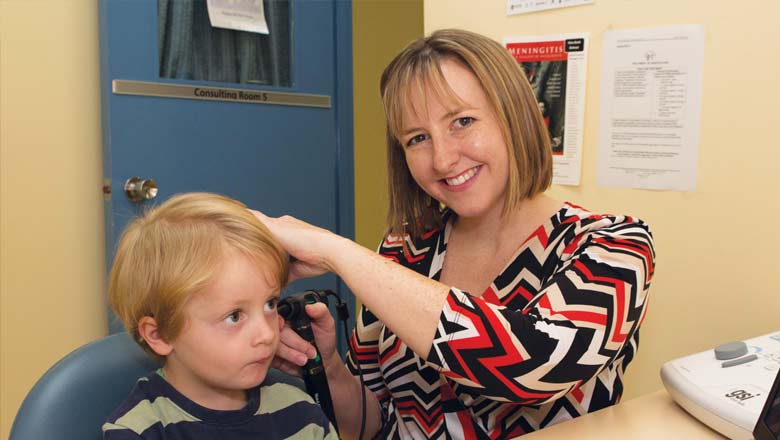
The Kids is investigating whether a cystic fibrosis medication may be the answer to ear infections, reducing the need for antibiotics and surgery.
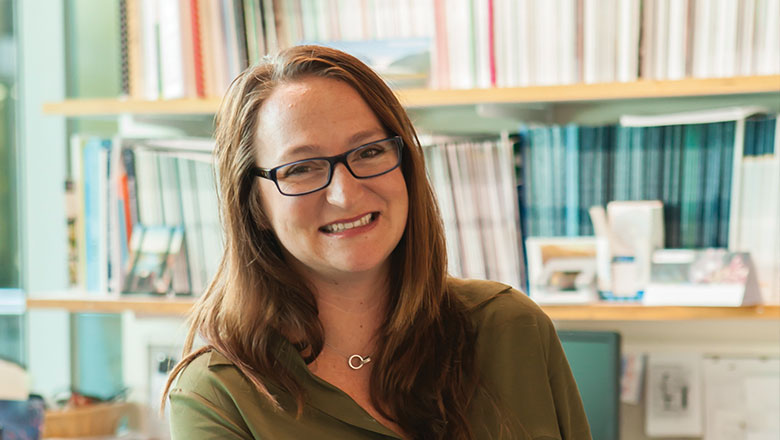
Mapping when Respiratory Syncytal Virus (RSV) reaches its seasonal peak will assist how future vaccination programs are carried out.
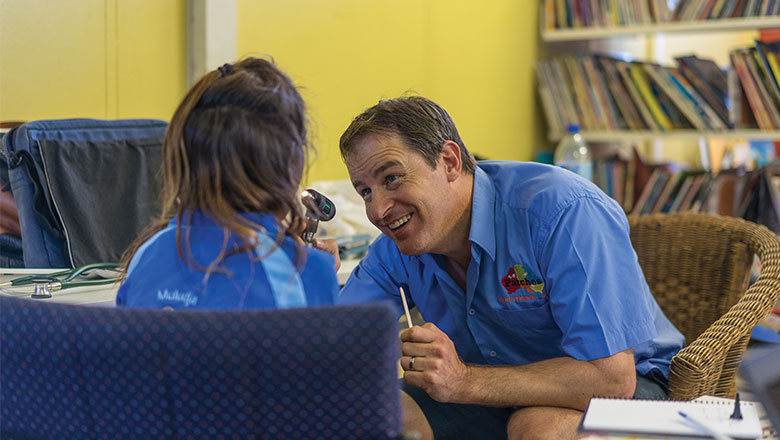
The Make FASD History campaign, led by community researchers and The Kids Research Institute Australia, has made huge inroads into prevention, diagnosis and therapy.