
Search
Showing results for "Study of bullying"
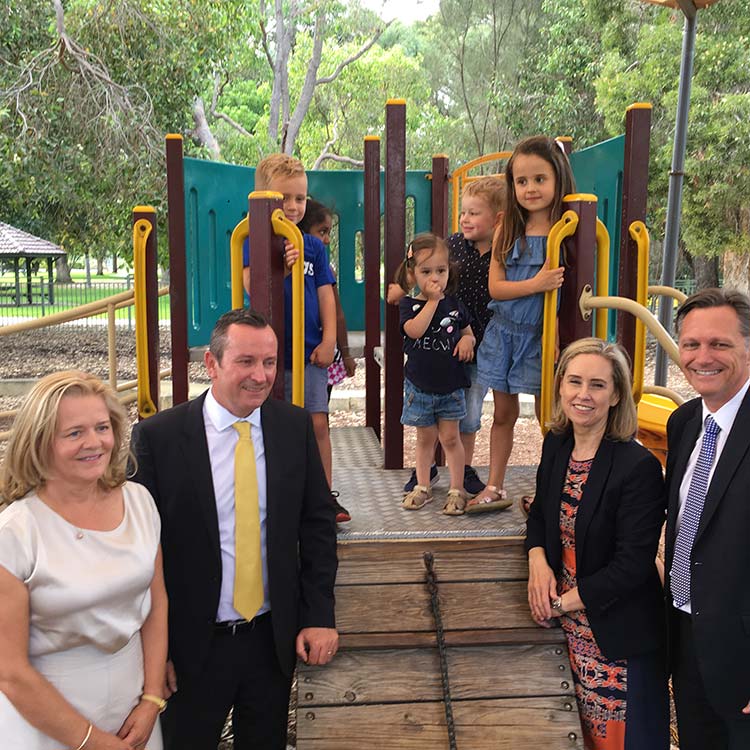
Minderoo Foundation and The Kids Research Institute Australia are proud to partner with the Western Australian Government on an unprecedented $49.3 million commitment to
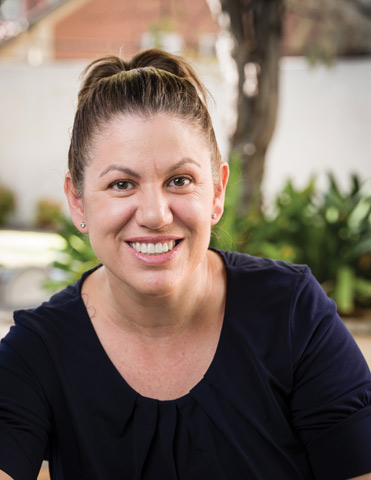
Researchers working on the Developmental Pathways Project are determined to find out what makes families vulnerable to child abuse and neglect.

The Kids Research Institute Australia researchers have been awarded more than $10 million in research funding from the National Health and Medical Research Council (NHMRC).
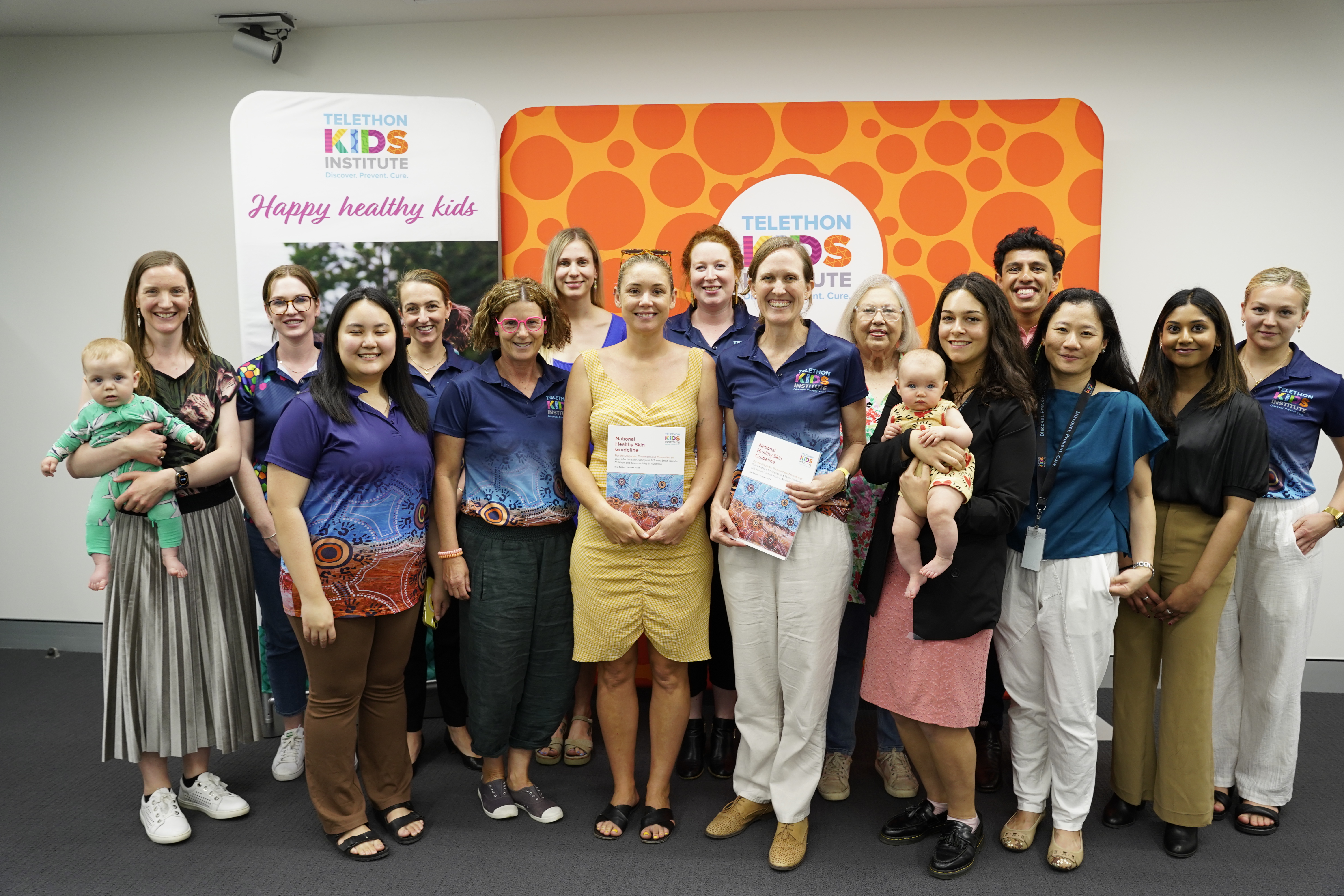
A new National Healthy Skin Guideline has been launched by The Kids Research Institute Australia, to help health care providers identify, diagnose and treat a range of skin conditions experienced by Aboriginal and Torres Strait Islander people in urban and remote areas.
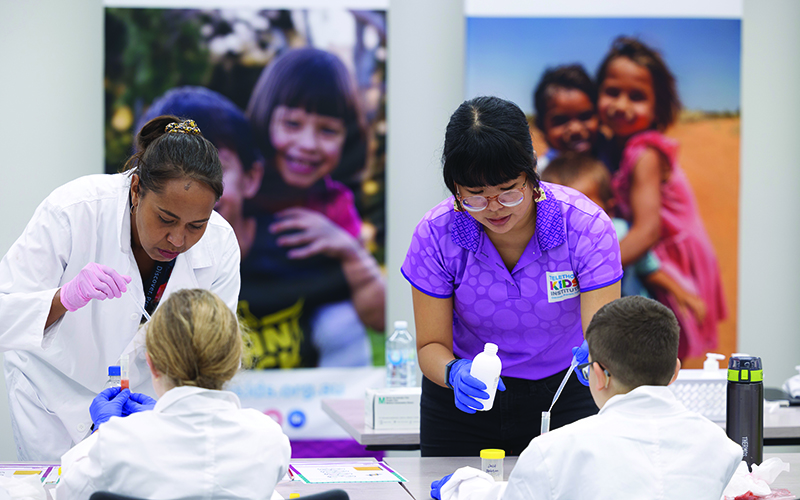
Strawberries, slime and sliced bread are being used as tools to educate and inspire the next generation of researchers, as part of the The Kids Discovery Centre Schools & Outreach Program.
Pathogenic variants in the cyclin-dependent kinase-like 5 (CDKL5) gene are associated with CDKL5 deficiency disorder (CDD), a severe X-linked developmental and epileptic encephalopathy.
Adaptations for scale-up are ubiquitous but are rarely described in detail. Adaptations may be a key reason for the "scale-up penalty" which is when there is a reduction in intervention effect size following scale-up. The Play Active intervention consists of a physical activity policy for early childhood education and care (ECEC) services, with accompanying implementation support strategies.
We introduce C1 CAGE, a method for the detection of transcript 5'-ends with an original sample multiplexing strategy in the C1TM microfluidic system
The results showed that Tasmania's Child and Family Centres had a positive impact on parents' use and experiences of services and supports for young children.
The Opportunity BEAT CF is a national, 5 year, multi-centre platform trial to improve the management of children and adults with Cystic Fibrosis. Be