
Search
Showing results for "Study of bullying"
A robust understanding of the cellular mechanisms underlying diseases sets the foundation for the effective design of drugs and other interventions. The wealth of existing single-cell atlases offers the opportunity to uncover high-resolution information on expression patterns across various cell types and
School-based nutrition education (NE) has an important role in promoting healthy eating habits and helping prevent chronic diseases – particularly among disadvantaged children and youth who are more likely to experience poor diet quality.
Vitamin D research can vary geographically, as vitamin D status is influenced by latitude, season, dietary intake, body mass index, ethnicity, and public health initiatives. Over the last two decades, research on vitamin D has increased in Australia, where the potential for sun exposure (a major source of vitamin D) is high. We aimed to identify key topics and gaps in vitamin D research in Australia using a data-driven approach.
Early childhood education and care (ECEC) services are a key setting to support improvements in the physical activity of young children. This umbrella review gathered and synthesised systematic review evidence of the effectiveness of interventions in the ECEC setting on the physical activity levels of children aged 0–6.
Antimicrobial resistance poses a significant threat to modern healthcare as it limits treatment options for bacterial infections, particularly impacting those with chronic conditions such as cystic fibrosis (CF). Viscous mucus accumulation in the lungs of individuals genetically predisposed to CF leads to recurrent bacterial infections, necessitating prolonged antimicrobial chemotherapy. Pseudomonas aeruginosa infections are the predominant driver of CF lung disease, and airway isolates are frequently resistant to multiple antimicrobials.
Allergies are mediated by several immunological mechanisms that make different contributions in different patients.
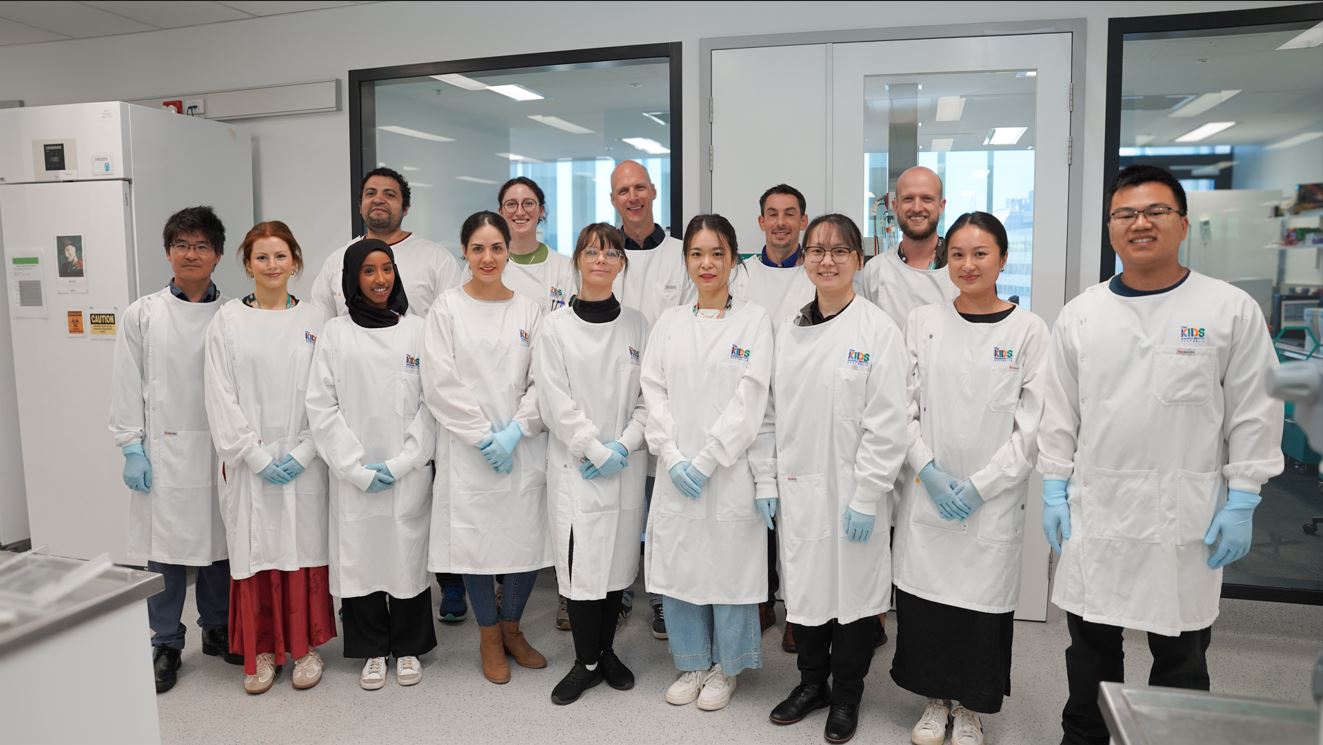
We aim to discover and develop safer and more effective treatments by doing inventive and rigorous research to improve outcomes for kids with cancer.
coordinator clinical trial
clinical trial coordinator
Assist Research Focus Area Heads in developing "Big Ideas" proposals to meet the Institute's strategic goals.