
Search
Showing results for " https://www.galaxus.ch/en/sector/showdiscussion/360hack360-com-visit-kunghaccom-whd8eez7-223334"

Antibiotic dysbiosis and probiotics trial on infants
Chronic suppurative otitis media (CSOM), sometimes referred to as chronic otitis media (COM), is a chronic inflammation and often polymicrobial infection of the middle ear and mastoid cavity, characterised by ear discharge (otorrhoea) through a perforated tympanic membrane. The predominant symptoms of CSOM are ear discharge and hearing loss. Topical antiseptics, a possible treatment for CSOM, inhibit the micro-organisms that may be responsible for the infection. Antiseptics can be used alone or in addition to other treatments for CSOM, such as antibiotics or ear cleaning (aural toileting). However, the effects of topical antiseptics for CSOM remain unclear. This is an update of a review last published in 2020, with one new study added. It is one of a suite of seven Cochrane reviews evaluating the effects of non-surgical interventions for CSOM
Chronic suppurative otitis media (CSOM), sometimes referred to as chronic otitis media (COM), is a chronic inflammation and often polymicrobial infection of the middle ear and mastoid cavity, characterised by ear discharge (otorrhoea) through a perforated tympanic membrane. The predominant symptoms of CSOM are ear discharge and hearing loss. Topical antiseptics, a possible treatment for CSOM, inhibit the micro-organisms that may be responsible for the infection. Antiseptics can be used alone or in addition to other treatments for CSOM, such as antibiotics or ear cleaning (aural toileting). However, the effects of topical antiseptics for CSOM remain unclear. This is an update of a review last published in 2020, with one new study added. It is one of a suite of seven Cochrane reviews evaluating the effects of non-surgical interventions for CSOM
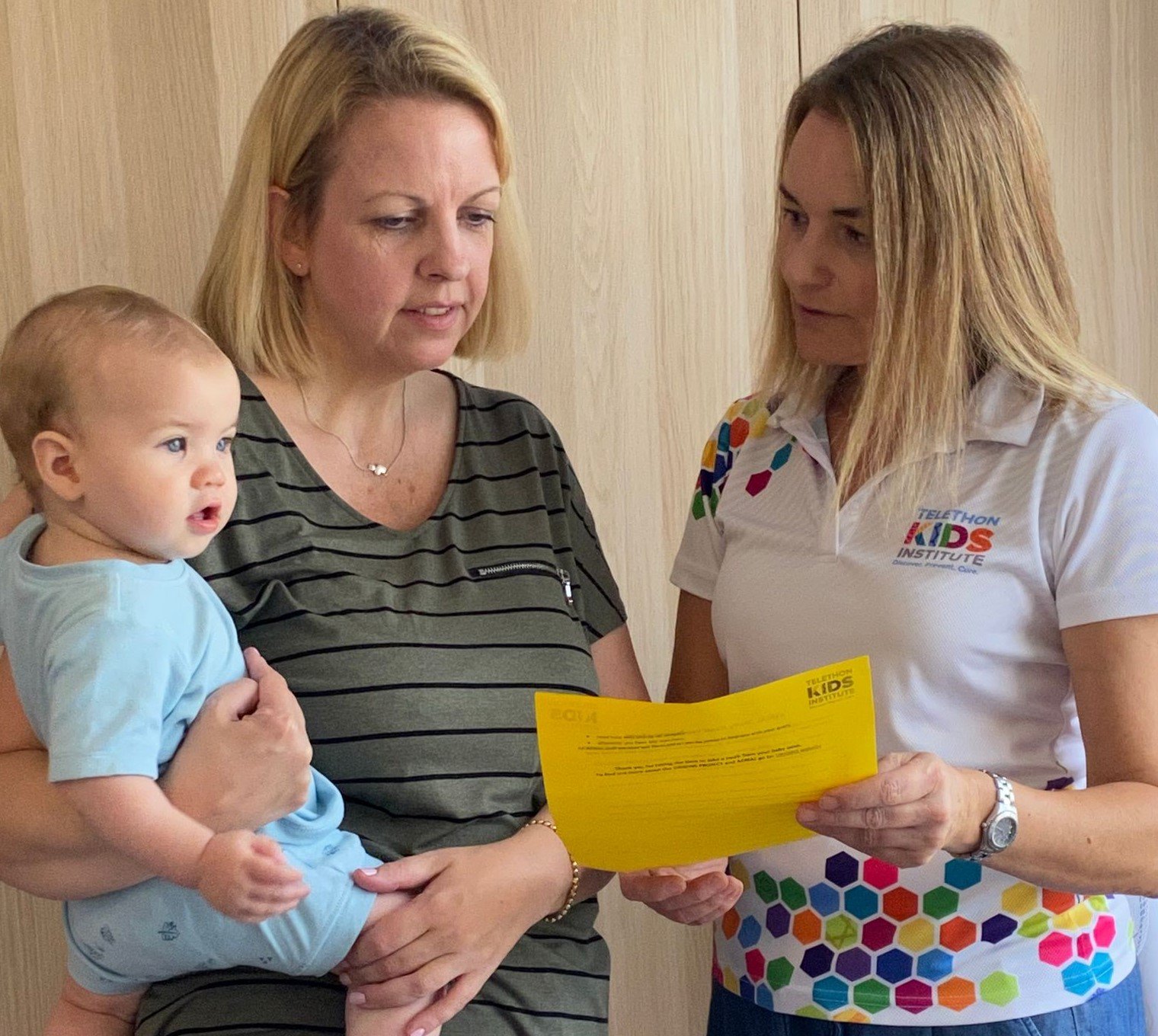
Find answers to frequently asked questions about ORIGINS.
Research has identified a critical genetic risk factor for a potentially fatal parasitic disease that affects up to 400 thousand people a year, mostly children.
Contact us If you'd like to get in touch, please contact us by phone or email. Phone: 0400 450 240 Email: vtg@thekids.org.au PAEDS Paediatric Active
The typical number of visits to health professionals by children with mental disorders during a 12-month period is relatively small
Research by The Kids Research Institute Australia shows a link between low vitamin D during pregnancy and post-natal depression.
New research from Perth's The Kids for Child Health Research shows that a Western diet is associated with an increased risk of liver disease in teenag
The second national survey to look at the mental health and wellbeing of Australian children and adolescents is underway, with data collectors out and about.