
Search
Showing results for "Study of bullying"
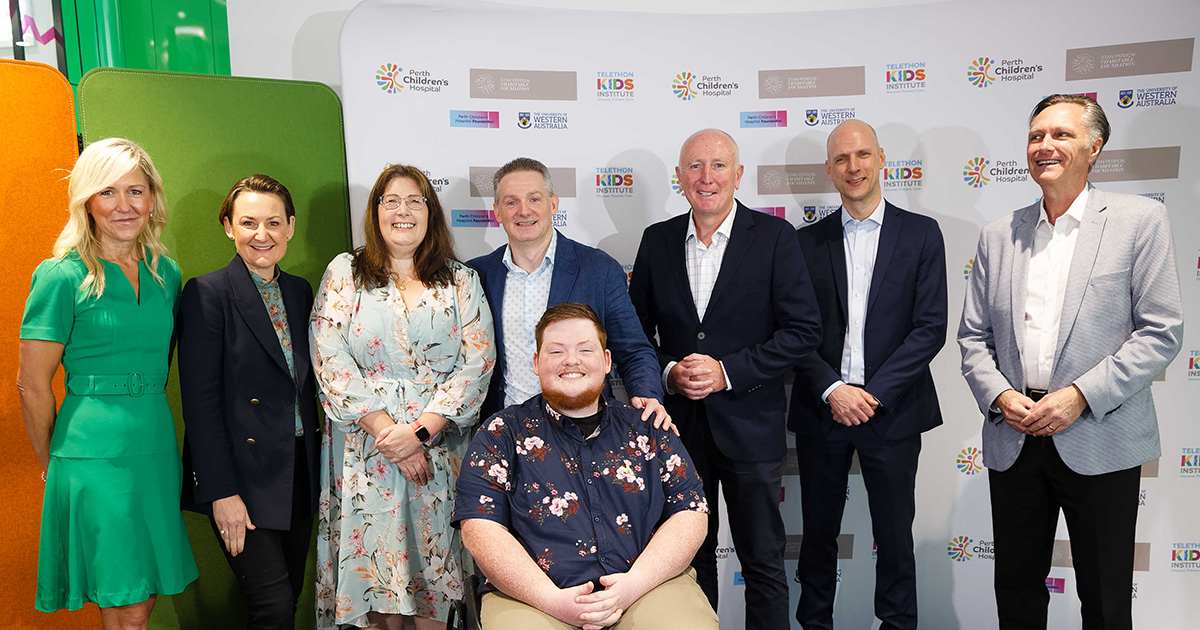
One of WA’s biggest ever philanthropic gifts will transform childhood cancer research and treatment by improving outcomes for children with cancer and discovering more effective and less toxic treatments.
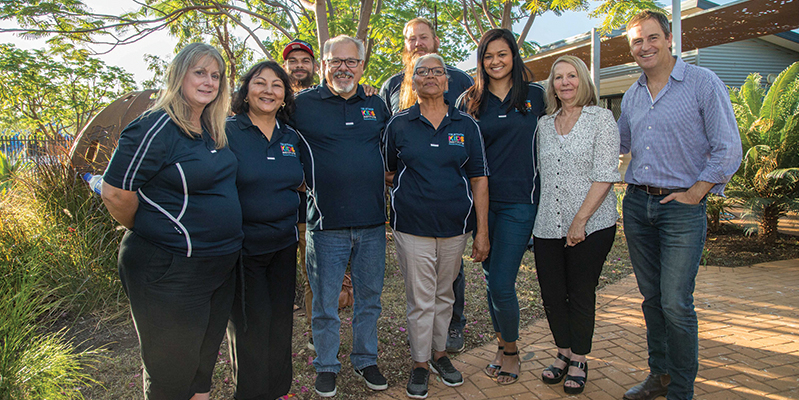
A $5 million commitment from BHP has allowed The Kids researchers and Aboriginal communities to make FASD history in the Pilbara.
Six out of ten ‘nicotine-free’ e-cigarette liquids analysed by The Kids Research Institute Australia researchers contained nicotine as well as an acutely toxic chemical typically found in pesticides and disinfectants.

Researchers from the Wal-yan Respiratory Research Centre are collaborating with Virex Pharma to undertake vital research into a potential breakthrough treatment for RSV infections in young children, thanks to a $499,241 grant awarded by the WA Department of Health Innovation Seed Fund.
The cure rate for pediatric patients with B precursor acute lymphoblastic leukemia (pre-B ALL) is steadily improving, however relapses do occur despite...
The purpose of this review was to describe literature relating to transition for young people with an intellectual disability and identify knowledge base gaps.
These findings reveal a central role of the DG receptor, not only as a structural element, but also as a critical factor promoting mesenchymal-like GBM
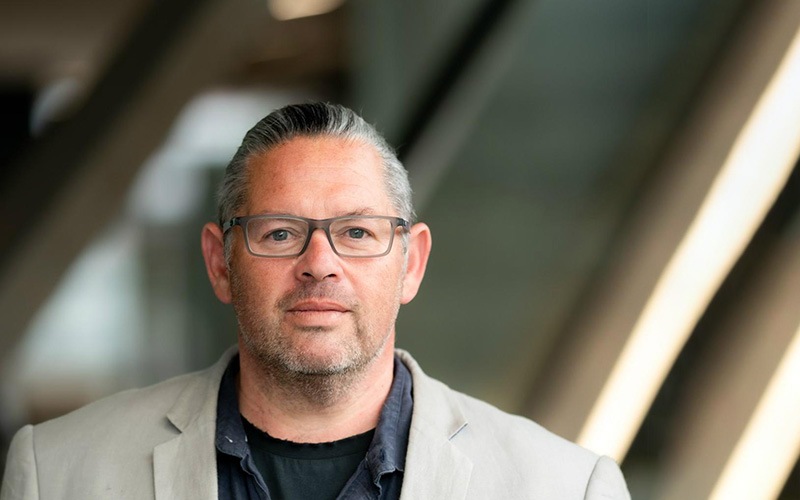
The Kids Research Institute Australia and Australian National University Professor of Indigenous Genomics, Professor Alex Brown, has become the first Indigenous member of the Commonwealth Scientific and Industrial Research Organisation (CSIRO) Board.
A The Kids Research Institute Australia spin-off company, Inspiring Holdings Pty Ltd (Inspiring), has been announced as winner of the Wesfarmers Wellbeing Platinum Award in the prestigious WA Innovator of the Year awards for their novel Universal Spacer System – a device which improves the delivery of inhaled dru
Acute leukemia continues to be a major cause of death from disease worldwide and current chemotherapeutic agents are associated with significant morbidity in survivors. While better and safer treatments for acute leukemia are urgently needed, standard drug development pipelines are lengthy and drug repurposing therefore provides a promising approach.