
Search
Showing results for "Study of bullying"

Embrace Co-Director Professor Helen Milroy calls for cultural safety in healthcare settings at Aboriginal mental health panel

ORIGINS is collecting data from multiple sources from the mother, infant and partner at multiple timepoints from gestation through to five years of age.

A legal change fought for by The Kids, consumer advocates, and others within the health sector – and hastened by the COVID-19 crisis – has brought WA into line with the rest of Australia, allowing critically ill or incapacitated patients access to potentially life-saving clinical trials.
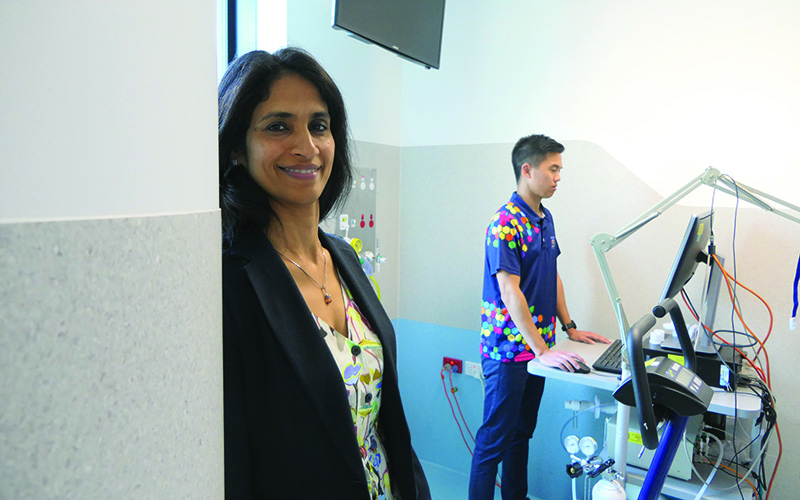
A ground-breaking new app developed by The Kids researchers may soon make exercising safer for young people with type 1 diabetes.

Strong advocacy efforts have paid off with health and food safety ministers from around Australia and New Zealand finally approving the recommended version of a warning label designed to highlight the potential risks of alcohol during pregnancy.

One third of Australia’s children will be better supported at school, thanks to a The Kids Research Institute Australia evidence review of what works best to support student behaviour needs.
Children with neurodevelopmental disorders often experience difficulties in acquiring and executing movement skills. Although the motor profiles of neurodivergent children frequently overlap, rigid conceptual distinctions between diagnostic labels have been imposed by traditional categorical approaches to taxonomy. An alternative transdiagnostic approach is proposed to better represent the similarities between presentations.
Autism spectrum disorder (ASD) is a group of neurodevelopmental disorders which are more common in males. The 'prenatal sex steroid' hypothesis links excessive sex-steroid exposure during foetal life with the behavioural differences observed in ASD. However, the reason why sex steroid exposure may be excessive remains unclear. Epidemiological studies have identified several environmental risk factors associated with ASD, including developmental vitamin D (DVD) deficiency.
Higher urinary albumin excretion, even within the normal range, is associated with early atherosclerosis
Animal Ethics Officer