
Search

In 2020, the National Closing the Gap partnership made improving early development of Aboriginal and Torres Strait Islander children one of its top priorities. Australia will measure progress in this area using the AEDC.
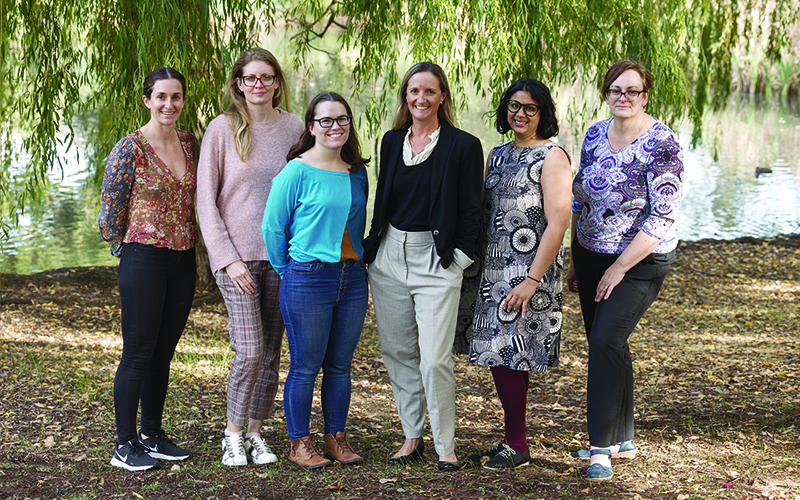
Childcare centres have flocked to take up a new evidence-based policy to help ensure young children get more of the physical activity they need to be healthy and developmentally on track.
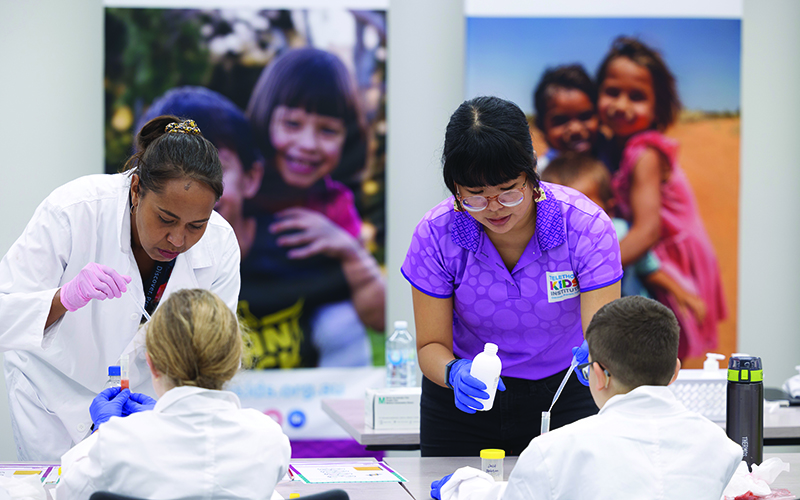
Strawberries, slime and sliced bread are being used as tools to educate and inspire the next generation of researchers, as part of the The Kids Discovery Centre Schools & Outreach Program.

Study found children aged 2–5 years from dog-owning households had increased pro-social behaviours like sharing and cooperating, when compared to children without a dog.
There is a lack of digital gatekeeper resources developed for parents to assist them in recognising and responding to mental health problems in their children and adolescents. We aimed to address this by exploring parents' mental health information needs, and to iteratively develop and design a resource incorporating their feedback.
University students face obstacles while pursuing their goals, and these challenges risk undermining their mental health. Goal flexibility has been identified as beneficial for promoting well-being and protecting mental health; however, the relationship between goal flexibility and mental health challenges remains underexplored.
Conversion practices (sometimes referred to as 'conversion therapy') refer to interventions that aim to change a person's sexual orientation or gender identity. While these are often associated with faith-based settings, they can also occur in secular healthcare contexts. The practices are associated with significant psychological harm.
The long-term consequences of early adverse exposures are well known but is becoming clear that early means not just in pregnancy but also in at least the two preceding generations. Furthermore, there are new existential threats to long term respiratory health, some of which have been presented at the INSPiRED meeting in Bologna and are reviewed in this manuscript.
Off-label antipsychotic prescribing for non-psychotic disorders is increasing, often at low doses and over extended periods. While cardiometabolic adverse effects are documented among individuals treated with antipsychotics for psychotic disorders, the consequences of long-term off-label antipsychotic use are not well-known.
This study quantifies the short-term risk profiles of seven severe acute respiratory syndrome coronavirus 2 virus (SARS-CoV-2) vaccines-Comirnaty Bivalent BA.1, Comirnaty Bivalent BA.4-5, Comirnaty XBB.1.5, Spikevax Bivalent BA.1, Spikevax Bivalent BA.4-5, Spikevax XBB.1.5 and Nuvaxovid-administered as booster doses in Australia.