
Search
Showing results for "Study of bullying"
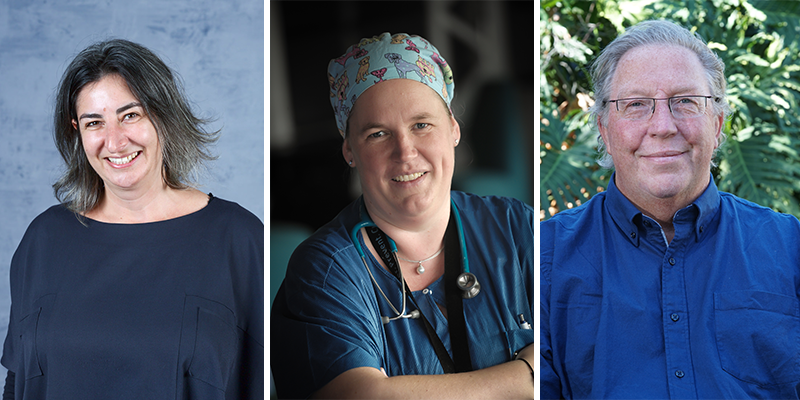
The Kids Research Institute Australia researchers have been awarded $5.3 million in prestigious Investigator Grants from the National Health and Medical Research Council
The Kimberley has the highest rates of rheumatic heart disease (RHD) in Western Australia – but through the establishment of a new community-led, research-backed project known as END RHD Communities, there’s hope this will change.
Researchers will track the progress of 12,000 children from birth to age five to identify what services are valuable to families to support the health and wellb
There are just a few days left to enter the Meeting of the Minds - Coffee For A Cause auction, in support of The Kids for Child Health Research.
Raelene Nick Endersby Gottardo BSc (Hons) PhD MBChB FRACP PhD Brainchild Fellow; Co-Head, Brain Tumour Research Head of Paediatric and Adolescent
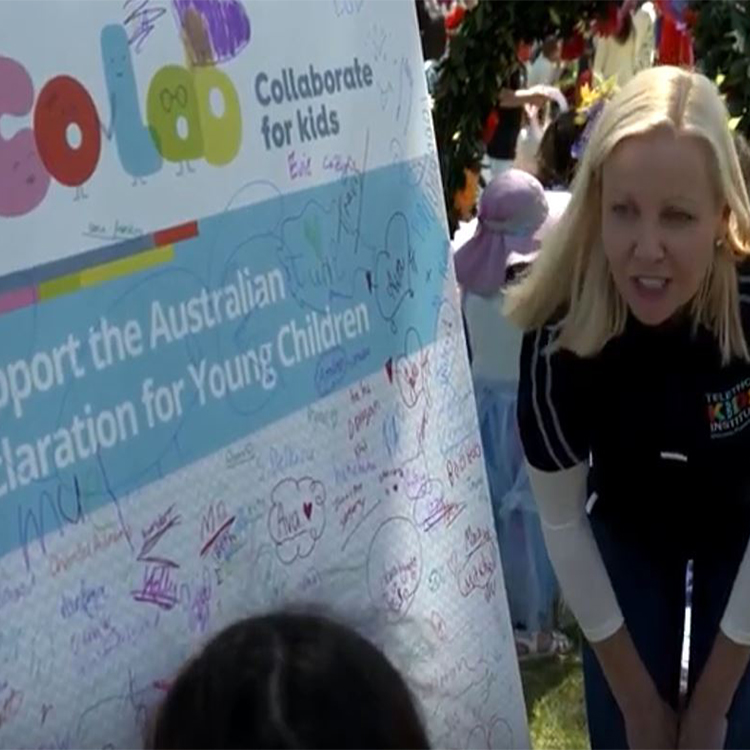
More than 100 leading Australian stakeholders with early childhood expertise were invited to work with CoLab to develop the first Australian EC Declaration.
The Third Conversation
Phage therapy is a promising approach against multidrug-resistant infections, yet systemic administration can lead to incomplete cures. We investigated the distribution, immune responses, and efficacy of the therapeutic phage KPP10 delivered via intranasal or intraperitoneal routes in murine Pseudomonas aeruginosa lung infection models.
SARS-CoV-2 nucleocapsid (N) protein antibodies can be used to identify the serological response to natural infection in those who have previously received a COVID-19 spike-based vaccine. Anti-N antibody responses can also be induced by inactivated whole SARS-CoV-2 virus vaccines, such as CoronaVac. We aimed to characterise antibody responses to the N protein following COVID-19 and following vaccination with CoronaVac.
We want to hear from siblings living outside of Australian cities!