
Search
Natural outdoor environments provide important settings for children to engage in physical activity. It is unclear if these relationships also exist in preschool aged children. We examined associations between amount and type of neighbourhood vegetation and blue space, proximity to the beach and preschooler's device-measured movement behaviours.
Natural outdoor environments such as green and blue spaces have increasingly been seen as key health and wellbeing determinants for adults. However, it is unclear if these effects are seen in young children. We examined the associations between access to natural green and blue space and young children's socioemotional development.
Following the outbreak of COVID-19, social distancing restrictions limited access to face-to-face mental health services in Western Australia (WA), necessitating a rapid transition to non-face-to-face alternatives, including telehealth. The current study investigated barriers and facilitators to telehealth access and engagement, and preferences for child and youth mental health service delivery during and beyond COVID-19.

In anticipation of moving to our new home within the Perth Children’s Hospital, The Kids would like to thank both the State and Federal governments for fun
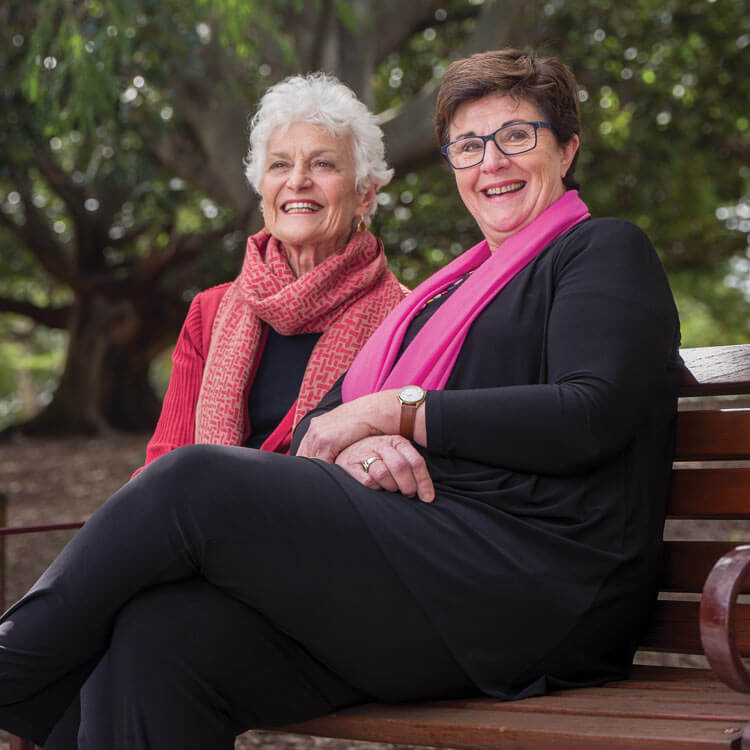
The legacy of beloved parenting author and educator Maggie Dent is set to live on well beyond her lifetime.
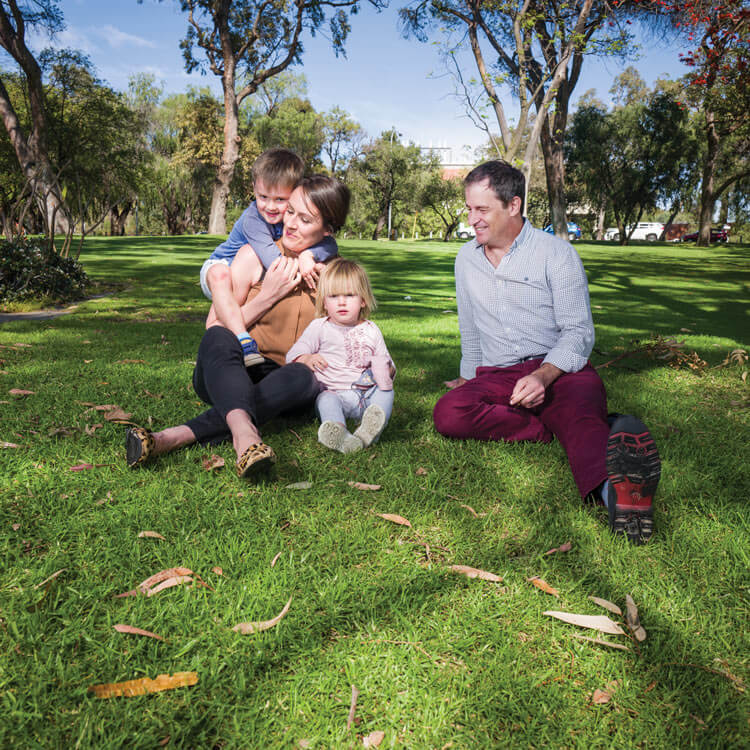
Making FASD History inspires the rest of the world to follow suit.
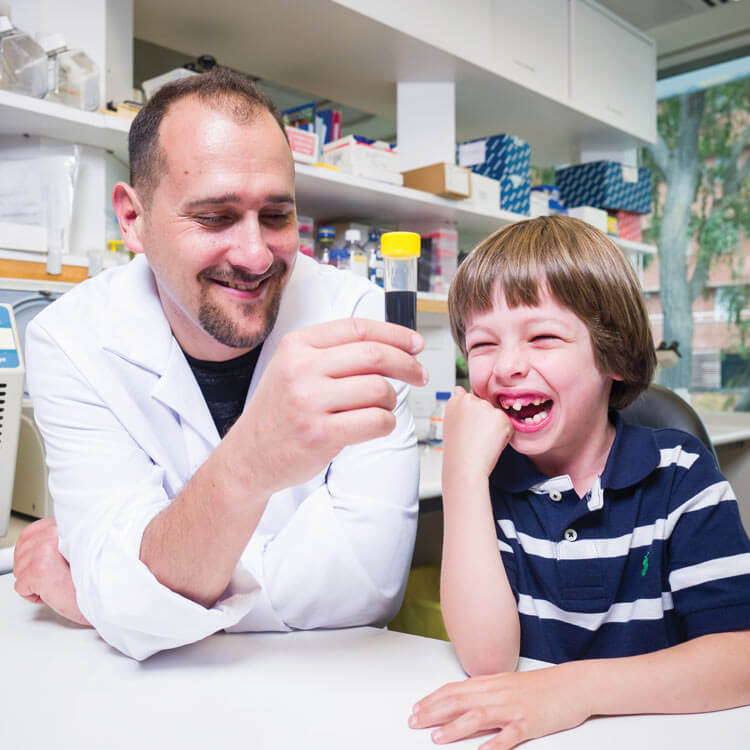
Thanks to an enabling donation from the Stan Perron Charitable Foundation, The Kids Research Institute Australia is home to one of the first paediatric personalised medicine research centres in the world.
The aim of this study was to develop best practice guidelines for preventing suicide and reducing suicidal thoughts and behaviours in LGBTQA+ young people (lesbian, gay, bisexual, trans, queer/questioning, asexual, and those of other diverse sexualities and genders) within clinical and community service settings in Australia.
Nonsuicidal self-injury (NSSI) is particularly common among trans young people. Trans young people tend to experience high levels of emotional distress due to the unique stressors they face, and often use NSSI as an emotion regulation strategy. These stressors include gender dysphoria, body image concerns, and transphobic experiences.
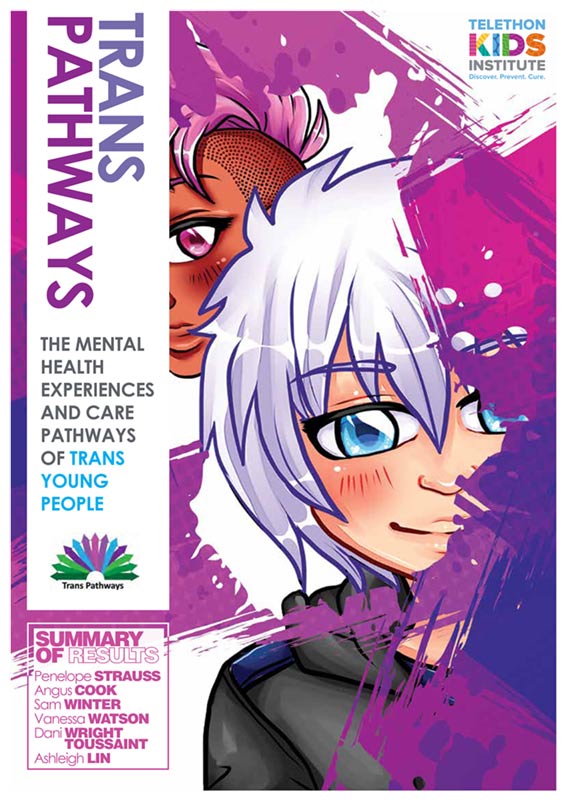
Trans Pathways is the largest ever survey conducted into the mental health of trans young people in Australia.