
Search
Showing results for "Study of bullying"
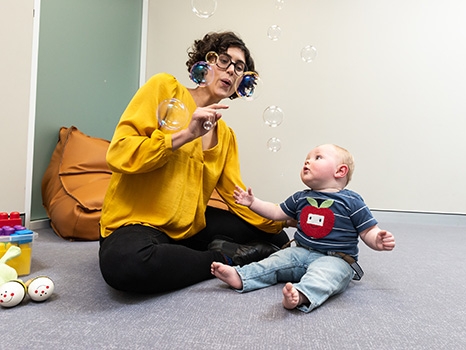
CliniKids has developed a range of fact sheets to support everyday activities at home. We've also included links to some resources and websites for parents and carers developed by other support services.

We are currently working through several clinical audits to ensure that we are meeting our service delivery standards and governance requirements. As part of this, we have audited our Service Agreements to ensure that we have a signed agreement on file for all our clients. This agreement is an NDIS

CliniKids’ new clinic in the Joondalup area is coming along nicely and is on track to open around the middle of the year.
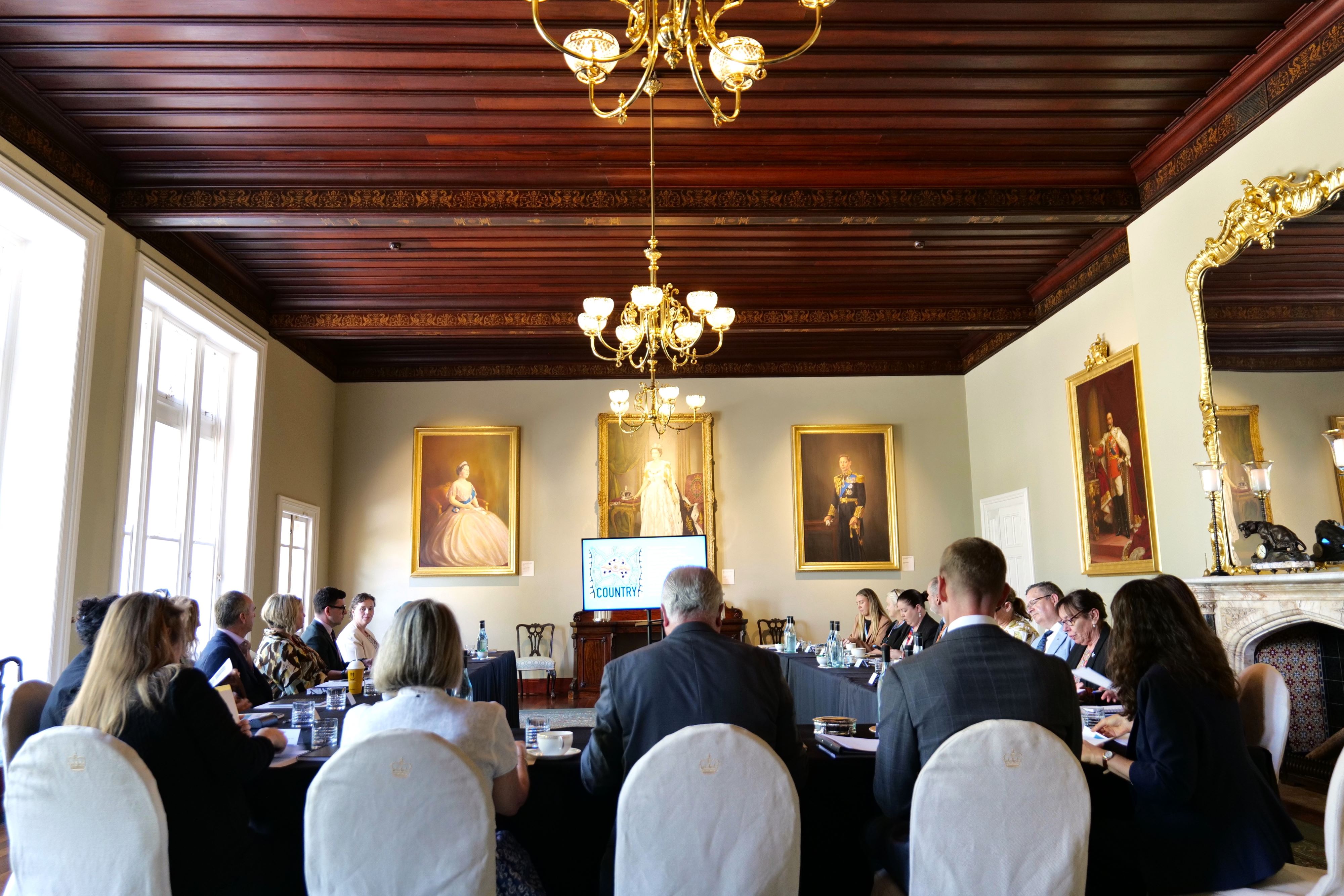
Embrace's Co-Directors have led a roundtable at Government House on the benefits of trauma-informed care

Oxidative stress and abnormal bioactive lipids in early cystic fibrosis lung disease. What did you find? We focused on lipid molecules which we know

Illuminate Awards are a philanthropic initiative - shining a light on child health research to help all kids lead happy, healthy lives.
Allergic diseases are rising worldwide, especially in childhood, and their clinical diversity increasingly exposes the limits of traditional phenotype-based classifications. Genetic susceptibility, environmental exposures, epithelial barrier biology, and immune pathways interact to shape highly variable disease trajectories and treatment responses. In this context, precision medicine is no longer only an aspirational concept, but a practical effort to define meaningful endotypes, identify clinically useful biomarkers, and connect biological insight to prevention and care.
Globally, Indigenous people, including Aboriginal and Torres Strait Islander people in Australia, experience significantly poorer health outcomes than their non-Indigenous counterparts. In part, this can be attributed to the ongoing impacts of colonization, marginalization, and systemic discrimination. In the genomic healthcare era, Indigenous people remain underrepresented in public genetic health services, raising concerns about cultural competency and inclusivity within the genetic counseling profession.
At present, limited literature exists exploring patient preferences for prophylactic treatment of acute rheumatic fever and rheumatic heart disease. Given low treatment completion rates to this treatment in Australia, where the burden of disease predominantly affects Aboriginal and Torres Strait Islander people, an improved understanding of factors driving patient preference is required to improve outcomes.
Tuberculosis (TB) remains a global public health challenge, causing substantial mortality and morbidity. While TB treatment has made significant progress, it often leaves survivors with post-TB sequelae, resulting in long-term health issues.