
Search
Out-of-home care was not found to be a significant factor in the adverse educational outcomes of these children
The Social Interaction Potential Assessment tool can assess Active Video Games potential to facilitate social interaction among players
The functional effects of increased ERBB4 activation identify ERBB4 as a potential prognostic and therapeutic target
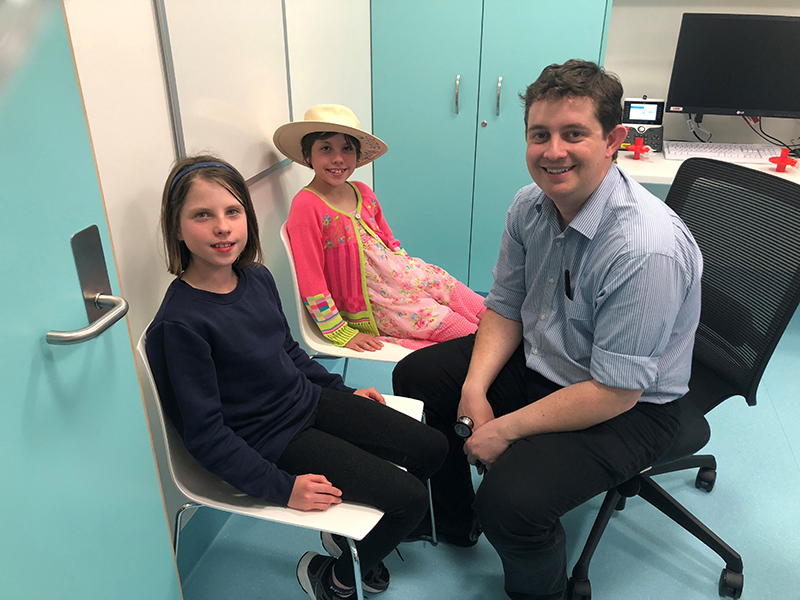
The Kids Research Institute Australia researchers are investigating whether a simple urine test could predict whether young children with wheezing symptoms will go on to develop asthma.
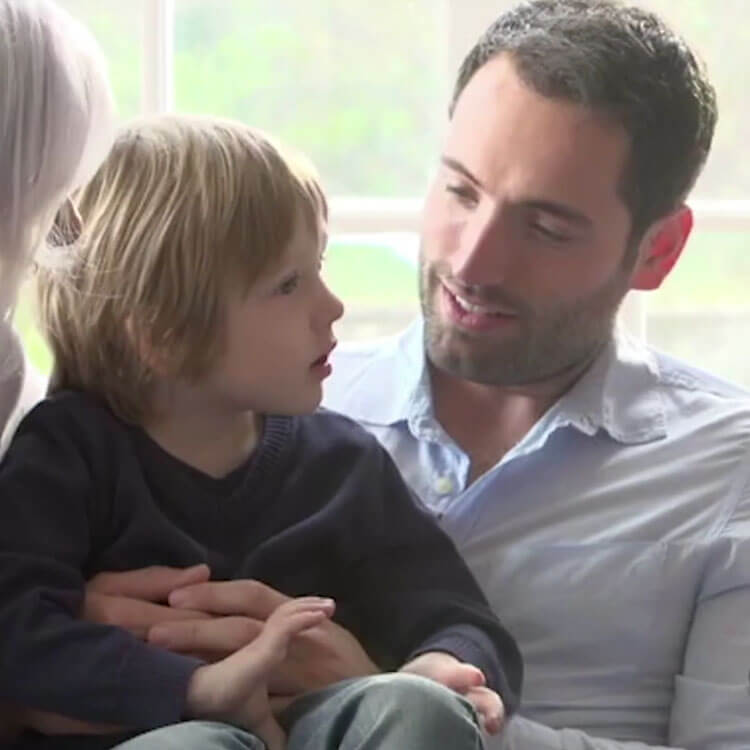
new research at The Kids Research Institute Australia will look at the diets of mums to see if regularly eating more eggs or peanuts during pregnancy and while breastfeeding
Identify entrenched areas of asthma management and treatment in which progress has stalled and to challenge current principles
Fetal alcohol spectrum disorder in Australia: Practice guidelines for diagnosis and management

Congratulations to Dr Gail Alvares and Dr Rachel Foong, who have been awarded funding from the Raine Medical Research Foundation.
The current findings showed that involvement in any bullying behaviour was associated with increased risk of concurrent mental health problems
decreased serum IgG responses to NTHi outer membrane proteins may contribute to the development of chronic and severe OM in Australian Aboriginal children