
Search
Research
Antibacterial antibody responses associated with the development of asthma in house dust mite-sensitised and non-sensitised childrenWe aimed to measure the antibody development to 2 bacteria in a birth cohort at high risk of allergic disease, and to assess which responses are asthma-linked.
Research
Intellectual disability: Population-based estimates of the proportion attributable to maternal alcohol use disorder during pregnancyThe aim of this study was to examine the association between maternal alcohol use disorder and intellectual disability in children.
Research
Tertiary paediatric refugee health clinic in Western Australia: Analysis of the first 1026 childrenThe aim of this study is to describe the epidemiology of common conditions in resettled paediatric refugees attending a tertiary multidisciplinary RHC.

When author Maurice Sendak first sketched out the story of a rambunctious little boy sent to his room without supper, there’s no way he could have known his rollercoaster tale of childhood imagination would still be speaking to the hearts of wild young things more than six decades on.
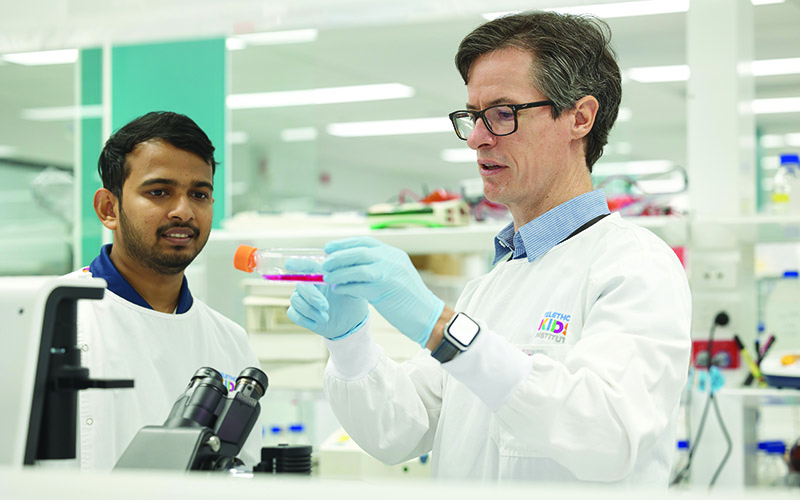
Although a staple of modern medicine, the benefits of antibiotics are waning thanks to overuse and the increasing ability of bacteria to dodge them – known as antimicrobial resistance (AMR).

The Kids Research Institute Australia has been among a growing number of voices passionately advocating for an overhaul of the way young people in detention are managed in Western Australia.
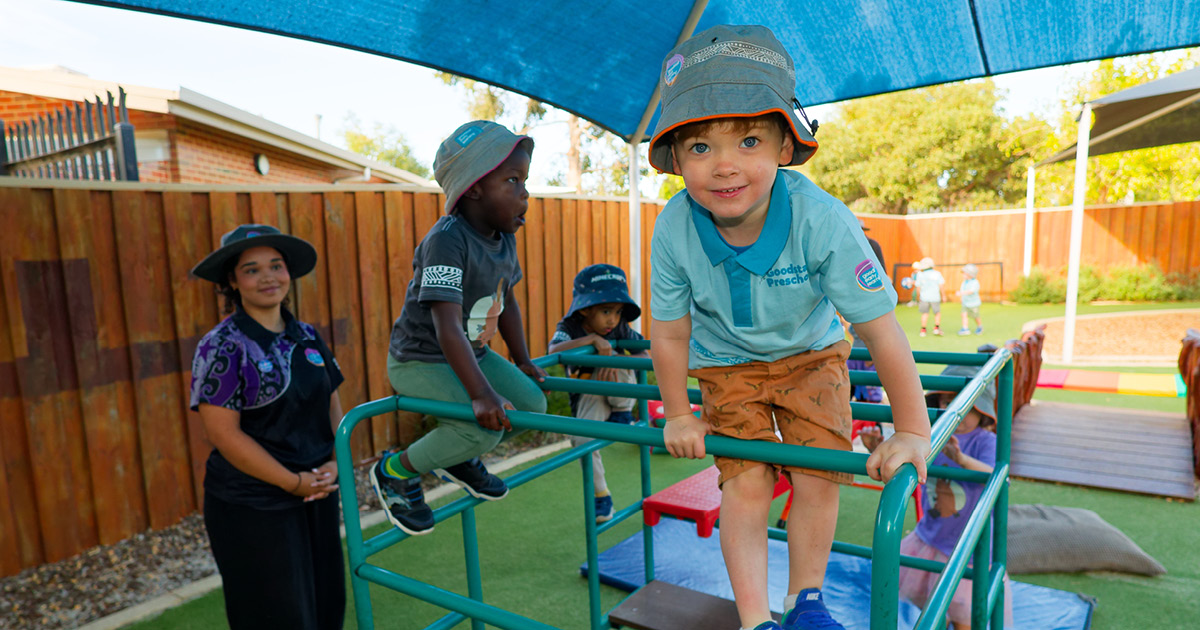
More than 80,000 Australian children are expected to benefit from a trial being rolled out to 700 childcare centres across the country that aims to boost declining physical activity levels.
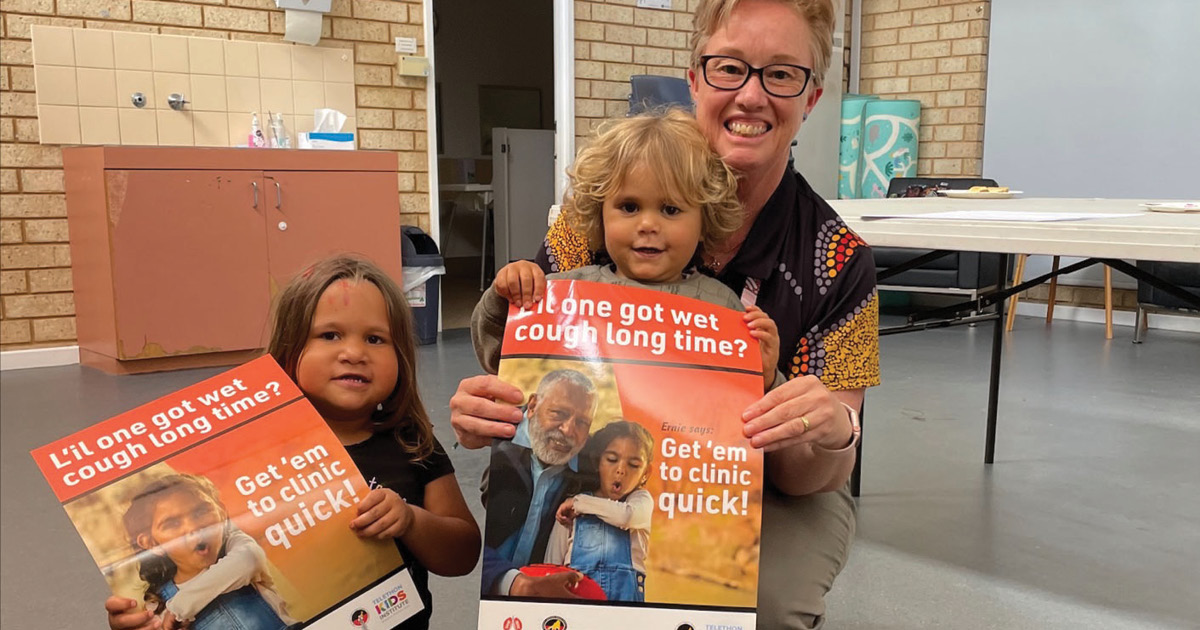
A program aimed at raising awareness of the dangers of a chronic wet cough in Aboriginal children has been extended to 14 remote and regional towns in Western Australia - thanks to a partnership between The Kids Research Institute Australia and Cystic Fibrosis WA.
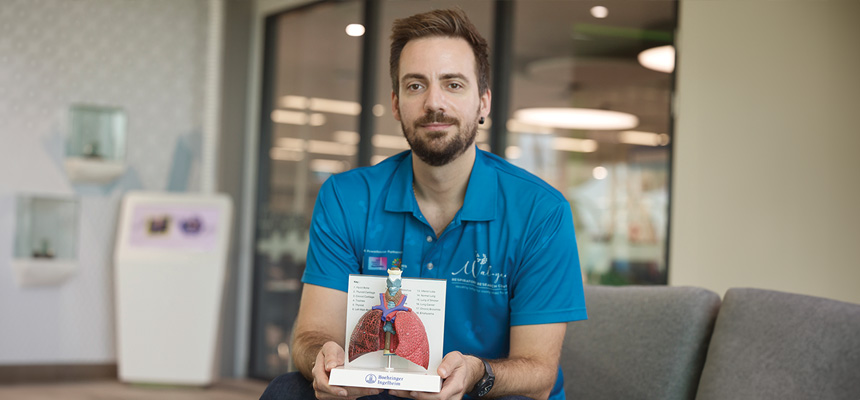
An exciting study is investigating whether a new therapeutic treatment for asthma will protect young sufferers from ongoing lung damage and improve their long-term health outcomes.
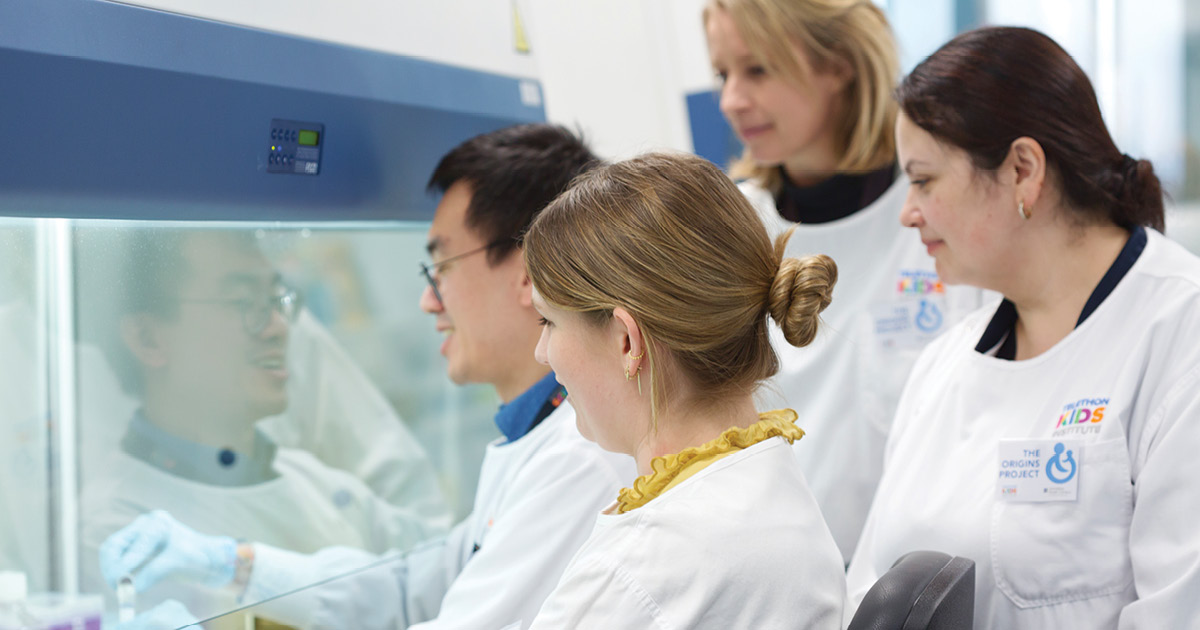
What if researchers could shop for different data to help uncover how, when and why chronic conditions such as asthma, obesity, allergies and poor mental health develop?