
Search
There is a common mischaracterisation that autistic individuals have reduced or absent empathy. Measurement issues may have influenced existing findings on the relationships between autism and empathy, and the structure of the empathy construct in autism remains unclear.
Despite significant advances, outcomes for children with Down syndrome (DS, trisomy 21) who develop acute lymphoblastic leukemia remain poor. Reports of large DS-ALL cohorts have shown that children with DS have inferior event-free survival and overall survival compared to children without DS.
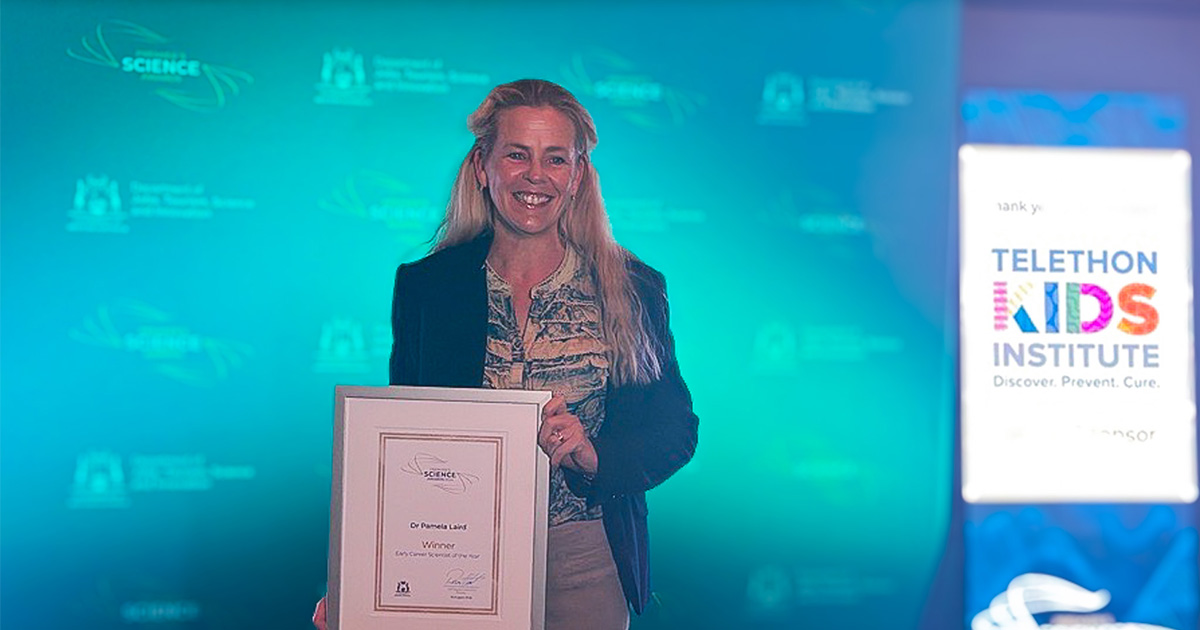
Congratulations to respiratory health researcher and clinician Dr Pam Laird, who was last night named joint winner of Early Career Scientist of the Year at the 2024 Premier’s Science Awards.
B-cell epitope mapping is an approach that can identify and characterise specific antigen binding sites of B-cell receptors and secreted antibodies. The ability to determine the antigenic clusters of amino acids bound by B-cell clones provides unprecedented detail that will aid in developing novel and effective vaccine targets and therapeutic antibodies for various diseases.
Many survivors of preterm birth (<37 weeks gestation) have lifelong respiratory deficits, the drivers of which remain unknown. Influencers of pathophysiological outcomes are often detectable at the gene level and pinpointing these differences can help guide targeted research and interventions. This study provides the first transcriptomic analysis of primary nasal airway epithelial cells in survivors of preterm birth at approximately 1 year of age.
High-grade gliomas including glioblastoma (GBM) and diffuse midline gliomas (DMG) represent the most lethal and aggressive brain cancers where current treatment modalities offer limited efficacy. Chimeric antigen receptor (CAR) T cell therapies have emerged as a promising strategy, boasting tumor-specific targeting and the unique ability to penetrate the blood-brain barrier.
Blood glucose management around exercise is challenging for youth with type 1 diabetes (T1D). Previous research has indicated interventions including decision-support aids to better support youth to effectively contextualize blood glucose results and take appropriate action to optimize glucose levels during and after exercise. Mobile health (mHealth) apps help deliver health behavior interventions to youth with T1D, given the use of technology for glucose monitoring, insulin dosing, and carbohydrate counting.
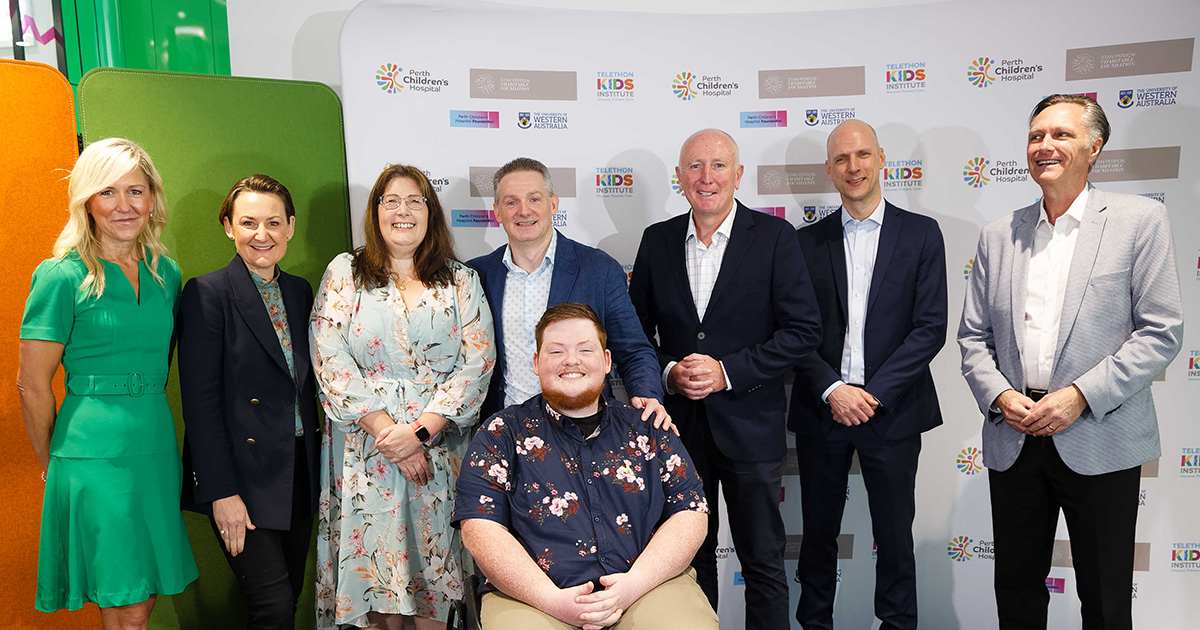
One of WA’s biggest ever philanthropic gifts will transform childhood cancer research and treatment by improving outcomes for children with cancer and discovering more effective and less toxic treatments.
Early neurological deterioration (END) within 72 h of stroke onset is associated with poor prognosis. Optimizing hydration might reduce the risk of END.
Few studies have examined long-term outcomes following oral immunotherapy; none have examined long-term risks and benefits associated with distinct clinical outcomes (desensitization, remission).