
This trial is evaluating the effectiveness of an Alert Program school curriculum for improving self-regulation and executive function in children liv…
Barriers in addressing FASD in Australia include a drinking culture and large populations living in regional or remote communities with high risk pop…
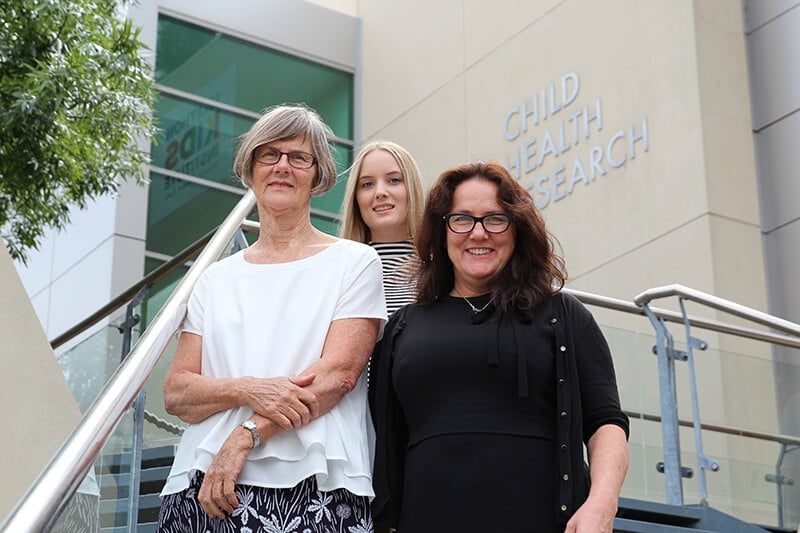
Nine out of ten incarcerated youth examined by The Kids researchers as part of a ground-breaking study had some form of neuro-disability.
This study of young people in detention in Western Australia, has documented a high prevalence of FASD and severe neurodevelopmental impairment

Perth’s The Kids Research Institute Australia has welcomed the McGowan Government’s call today for the immediate implementation of mandatory pregnanc…
we aim to create a profile of fine motor skills in a cohort of WA children; determine whether these differed in children with PAE or FASD and prevale…
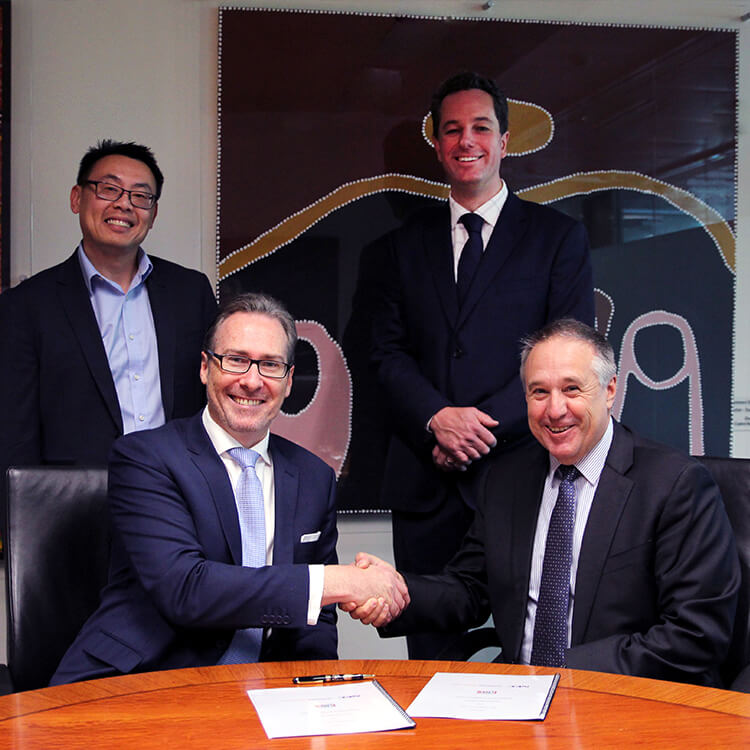
The Kids has signed an MoU with leading technology developer NEC Australia to explore opportunities to apply NEC’s AI technologies in our medical res…
The Australian Guide to the Diagnosis of Fetal Alcohol Spectrum Disorder has been developed, funded by the Commonwealth Department of Health
We examined the relationship between a maternal alcohol-use diagnosis, and the timing of diagnosis, and child protection outcomes in a Western Austra…
The aim of this study was to develop and implement a community-led, researcher-supported, FASD strategy.