
Each year, around 3,000 babies in Western Australia are born prematurely, representing approximately 10% of all births.
To describe the frequency, burden, and pathogen profile of acute respiratory illnesses in very preterm infants during the first year after neonatal i…
Mucus plugs have been previously recognized as an important pathological feature in asthma and chronic obstructive pulmonary disease (COPD), but thei…
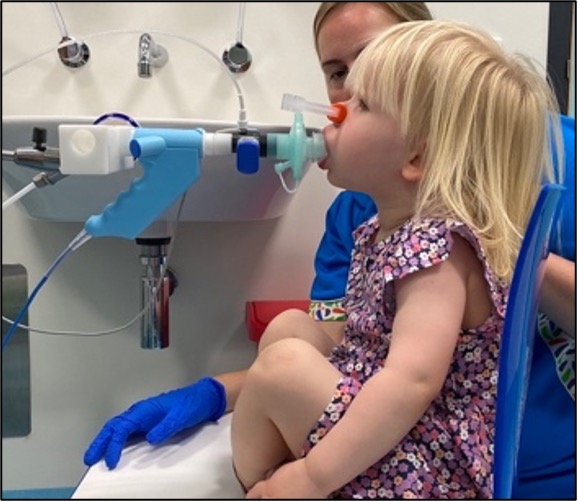
This national, multi-centre study will generate the evidence needed to implement promising preschool lung function tests, multiple breath washout (MB…
Protracted bacterial bronchitis (PBB), chronic suppurative lung disease (CSLD) and bronchiectasis are parts of a disease spectrum characterised by ch…
Children are particularly vulnerable to air pollution, but the effects of early life exposure to acute, high-intensity pollution on later lung functi…
To better characterise prematurity-associated lung disease, adult spirometry phenotype classifications (obstructive lung disease, preserved ratio imp…
The nasal epithelium is the primary point of contact for inhaled respiratory viruses such as rhinovirus, respiratory syncytial virus, influenza, and…
Despite a high burden of respiratory disease among infants globally, limited options exist for lung function testing in this age group. Tidal breathi…
Respiratory disease is a leading cause of hospitalisations in children with cerebral palsy (CP). Over 40% of individuals with CP are born preterm; ho…