Skip to content
The Kids Research Institute Australia logo
Donate

Search

Research

Clinical and Molecular Epidemiology of an Emerging Panton-Valentine Leukocidin-Positive ST5 Methicillin-Resistant Staphylococcus aureus Clone in Northern Australia

Recently, we identified a Staphylococcus aureus sequence type 5 (ST5) clone in northern Australia with discrepant trimethoprim-sulfamethoxazole (SXT) susceptibility results. We aimed to identify isolates of this clone using Vitek 2 SXT resistance as a proxy and to compare its epidemiology with those of other circulating S. aureus strains. We collated Vitek 2 susceptibility data for S. aureus isolates collected through our laboratory and conducted a prospective, case-control study comparing clinical, microbiological, epidemiological, and genomic data for subsets of isolates reported as SXT resistant (cases) and SXT susceptible (controls) by Vitek 2.

Research

Addressing normalization using culturally relevant approaches: An important adjunct to reducing the burden of impetigo and scabies

Impetigo, a bacterial infection caused by Streptococcus pyogenes and S. aureus of the superficial dermis affects up to 162 million children at any one time. Three out of every five school-children in Samoa have active or recently healed impetigo, far higher than the global median impetigo prevalence surpassing previous estimates for the Oceania region.

Research

Clinical experience with SUBA-itraconazole at a tertiary paediatric hospital

Itraconazole remains a first-line antifungal agent for certain fungal infections in children, including allergic bronchopulmonary aspergillosis (ABPA) and sporotrichosis, but poor attainment of therapeutic drug levels is frequently observed with available oral formulations. A formulation of 'SUper BioAvailability itraconazole' (SUBA-itraconazole; Lozanoc®) has been developed, with adult studies demonstrating rapid and reliable attainment of therapeutic levels, yet paediatric data are lacking.

SToP-ping skin sores in the Kimberley

More than 3,000 skin checks have been undertaken as part of a large clinical trial in WA’s Kimberley region aimed at halving the burden of skin sores in school-aged Aboriginal children.

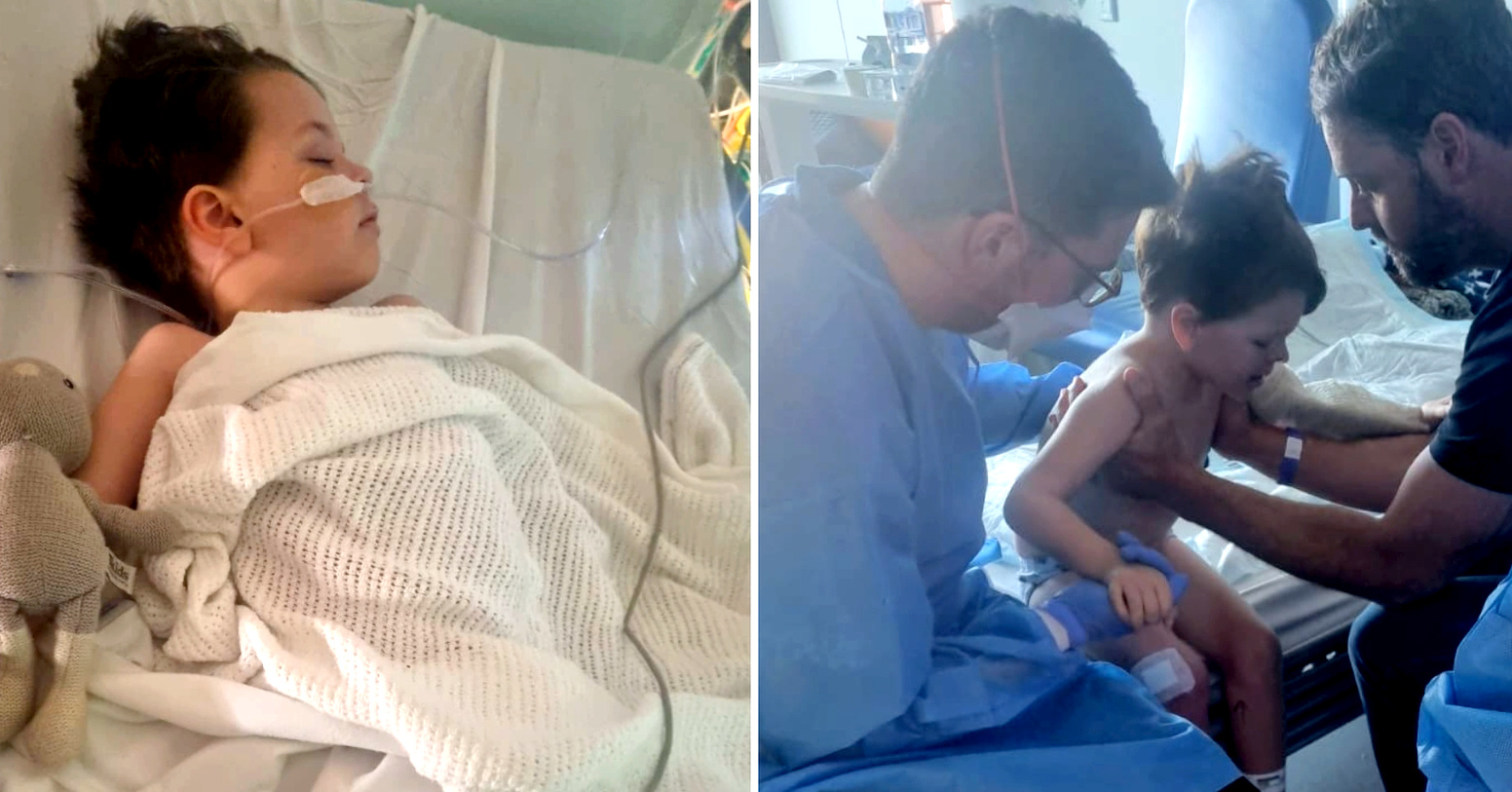
On the road to recovery

In late 2022, six-year-old Megan Hutton was living the dream of many kids her age as she celebrated being named runner-up champion athlete at her school sports carnival.

Deadly bug in researchers’ sight at The Kids

The Institute has become one of the world’s leading Strep A hubs, with multiple teams working in the Institute’s END RHD Program, headed by Associate Professor Asha Bowen, working to understand how Strep A works and find better ways to prevent and control the diseases it causes.

Research Theme

First Nations Health and Equity

Aboriginal health is everyone's business. The needs of Aboriginal and Torres Strait Islander families and kids is integrated into all relevant areas of our work. Improving the health and wellbeing of Aboriginal and Torres Strait Islander kids and families is an overarching priority for every team at The Kids.

Research

A pilot study to develop assessment tools for Group A Streptococcus surveillance studies

Group A Streptococcus (GAS) causes pharyngitis (sore throat) and impetigo (skin sores) GAS pharyngitis triggers rheumatic fever (RF) with epidemiological evidence supporting that GAS impetigo may also trigger RF in Australian Aboriginal children. Understanding the concurrent burden of these superficial GAS infections is critical to RF prevention. This pilot study aimed to trial tools for concurrent surveillance of sore throats and skins sore for contemporary studies of RF pathogenesis including development of a sore throat checklist for Aboriginal families and pharynx photography.

Research

Standardization of Epidemiological Surveillance of Group A Streptococcal Impetigo

Impetigo is a highly contagious bacterial infection of the superficial layer of skin. Impetigo is caused by group A Streptococcus (Strep A) and Staphylococcus aureus, alone or in combination, with the former predominating in many tropical climates. Strep A impetigo occurs mainly in early childhood, and the burden varies worldwide. It is an acute, self-limited disease, but many children experience frequent recurrences that make it a chronic illness in some endemic settings.

Research

The burden of bacterial skin infection, scabies and atopic dermatitis among urban-living Indigenous children in high-income countries: a protocol for a systematic review

Bacterial skin infections and scabies disproportionately affect children in resource-poor countries as well as underprivileged children in high-income countries. Atopic dermatitis is a common childhood dermatosis that predisposes to bacterial skin infection.