Leukaemia Translational Research projects
Featured projects
Therapeutic opportunities from dissecting the pre-B leukaemia bone marrow microenvironment
Novel therapeutics approaches for infants with high-risk infant acute lymphoblastic leukaemia

The main aim of our Leukaemia Translational Research Team is to test innovative therapeutic approaches, with a focus on clinical translation of this knowledge, to improve the outcomes of children suffering from leukaemia.
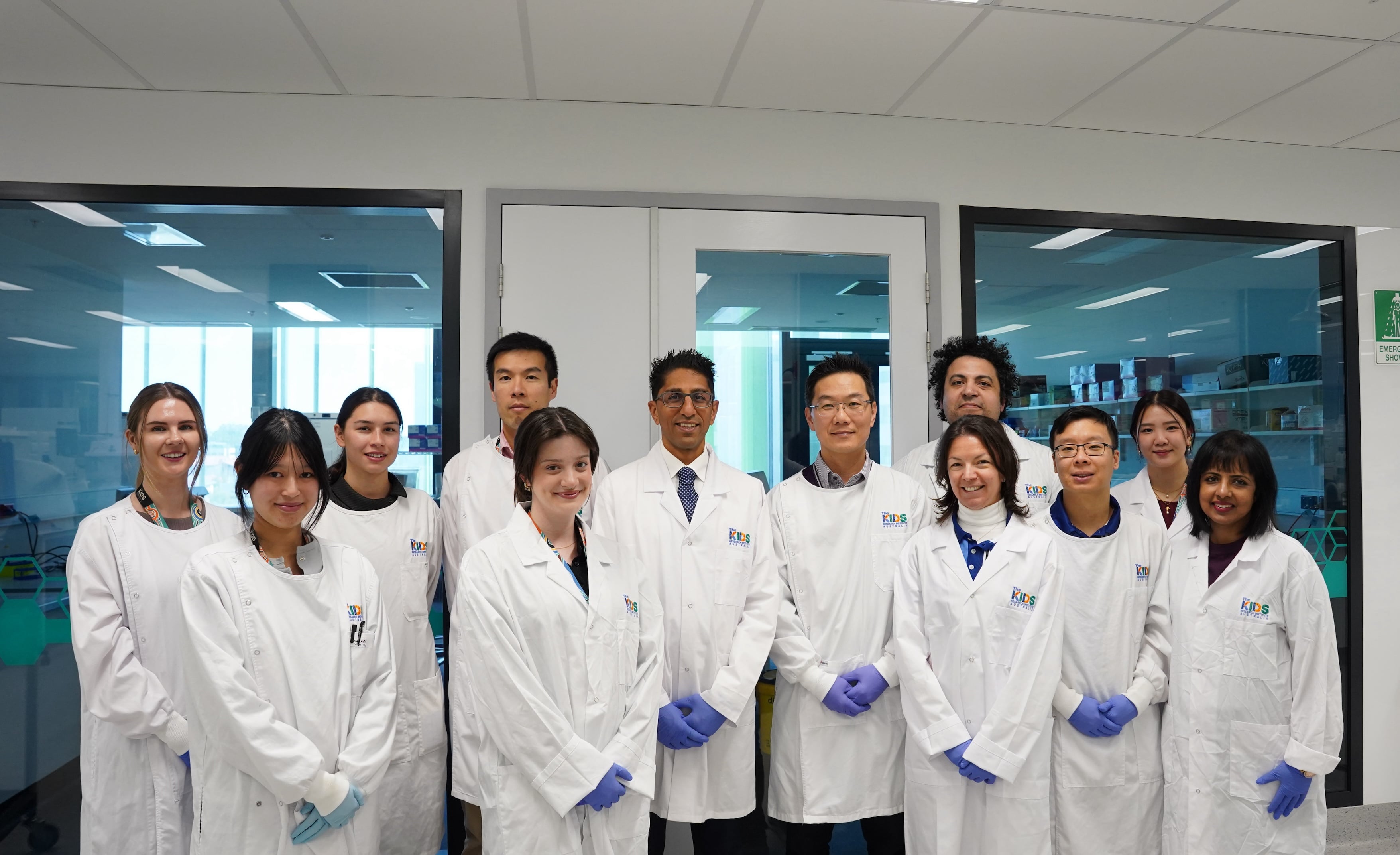
The Leukaemia Translational Research team, proudly part of the WA Comprehensive Kids Cancer Centre, brings together laboratory and clinical expertise to advance the treatment of children with leukaemia.
Leukaemia is the most common form of cancer in children. Remarkable therapeutic advances have been made over the past sixty years and 5-year survival now exceeds 90% for certain subgroups. However, despite this progress, leukaemia is the second most frequent cause of death from cancer in children. This is predominantly due to disease relapse, with many children also suffering from treatment-related toxicity and a poor initial response to conventional chemotherapy.
Our overarching goal focuses on developing innovative therapeutic strategies and identifying novel drugs that can be readily translated into clinical practice to improve the outcomes for children suffering from leukaemia.
To realise this goal, the research focus of the Leukaemia Translational Research team is divided into four main streams:
These streams are facilitated by direct access to primary patient samples and the development of new preclinical disease models for childhood leukaemia. These resources are utilised to characterise the genetic and molecular mechanisms that underpin specific leukaemia subtypes, conduct preclinical assessment of drug efficacy and establish mechanisms of drug action and response. Together, with existing clinical collaborations with the Children’s Oncology Group, International BFM Study Group and Interfant Study Group, the team aims to facilitate rapid clinical translation of their research, to ultimately improve the outcome, care and overall well-being of children suffering from leukaemia.

MB ChB (Hons) MRCPCH FRACP PhD
Co-Head, Leukaemia Translational Research

BPharm (Hons) MBA PhD

BSc(Hons), PhD

MBBS FRACP FRCPA PhD
Postdoctoral Research Fellow
BSc, MSc, PhD

Joyce Oommen
Research Assistant
Emanuela Ferrari
Research Assistant
Taylor Ferguson
PhD Student
Yasmin Henderson-Kelly
PhD Student
Abigail Lim
PhD Student
Claire Jelaca
Honours Student
Charlotte Chia
Honours Student
Therapeutic opportunities from dissecting the pre-B leukaemia bone marrow microenvironment
Novel therapeutics approaches for infants with high-risk infant acute lymphoblastic leukaemia
Optimising Asparaginase Use and Managing Hypersensitivity in Australasia—A Clinical Practice Guideline From the Australian and New Zealand Children's Haematology/Oncology Group
Asparaginase is a critical component of modern multi-agent chemotherapy regimens for paediatric acute lymphoblastic leukaemia and lymphoblastic lymphoma, with inadequate exposure leading to inferior patient outcomes.
LYL1 is critical for adult hematopoietic stem cell-derived B and T lymphopoiesis
Hematopoietic stem cells are defined by their remarkable self-renewal and differentiation capacities, giving rise to progenitors that generate diverse blood and immune cell lineages through the tightly regulated process of hematopoiesis. This process is governed by key transcription factors that control gene expression programs essential for cellular homeostasis, differentiation, and lineage commitment.
Tracking Health Related Quality of Life From Diagnosis to Follow-Up Among Australian Children With Acute Lymphoblastic Leukaemia
Acute lymphoblastic leukaemia (ALL) is one of the most treatable forms of paediatric cancer; however, there is a substantial burden of treatment-related toxicities (TRTs). In addition, the long-term changes in children's health-related quality of life (HRQoL) due to toxic treatments are not well understood.
Invasive pneumococcal disease in children with acute lymphoblastic leukaemia
To determine the incidence, serotype distribution and clinical outcomes of invasive pneumococcal disease in children with acute lymphoblastic leukaemia following widespread use of pneumococcal conjugate vaccines.