
Higher maternal consumption of eggs and peanuts does not reduce allergy risk
Higher maternal consumption of egg and peanut during pregnancy and breastfeeding does not protect infants against developing egg or peanut allergies in their first year of life, new research from The Kids Research Institute Australia has shown.
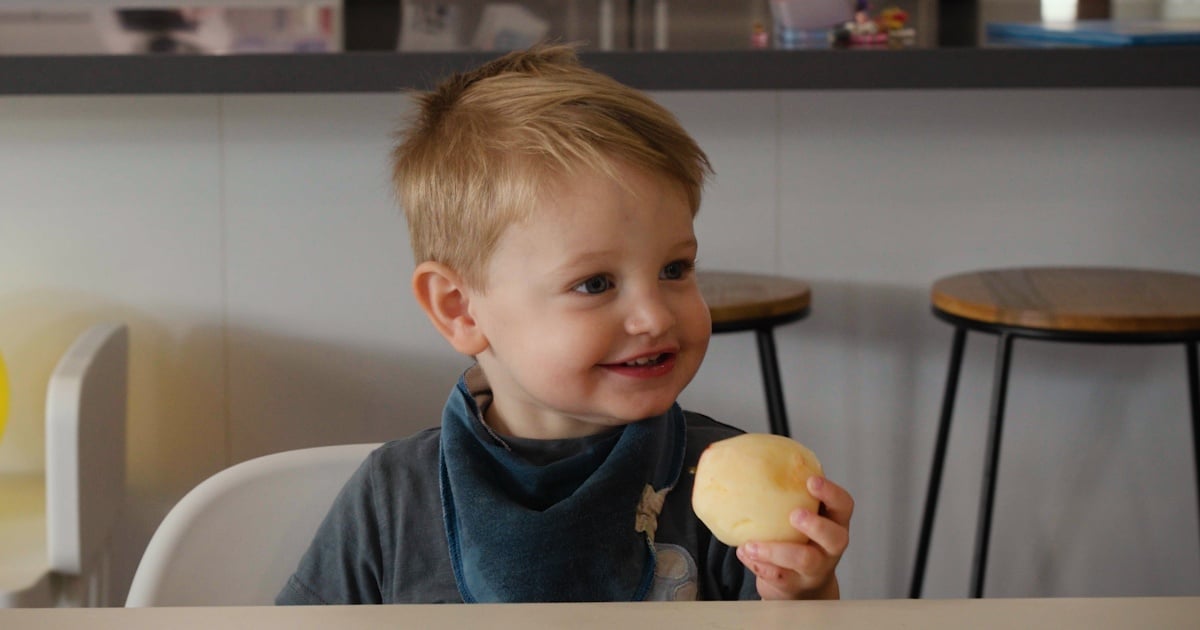
Higher maternal consumption of egg and peanut during pregnancy and breastfeeding does not protect infants against developing egg or peanut allergies in their first year of life, new research from The Kids Research Institute Australia has shown.
Published in The New England Journal of Medicine, one of the world’s oldest and leading medical journals, the large randomised controlled trial results will enable healthcare providers to reassure pregnant and lactating women that high levels of egg and peanut consumption are neither detrimental, nor required, to reduce the risk of their baby developing egg and peanut allergies.
Peanut allergy affects around three per cent of infants, while egg allergy affects almost nine per cent. Food allergy rates in Australia are among the highest in the world, and understanding how food allergies develop in early life is critical to improving prevention and treatment.
The trial included 2,137 pregnant and breastfeeding women across four Australian states. All the infants had at least two family members with a history of allergic disease which increased their predisposition to develop food allergies.
Half the women were assigned a high egg and peanut diet of at least six eggs and 60 peanuts per week, and the other half were assigned to a standard (control) egg and peanut diet of no more than three eggs and 30 peanuts per week.
Lead author and Head of the Nutrition in Early Life team at The Kids, Associate Professor Debbie Palmer, said it was originally hypothesised that a maternal diet rich in eggs and peanuts could reduce a child developing egg and peanut allergies, but that effect was not found.
“We had expected that the mothers eating higher amounts of eggs and peanuts during pregnancy and breastfeeding would have reduced egg and peanut allergies in their babies,” Associate Professor Palmer said.
“However, we found no difference between the two groups. There were also no indications that higher maternal egg and peanut ingestion reduced (or increased) the risk of infant egg or peanut sensitization, egg or peanut allergy individually, or eczema.
“For food allergy prevention, our best current advice is to include well-cooked egg (such as mashed hard-boiled egg) and smooth peanut butter mixed in with the baby's solid foods, starting soon after they have commenced eating solid foods, and continuing to include egg and peanut regularly in the baby's diet at least once a week.”
The South Australian Health and Medical Research Institute (SAHMRI) was a key collaborator on the study, contributing the second-largest number of participants nationally. Senior author and SAHMRI biostatistician Associate Professor Thomas Sullivan led the statistical analysis, and the trial was also supported by Professor Maria Makrides, whose leadership and guidance were instrumental throughout.
Associate Professor Sullivan thanked the families who participated in the study and remained involved throughout the years of follow-up.
"This research wouldn't have been possible without the generosity of the thousands of families who took part and helped us build one of the most comprehensive datasets of its kind, giving us a high degree of confidence in the findings.” Associate Professor Sullivan said.
Executive Director of The Kids Research Institute, Professor Caroline Homer AO, said the PrEggNut study added valuable evidence to the growing understanding of how allergies developed.
"With food allergy rates in Australia among the highest in the world, researchers at The Kids are working to uncover the biological and environmental factors that shape allergy risk," Professor Homer said.
"Research like this helps build the evidence needed to develop more effective prevention strategies and improve outcomes for children and families."
Associate Professor Palmer is also on the leadership team of the National Allergy Centre of Excellence, and a Chief Investigator of the NHMRC funded Centre of Food Allergy Research.
First published Thursday 17 September 2026.
View all news articles